 EN
 English
 中文简体
 Español
 عربى
 Indonesia


Understanding the Function of Antimicrobial Outdoor Textiles
Antimicrobial properties refer to a material's ability to inhibit or reduce the growth of microorganisms, such as certain bacteria and fungi. In outdoor textile applications, this function can provide an additional feature alongside conventional fabric characteristics.
However, antimicrobial performance is not the same as waterproofing or weather resistance. Each property serves a different purpose. Water resistance helps reduce moisture penetration, UV resistance relates to exposure to sunlight, and antimicrobial treatments focus on microbial activity.
Antimicrobial Outdoor Fabric brings these functional requirements together within a textile product developed for outdoor use. Its actual performance depends on the selected treatment, fiber composition, fabric construction, and processing method.
For manufacturers, understanding these differences is important when developing textiles for furniture brands, outdoor equipment companies, and commercial furnishing suppliers.
Which Materials Are Commonly Used?
The base material plays an important role in determining the physical characteristics of outdoor fabric. Polyester and acrylic are common options because they can be developed into different fabric weights, textures, and surface finishes.
Polyester fabrics are frequently used for outdoor cushions, decorative covers, and furniture upholstery. Their versatility allows manufacturers to produce woven constructions with different thicknesses and appearances.
Solution-dyed acrylic is another material used in outdoor textile production. The coloring process integrates pigments into the fiber during manufacturing, providing a different approach to color development compared with conventional surface dyeing.
Some manufacturers also work with blended yarns to combine selected material characteristics. When antimicrobial functionality is required, suitable treatments or additives can be incorporated according to the chosen fiber and production process.
How Antimicrobial Treatments Become Part of Fabric Production
The manufacturing process generally starts with selecting the appropriate yarn and fabric construction. Weaving or knitting creates the basic textile structure, while subsequent finishing processes introduce additional functional properties.
There are several approaches to developing antimicrobial textiles. One method involves applying antimicrobial agents through a finishing treatment. Depending on the material, manufacturers may use padding, dipping, spraying, or coating techniques.
Another approach involves incorporating functional additives into the fiber or polymer during an earlier production stage. This method integrates the antimicrobial component into the material structure rather than relying entirely on a surface treatment.
The appropriate process depends on the base textile, intended application, and required product characteristics. Treatment compatibility is particularly important because different fibers and finishing systems may respond differently during processing.
Balancing Surface Function and Textile Appearance
Functional treatments should work alongside the physical and visual properties of the fabric. A textile may offer antimicrobial features, but its texture, flexibility, color, and hand feel also influence its suitability for furniture production.
For example, upholstery fabrics often need a comfortable surface and sufficient flexibility for sewing and shaping. Outdoor cushion materials may require a different thickness and construction from fabrics used for umbrellas or decorative accessories.
Manufacturers therefore need to consider how finishing treatments interact with the original textile. The formulation and application process can influence surface texture, color appearance, and other fabric characteristics.
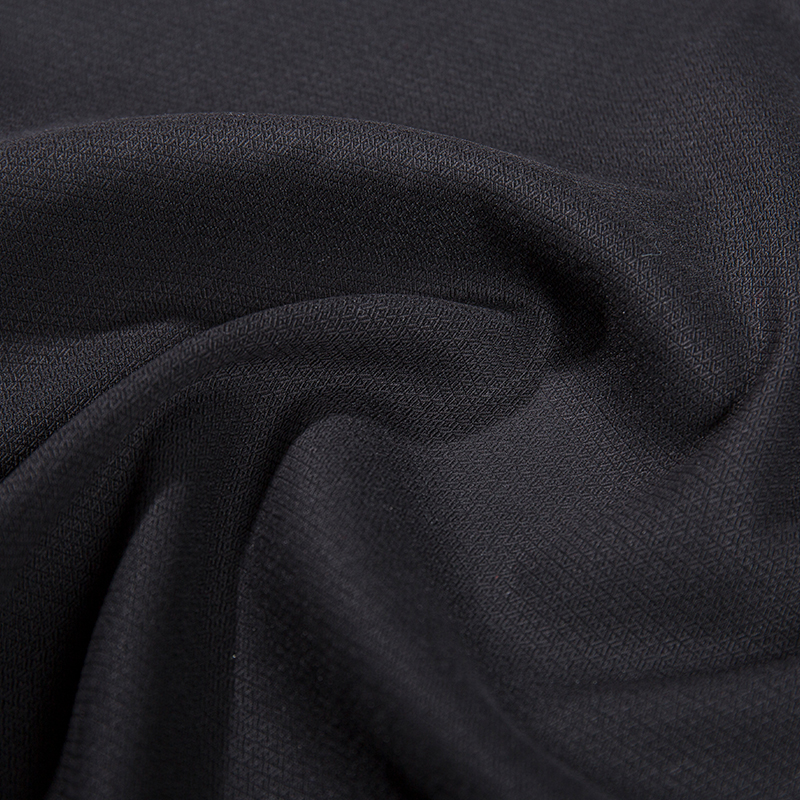
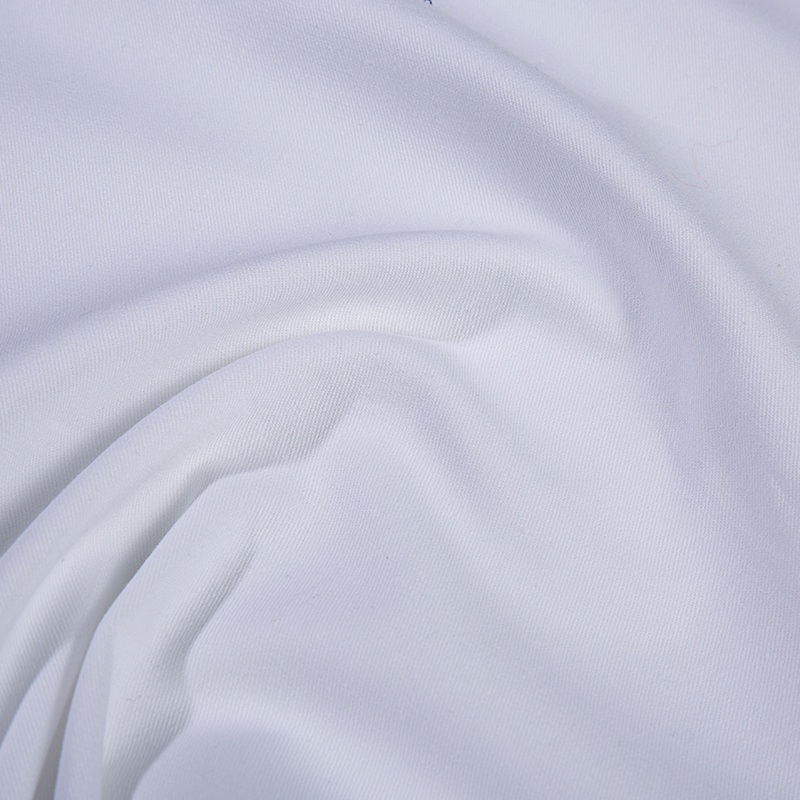
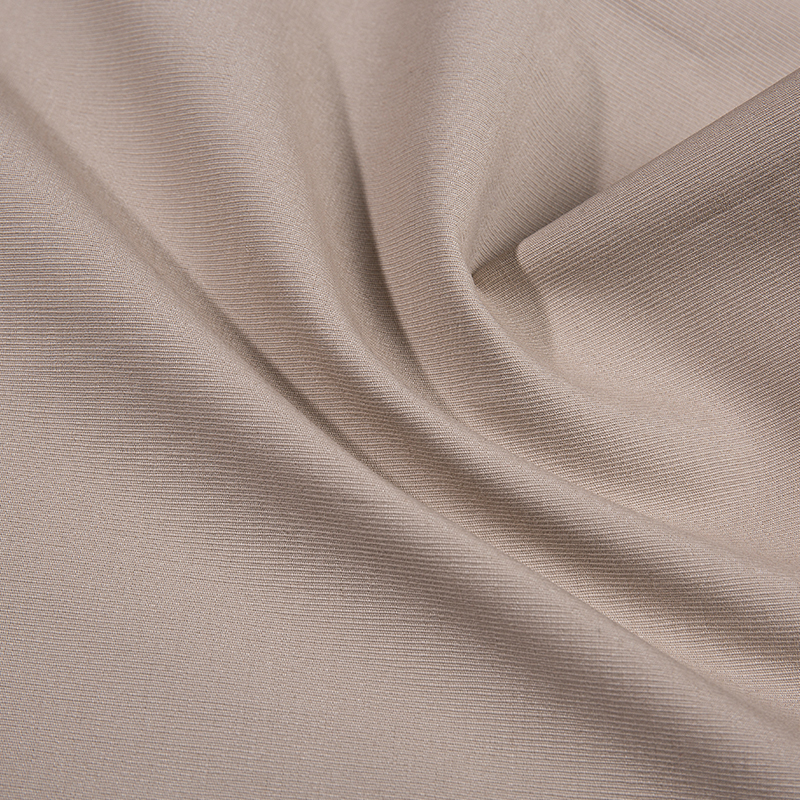
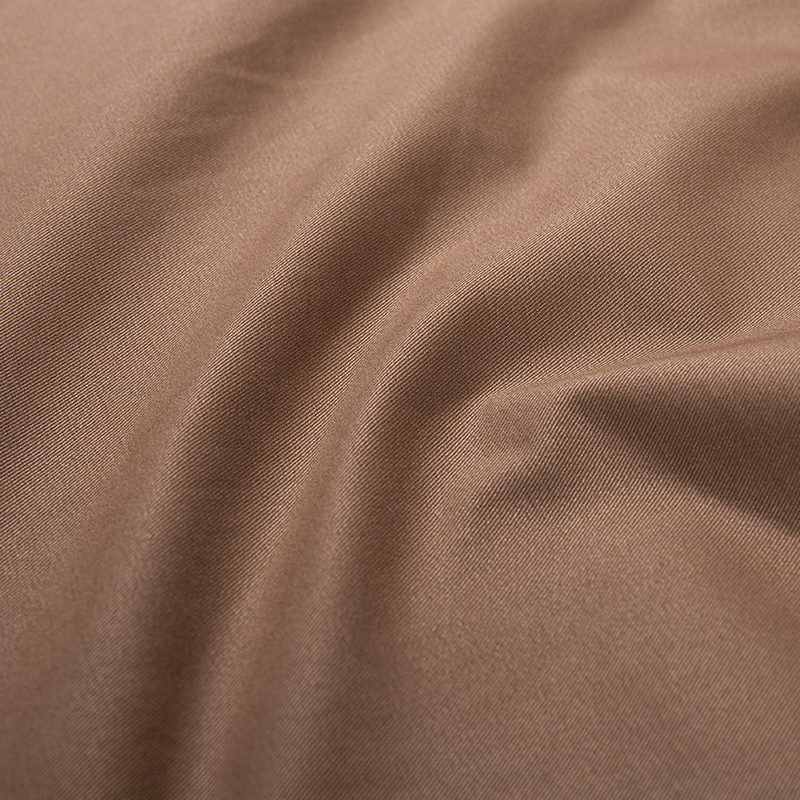
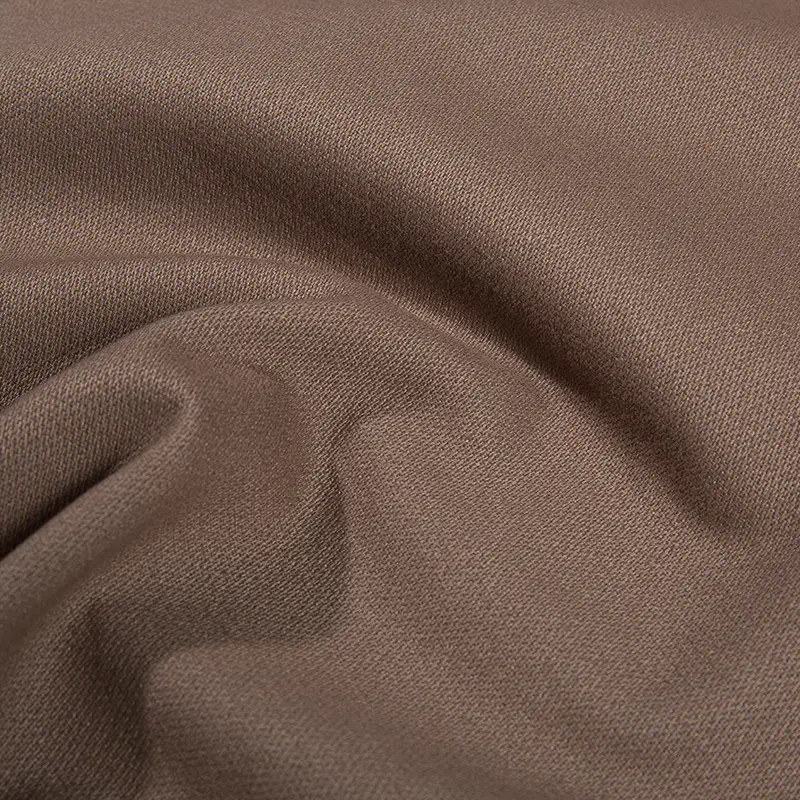
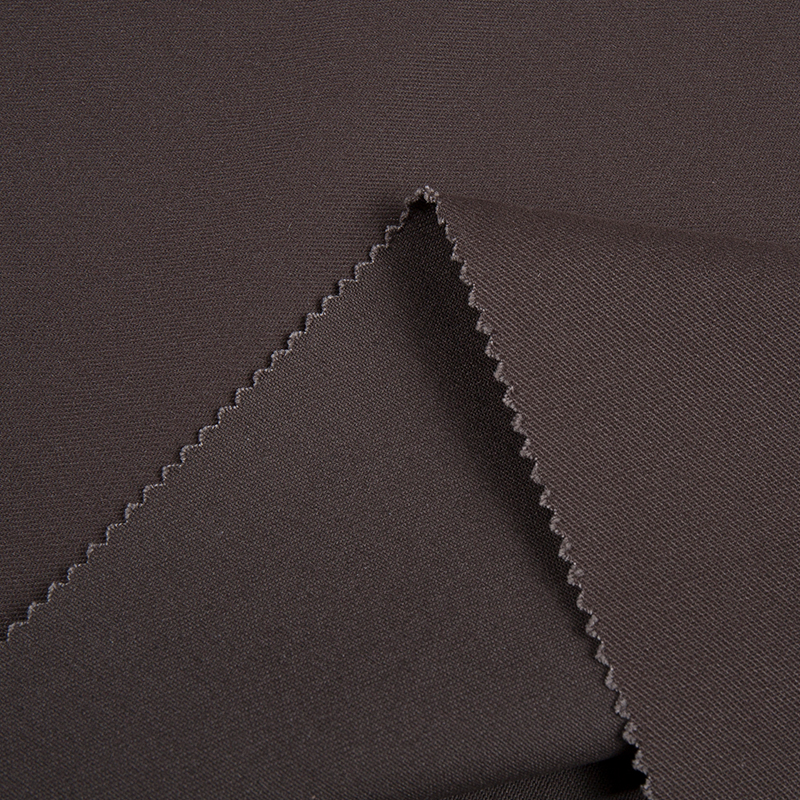
Antimicrobial Outdoor Fabric is not limited to one particular appearance or construction. It can be developed in different patterns, colors, and material combinations to match the design direction of various outdoor furniture collections.
 Add: Beside National Highway 330, Zhuge Town, Lanxi City, Zhejiang Province, China
 Phone: +86-579-89022355


