 EN
EN English
 中文简体
中文简体 Español
 عربى
عربى Indonesia


What Makes the Weave Different
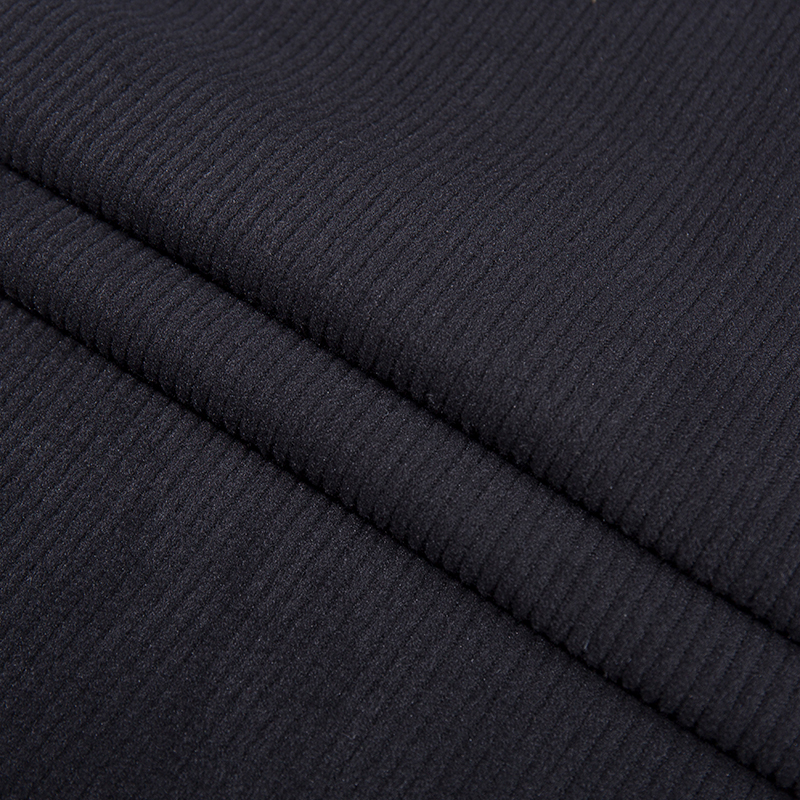
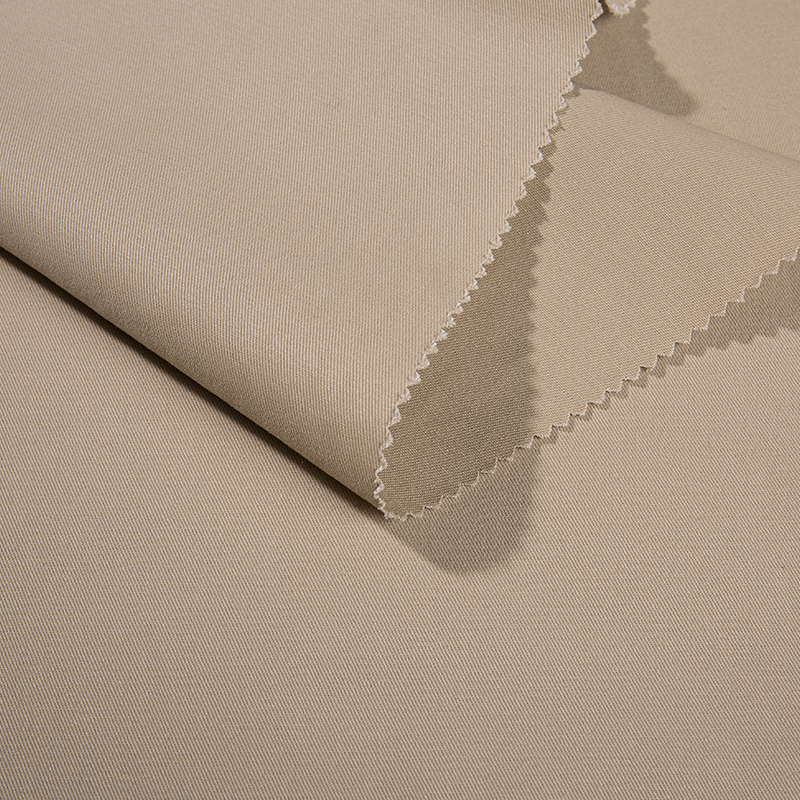
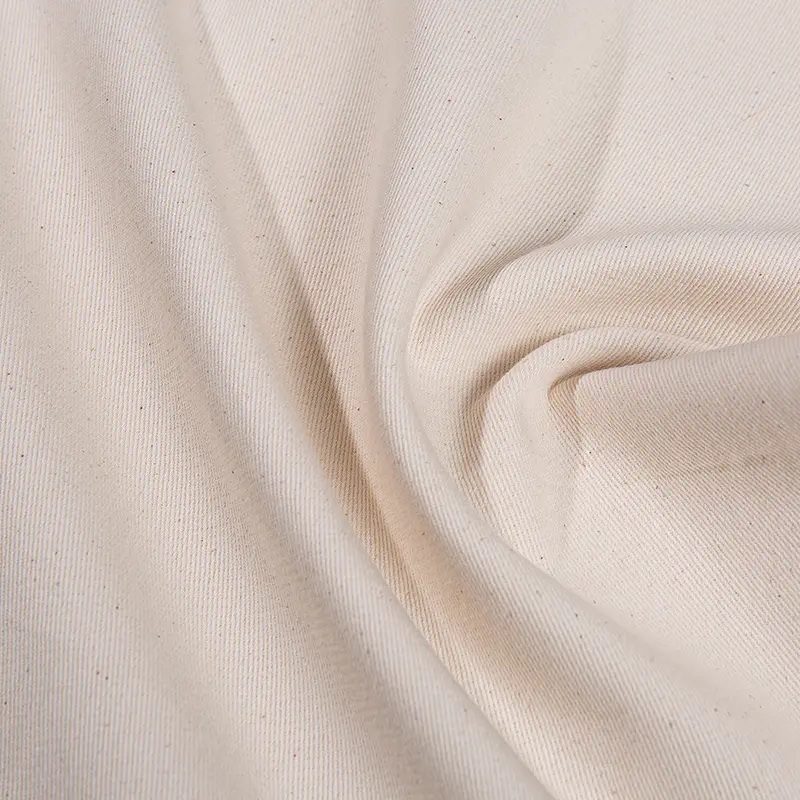
Smooth poplin gets its name from a tight, plain weave structure where the weft yarn is slightly thicker than the warp yarn, creating a fine, ribbed texture that's barely visible to the eye but gives the fabric a bit of body. That construction is part of what makes smooth poplin feel crisp rather than limp, even in lighter weights. The tightness of the weave also limits how much the fabric stretches or distorts during cutting, which matters for factories running high-volume shirt production where pattern consistency across hundreds of pieces needs to stay reliable.
Compared to looser weaves like voile or lawn, smooth poplin holds a crease better and resists wrinkling somewhat more, though it still benefits from basic care during pressing and folding. Buyers sourcing fabric for dress shirts or button-downs often ask about thread count and weight in grams per square meter, since those two numbers together give a fairly accurate picture of how the finished garment will drape and hold up through repeated wear.
Cotton, Blends, and Finish Options
Pure cotton smooth poplin remains a common request, especially for buyers targeting markets where natural fiber content matters to end consumers. But cotton-polyester blends have picked up steady interest too, since they reduce wrinkling and shrinkage while keeping much of the crisp hand-feel that makes poplin recognizable in the place. A blend with a moderate polyester percentage tends to hold color and shape through repeated washing better than 100 percent cotton, which appeals to buyers supplying workwear or school uniform programs where garments go through frequent laundering.
Finishing treatments also come up in sourcing conversations around smooth poplin. Mercerized finishes give the fabric a subtle sheen and improve how well it accepts dye, resulting in richer, more even coloring across a printed or solid-dyed batch. Some buyers request a peached or brushed finish instead, which softens the hand-feel slightly for garments meant to sit closer to the skin, like casual shirts or lightweight dresses.
Printing and Dyeing Behavior
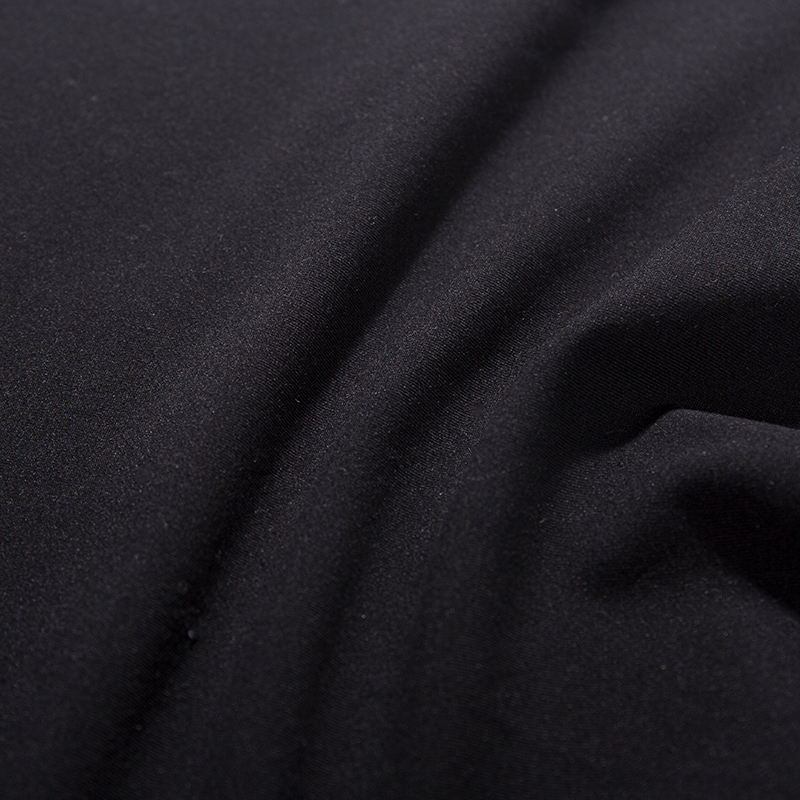
One reason smooth poplin shows up so often in fashion and uniform production is how evenly it takes both dye and print. The tight weave gives ink or dye less surface texture to work around, so patterns come out sharp and colors stay consistent from one roll to the next. Buyers producing printed shirts, scarves, or lightweight dresses frequently specify smooth poplin for exactly this reason, since a looser or more textured fabric can blur fine print details or absorb dye unevenly across the surface.
Digital printing in particular benefits from the flat, tight surface smooth poplin offers, since the fabric doesn't wick ink outward the way a more absorbent or textured weave might. This makes it a common choice for buyers running short-run custom print orders where precise pattern reproduction matters more than bulk fabric weight.
Sourcing Considerations for Bulk Orders
Buyers placing bulk orders for smooth poplin typically ask about roll width, weight consistency across dye lots, and order quantities tied to specific colorways. Weight consistency matters quite a bit for garment manufacturers, since even small variations between fabric batches can shift how a finished shirt or dress fits and drapes once it's cut and sewn.
Color matching across dye lots is another recurring topic, particularly for buyers running large uniform or corporate apparel programs where consistent branding colors need to hold steady across repeat orders placed months apart. Suppliers who can maintain tight tolerances on both weight and color tend to become repeat sourcing partners for buyers managing ongoing production runs rather than one-off orders.
 Add: Beside National Highway 330, Zhuge Town, Lanxi City, Zhejiang Province, China
 Phone: +86-579-89022355

