 EN
EN English
 中文简体
中文简体 Español
 عربى
عربى Indonesia


Production Processes in Weaving Factories
Weaving factories organize production into sequential stages that begin with yarn preparation. Warping aligns thousands of threads into beams, while sizing adds strength to withstand tension. Looms then interlace the warp and weft yarns according to specified patterns.
Automated systems manage speed and tension throughout the process. Cones and bobbins feed material continuously, allowing long runs of fabric to form. Inspection stations check for defects as rolls emerge from the looms, supporting consistent output in the manufacturing flow.
Technical Machinery and Equipment
Older shuttle looms had their place, but modern weaving factories have largely moved on. Shuttleless systems — rapier, air-jet, water-jet — run faster and handle weft insertion with less mechanical bulk than their predecessors. Each system has its strengths depending on the yarn type and fabric being produced, but all three cut down on the moving parts that used to slow things down and require constant attention.
The monitoring side has changed just as much as the mechanical side. Computerized interfaces track loom performance in real time and log production data that operators can actually use — not just collect. When something drifts out of spec, the system flags it rather than letting a quality problem run for a shift before anyone notices. Jacquard attachments take things further, controlling individual warp threads to build complex patterns that would have required entirely separate specialist equipment a generation ago.
Advantages in Manufacturing Techniques
Weaving factories gain from integrated systems that link preparation, weaving, and finishing areas. Modular machine layouts allow adjustments for different fabric widths and densities. Energy-efficient motors and automated lubrication support steady operation over extended periods.
Technical advantages include quick changeovers between patterns through digital programming. Quality sensors detect variations in real time, enabling corrections during production. This setup helps maintain uniformity across large batches of woven material.
Material Usage and Fabric Formation
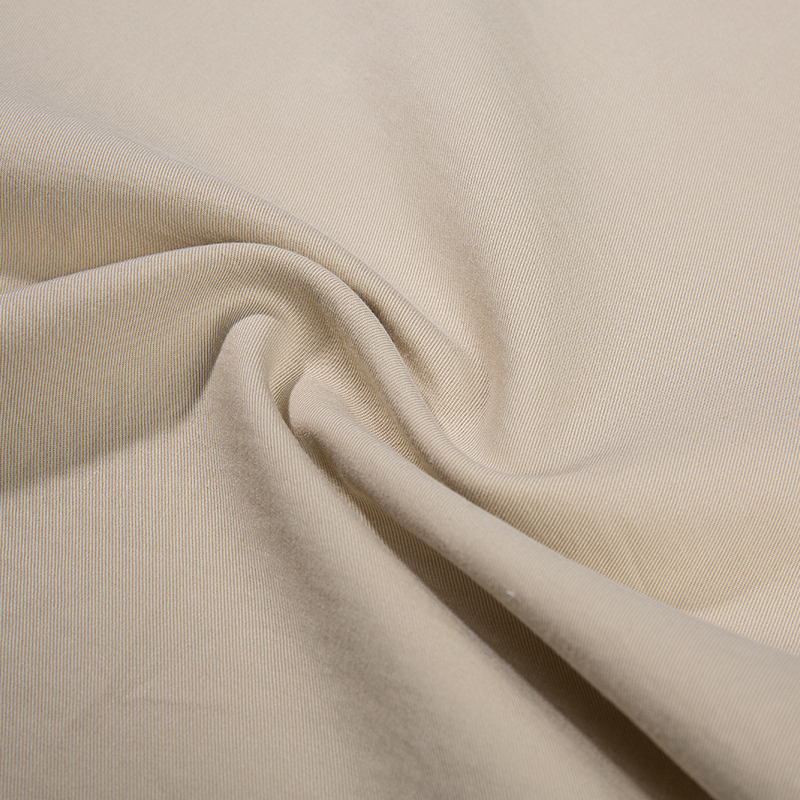
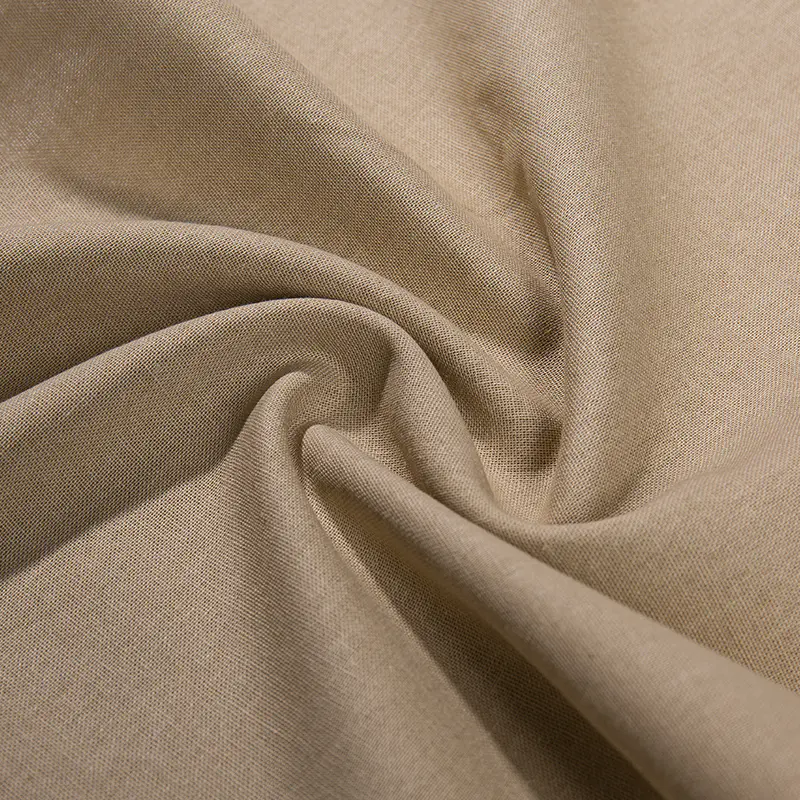
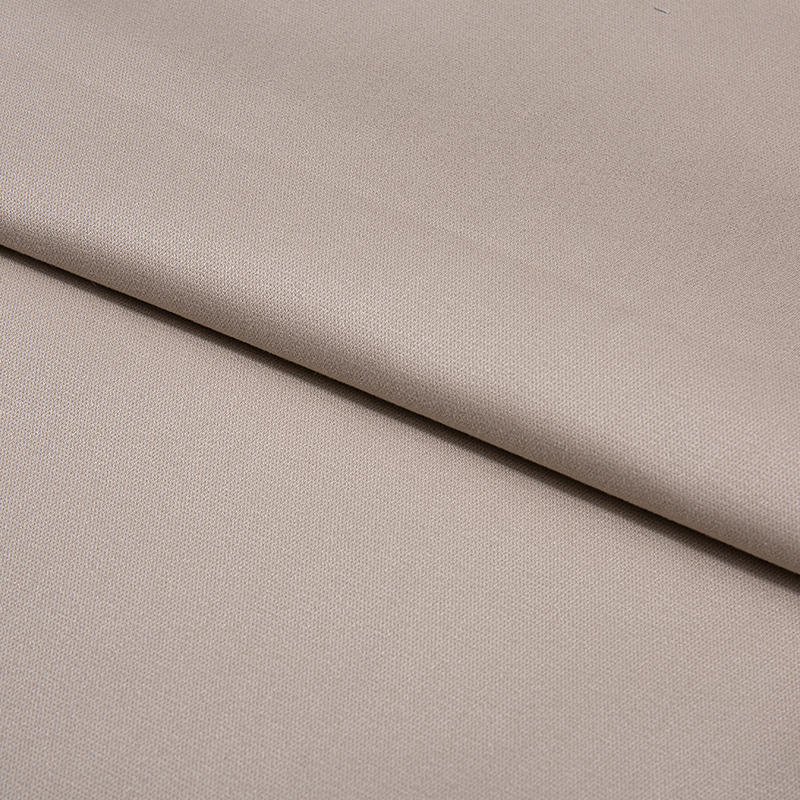
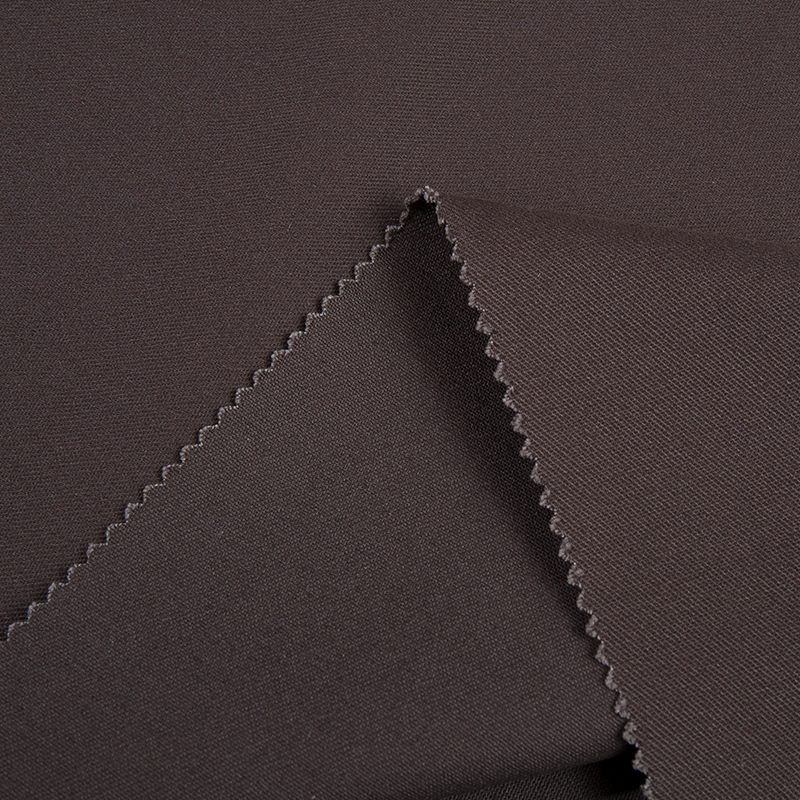
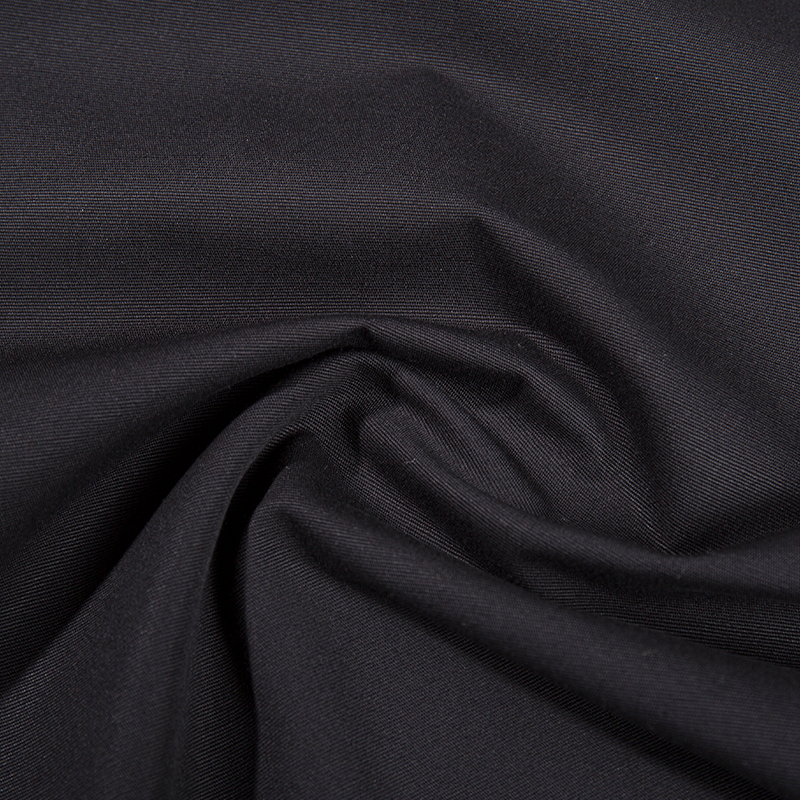
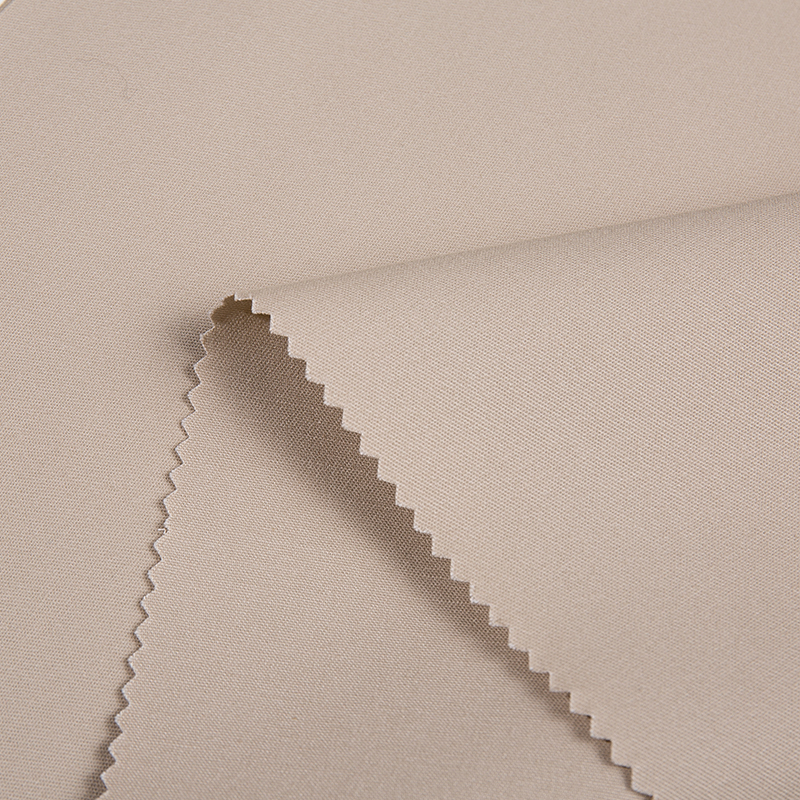
Cotton, polyester, wool, plain blends — weaving factories take whatever yarn the order calls for and run it through machinery that controls how tightly the threads pack together. That thread density is what decides the fabric's weight and how it feels when it comes off the loom. Most factories are running several production lines at the same time, each dialed into a different specification, which means the floor is handling multiple fabric constructions simultaneously without one affecting the other.
The yarn choice shapes what the finished fabric can actually do. A loosely spun cotton gives you drape and breathability; a tightly twisted polyester gives you something that holds its shape and takes punishment. Weaving technique plays into this too — a tight weave builds the kind of structure that industrial fabrics need to handle load and abrasion, while a looser construction lets air move through and keeps the weight down for lighter end uses.
Integration and Workflow in Weaving Facilities
Weaving factories coordinate departments to streamline manufacturing. Dyeing or printing stations may follow weaving in integrated setups, while separate lines focus solely on grey fabric production. Conveyor systems and automated guided vehicles move materials between stages efficiently.
Shift scheduling and machine allocation optimize throughput in the facility. Technical teams oversee calibration and programming to align with production targets. This coordination supports the volume requirements of downstream textile operations.
Weaving factories continue to serve textile manufacturing through their focus on production methods and technical capabilities. The combination of machinery, processes, and material handling contributes to the creation of woven fabrics in consistent volumes. Their role remains central in turning raw yarns into usable textile products through established manufacturing practices.
 Add: Beside National Highway 330, Zhuge Town, Lanxi City, Zhejiang Province, China
 Phone: +86-579-89022355

