 EN
EN English
 中文简体
中文简体 Español
 عربى
عربى Indonesia


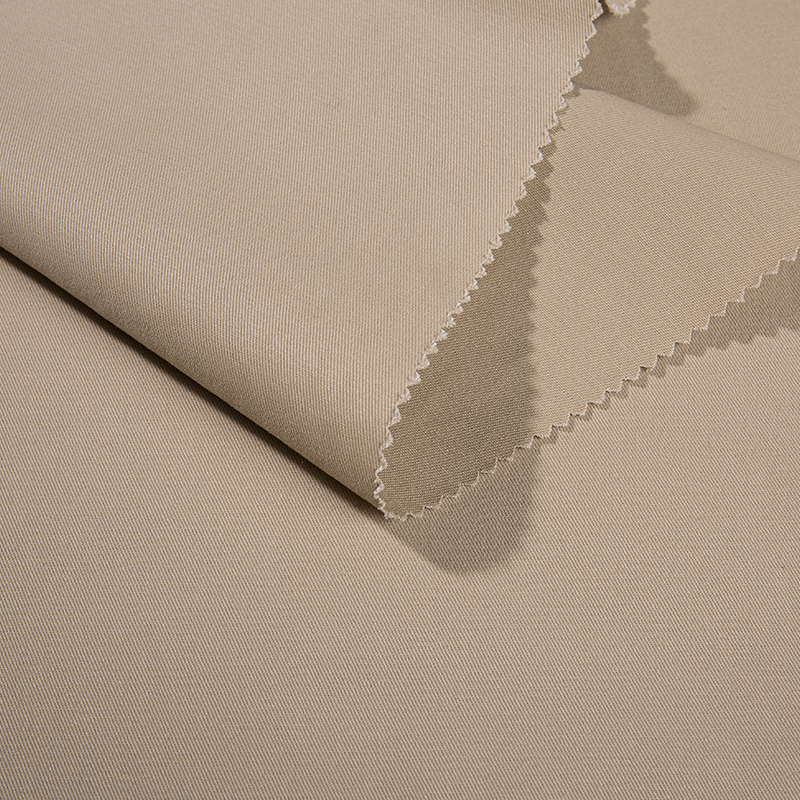
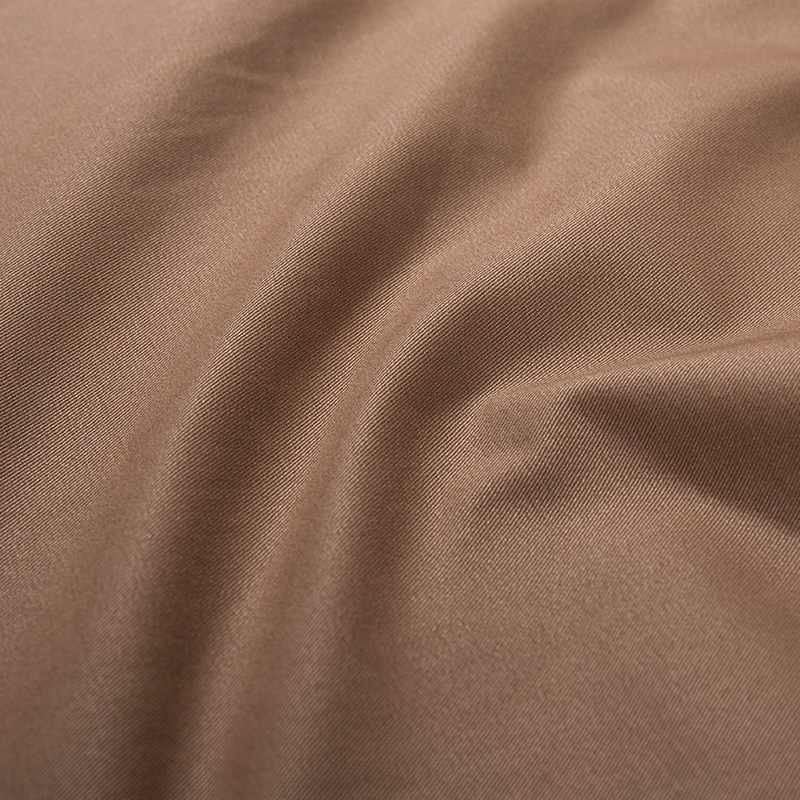
UV protection fabric has become a widely specified material in apparel, outdoor equipment, and architectural applications as awareness of ultraviolet radiation exposure continues to grow among consumers and industry buyers alike. Unlike standard textiles that offer incidental sun blocking based on weave density and color, UV protection fabric is engineered or treated specifically to absorb or reflect ultraviolet radiation before it reaches the skin or the surface beneath. Understanding the construction, performance measurement, and application range of this fabric category helps buyers and manufacturers make informed material selections.
Ultraviolet radiation from the sun falls into two primary bands relevant to fabric performance: UVA, which penetrates deeply and contributes to long-term skin damage, and UVB, which causes surface burning. A fabric's ability to block both bands is measured by the Ultraviolet Protection Factor, or UPF, rating system. UPF indicates how much UV radiation passes through the fabric to reach the skin. A fabric rated UPF 50, for example, allows approximately 1/50th of incident UV radiation to pass through, blocking around 98 percent of UVA and UVB rays. UPF ratings are the standard metric used across the apparel and technical textile industries to communicate UV blocking performance.
Several factors in fabric construction influence UV protection performance:
- Fiber type: Polyester and nylon fibers naturally absorb a greater proportion of UV radiation compared to untreated cotton or rayon. Polyester in particular has molecular properties that contribute to inherent UV absorption, making it a common base material for UV protection fabrics.
- Weave or knit density: Tighter weave structures with smaller gaps between yarns reduce the amount of UV radiation that can pass directly through the fabric. Open-weave or loosely knit fabrics allow more radiation to transmit, regardless of fiber type.
- Fabric weight and thickness: Heavier fabrics with greater yarn coverage generally provide stronger UV blocking. Lightweight performance fabrics used in activewear require additional UV-blocking treatments or fiber modifications to compensate for lower physical mass.
- Color: Darker and more saturated colors tend to absorb more UV radiation than light or pale shades. However, with UV-treated or UV-blocking fiber constructions, color becomes a secondary factor compared to material composition and weave structure.
- UV-absorbing additives and treatments: Many UV protection fabrics incorporate chemical UV absorbers either into the fiber during extrusion or applied to the finished fabric surface. These additives capture UV energy and convert it to heat rather than allowing it to pass through to the skin.
UV protection fabric is used across a broad range of product categories. In apparel, it appears in sun shirts, rash guards, swimwear, outdoor workwear, hats, and arm sleeves designed for extended sun exposure. Sportswear brands, outdoor recreation companies, and workwear suppliers all specify UV protection fabrics for products intended for use in high-sun environments such as water sports, hiking, construction, and agricultural work.
The performance of UV protection fabric can be affected by wear, washing, and physical stress over time. Fabrics that rely solely on tight weave construction for UV blocking may lose some protection if the fabric stretches or wears thin. Fabrics with UV absorbers incorporated into the fiber structure tend to retain their rating more consistently across extended use compared to surface-applied treatments that can diminish with repeated washing.
Manufacturers sourcing UV protection fabric typically evaluate UPF rating, fiber composition, fabric weight, stretch properties, moisture management performance, and durability alongside UV blocking capability, since applications require the fabric to perform across multiple functional requirements simultaneously.
 Add: Beside National Highway 330, Zhuge Town, Lanxi City, Zhejiang Province, China
 Phone: +86-579-89022355

