 EN
 English
 中文简体
 Español
 عربى
 Indonesia


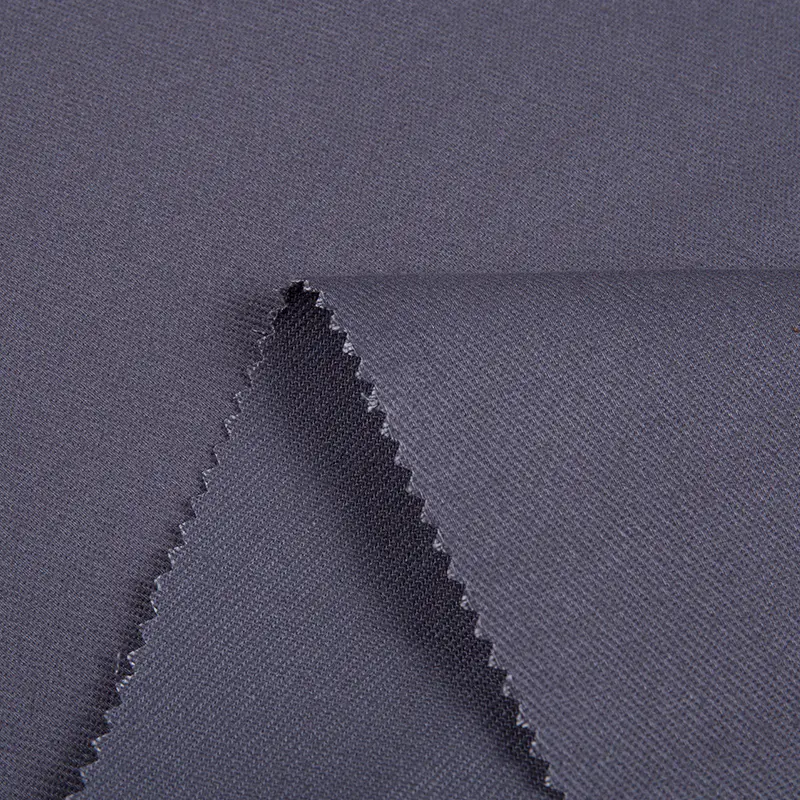
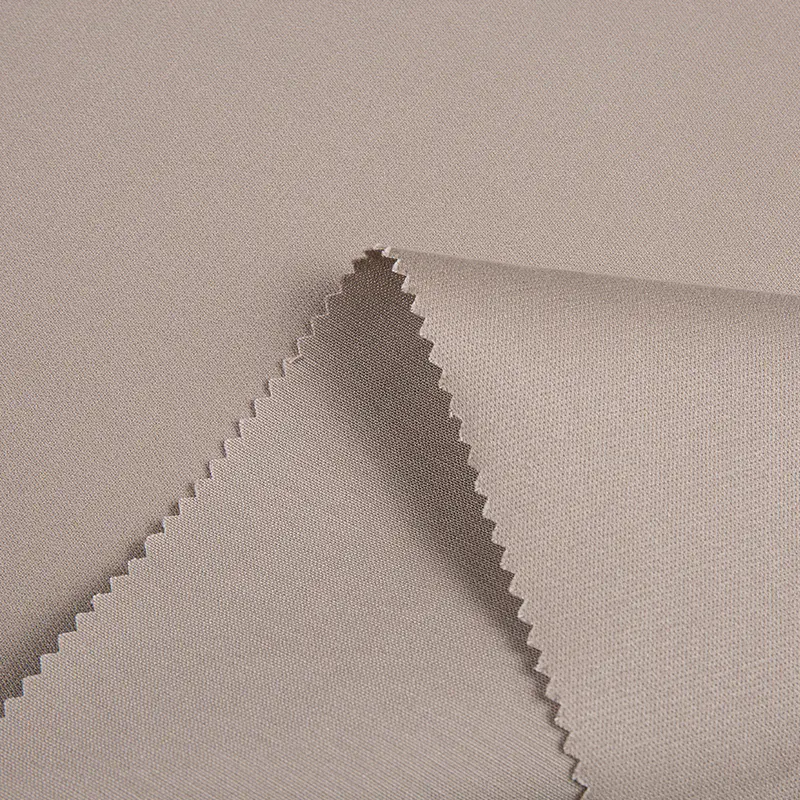
Textile materials used in industrial and commercial environments often need to perform beyond basic covering and decoration. In workplaces, public facilities, transportation interiors, and specialized equipment, fabric may come into contact with heat sources or potential ignition risks. This creates demand for materials that combine practical textile properties with flame-resistant performance. Flame Retardant Fabric has become an important material category for manufacturers and B2B suppliers serving these applications.
What Makes Flame Retardant Fabric Different?
Flame resistance refers to a fabric's ability to resist ignition, slow flame spread, or limit continued burning under specific conditions. Its performance depends on the fiber composition, chemical treatment, fabric construction, and intended application.
Unlike ordinary textile materials, Flame Retardant Fabric can be produced using inherently flame-resistant fibers or conventional fibers treated with flame-retardant compounds. These two approaches create different material characteristics.
Inherent flame resistance comes from the properties of the fiber itself. The flame-resistant characteristics are integrated into the fiber structure during production. Treated fabrics, on the other hand, receive specialized chemical treatments during textile processing. This approach allows manufacturers to work with different base materials, including cotton, polyester, and blended fabrics.
The choice between these options depends on the required fabric properties, production process, and end-use environment.
How Fabric Structure Influences Performance
Fiber selection is only one part of textile performance. Fabric weight, thickness, weave structure, and surface construction also influence how a material behaves when exposed to heat.
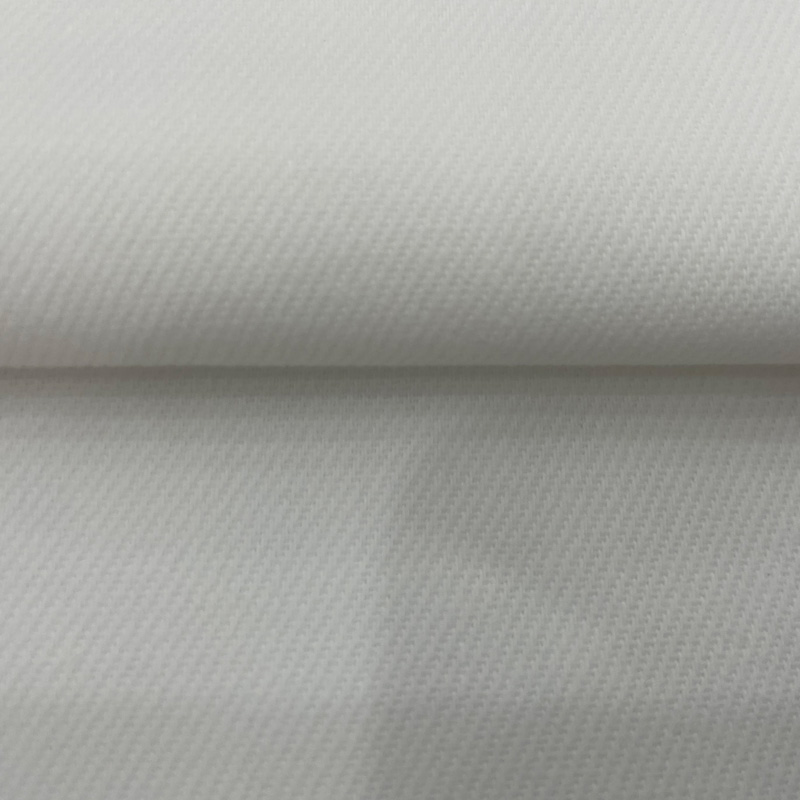
For example, tightly woven fabrics have a different physical structure from knitted textiles. Their density and yarn arrangement affect flexibility, airflow, texture, and the way heat moves across the material.
Manufacturers can adjust these structural characteristics to meet different application requirements. Heavy fabrics may be suitable for protective curtains and industrial covers, while lighter constructions can serve applications where flexibility and ease of installation are important.
Flame Retardant Fabric is therefore not a single standardized textile product. It covers a range of constructions developed for different working environments and functional requirements.
Key Manufacturing Processes Behind Flame-Resistant Textiles
Producing flame-resistant textiles involves several interconnected manufacturing stages. The process generally starts with fiber or yarn selection, followed by fabric formation and any required finishing treatments.
For inherently flame-resistant materials, manufacturers begin with suitable fibers and convert them into yarn before weaving or knitting. The fabric structure is then developed according to the intended application.
For chemically treated textiles, the finishing stage plays an important role. Depending on the material, manufacturers may use coating, dipping, padding, or other finishing techniques to apply flame-retardant compounds. Drying and heat-setting may follow to establish the desired fabric characteristics.
Different production methods can influence the final texture, flexibility, appearance, and functional properties. Manufacturers therefore need to coordinate material selection and processing techniques rather than treating flame resistance as an isolated feature.
The Role of Material Manufacturers
Flame-resistant textile production requires coordination between raw material selection, fabric construction, and finishing processes. Manufacturers with different weaving, knitting, and finishing capabilities can serve different product categories and application requirements.
For international sourcing companies, working with a manufacturer that understands both textile properties and industrial applications can make product development more straightforward. Clear specifications and consistent communication also help reduce misunderstandings when developing customized fabric products.
Conclusion
Flame-resistant textiles combine material science with practical textile manufacturing. From fiber selection and fabric construction to chemical finishing, each production stage influences the final product's characteristics.
As industrial applications vary, Flame Retardant Fabric is available in different weights, structures, compositions, and finishes. Understanding these differences allows overseas buyers, distributors, and manufacturers to identify suitable textile solutions for their respective markets.
 Add: Beside National Highway 330, Zhuge Town, Lanxi City, Zhejiang Province, China
 Phone: +86-579-89022355


