 EN
 English
 中文简体
 Español
 عربى
 Indonesia


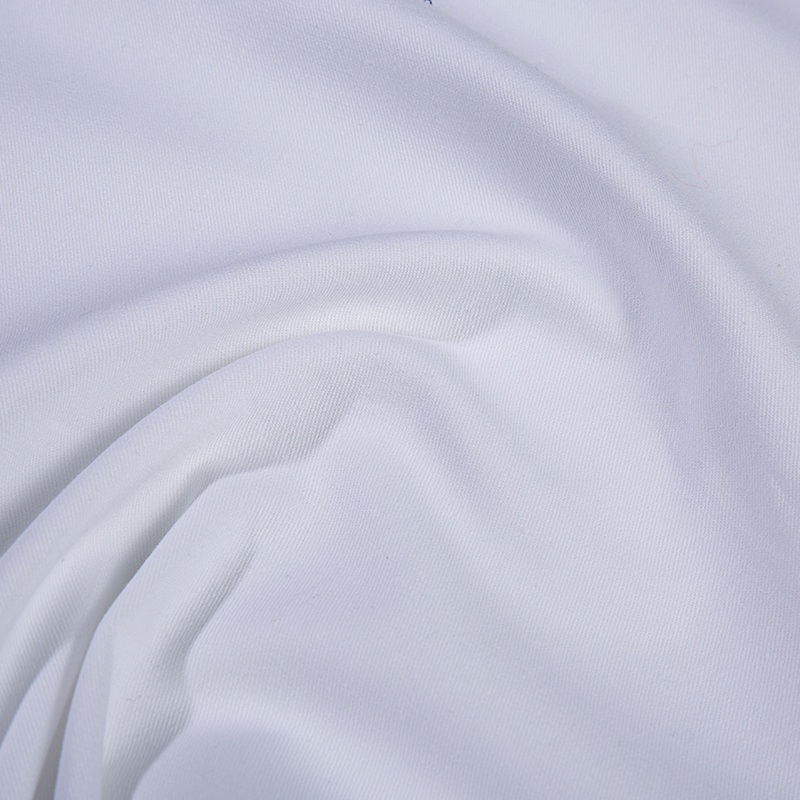
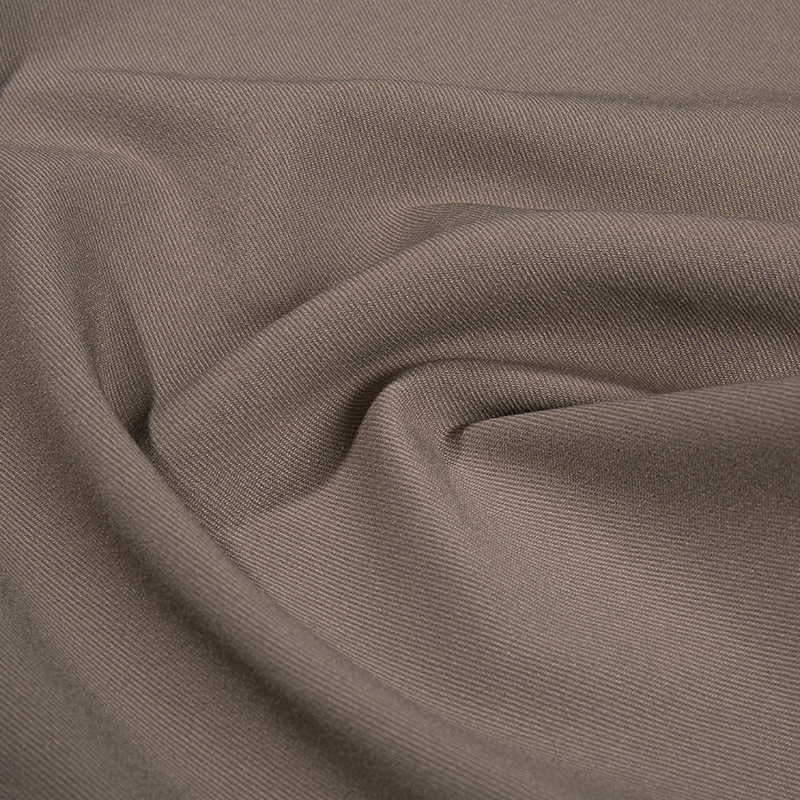
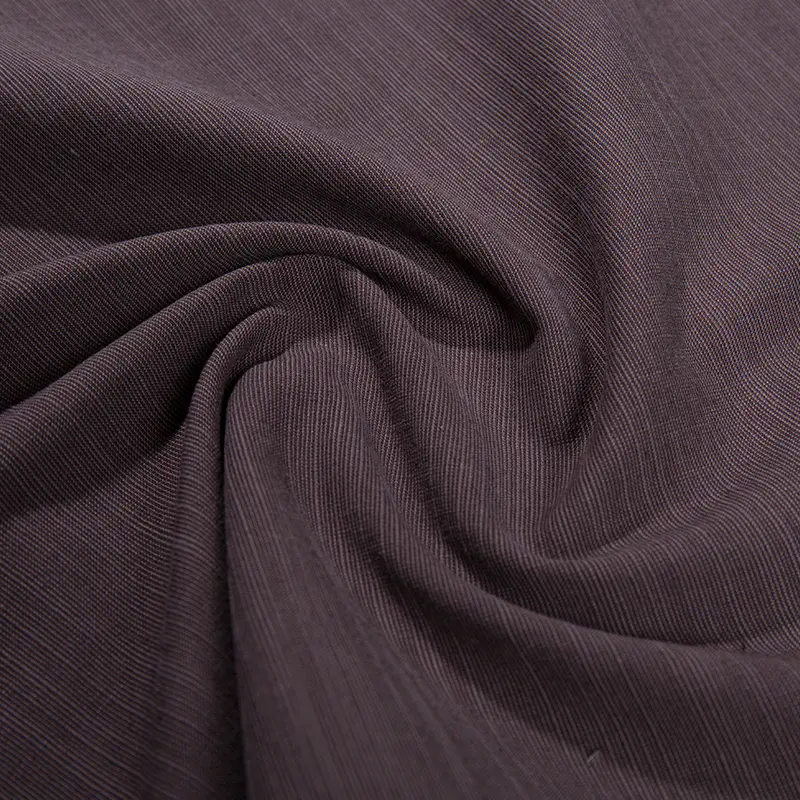
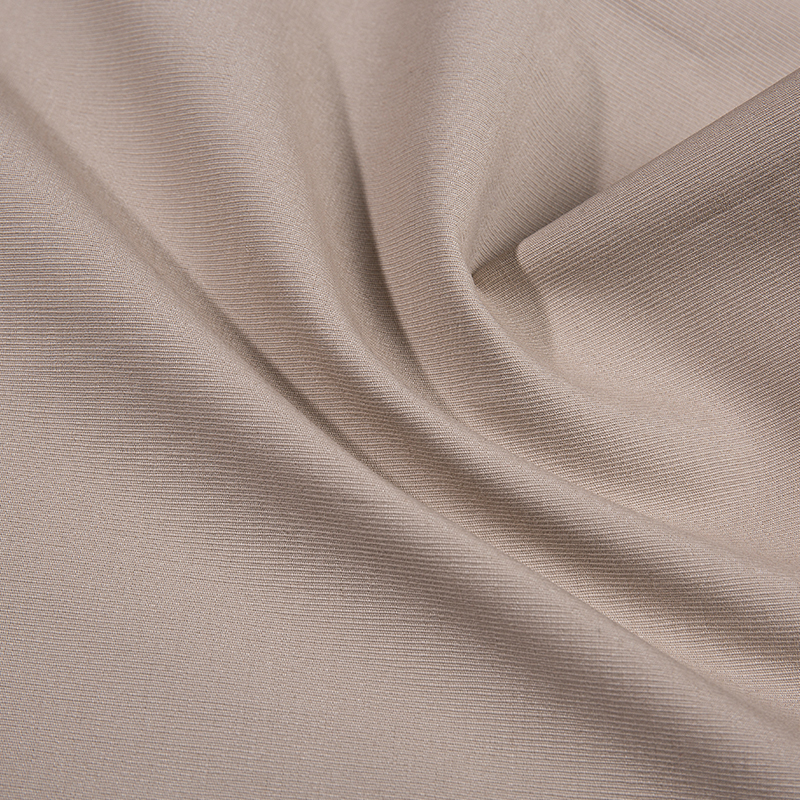
Smooth Poplin remains a widely used fabric in commercial garment manufacturing for shirts, blouses, and light uniform pieces. Overseas buyers who source this material for apparel production lines look for consistent surface character, yarn density, and dyeing behavior. Understanding the weave structure and fiber options helps purchasing teams specify the right version for their cutting and sewing operations.
Weave Structure and Surface Character
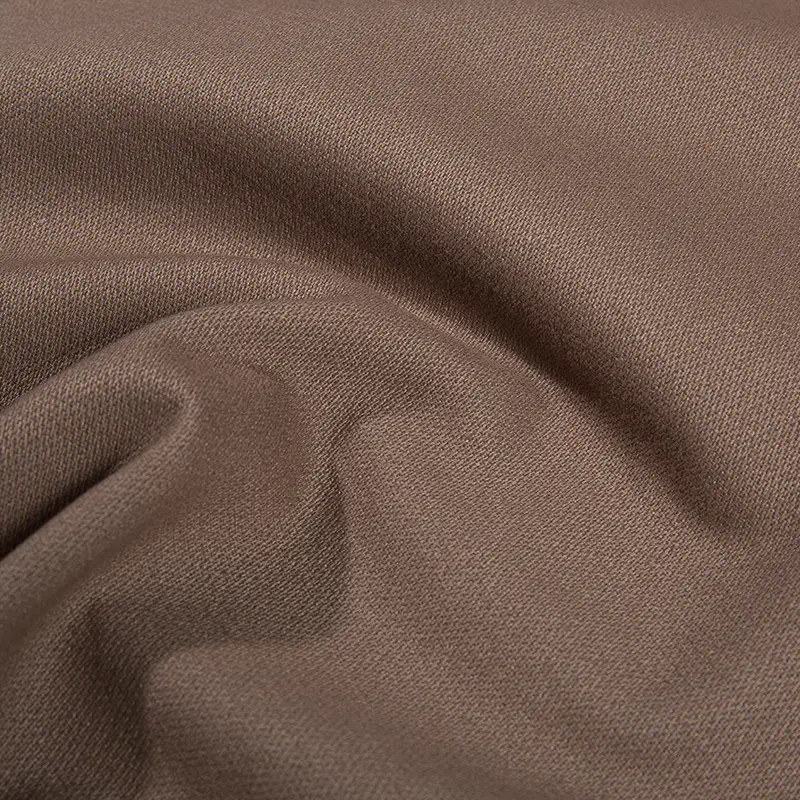
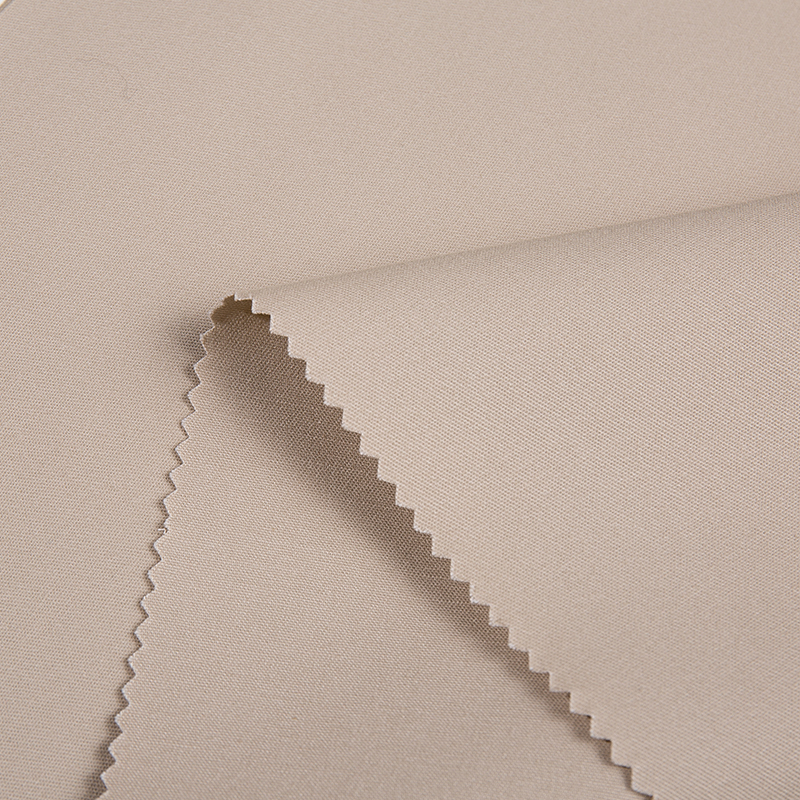
Smooth Poplin is a plain-weave fabric in which the weft yarns pass over and under single warp yarns in a regular pattern. The warp yarns are typically finer and more numerous than the weft yarns, creating a subtle ribbed effect that runs across the width. This construction produces a smooth face with a slight sheen and a firm yet flexible hand. The tight interlacing contributes to dimensional stability during cutting and reduces the tendency of seams to shift under tension.
Yarn counts commonly range from finer numbers that yield a lighter, more fluid cloth to slightly heavier counts that give greater body. The balance between warp and weft density determines how the fabric drapes and how cleanly it accepts pressed creases. A well-balanced Smooth Poplin holds shape in collars and cuffs while remaining comfortable across the torso and sleeves.
Fiber Composition Options
Cotton remains the traditional fiber for Smooth Poplin, valued for its breathability and ability to take color evenly. Many commercial versions blend cotton with polyester to improve wrinkle recovery and reduce shrinkage during repeated laundering cycles. The polyester component also adds tensile strength, which benefits high-speed sewing lines where fabric is pulled through machines under tension.
Some mills offer Smooth Poplin with small percentages of elastane for limited stretch in the weft direction. This addition supports garments that require ease of movement without altering the classic poplin appearance. Fiber choice influences the final weight, opacity, and surface texture, so buyers usually request full composition details and finished fabric weight in grams per square meter before confirming orders.
Performance in Garment Construction
In shirt and blouse production, Smooth Poplin cuts cleanly and holds interlinings without excessive bulk. The smooth face allows fused or sewn interfacings to bond evenly, producing sharp collar points and stable plackets. Buttonholes form with neat edges, and topstitching sits flat against the surface. These characteristics support consistent appearance across large production runs.
For uniform and workwear lines, the fabric's firm hand helps garments maintain a neat outline through a full shift. The tight weave limits dust penetration in light industrial settings while still permitting air circulation. When printed or piece-dyed, Smooth Poplin accepts both reactive and pigment systems, giving designers flexibility in pattern placement and solid-color matching.
Applications Across Apparel Categories
Shirt manufacturers use Smooth Poplin for business and casual styles where a clean collar and smooth front are required. Blouse producers select lighter weights for softer drape while retaining enough body for structured details. Uniform suppliers apply the fabric to hospitality, healthcare, and administrative garments that need a professional appearance combined with reasonable comfort during extended wear.
In each case the fabric's balanced construction supports efficient marker making and high utilization rates. The consistent width and low distortion reduce the need for frequent pattern adjustments on the production floor. Factories that weave Smooth Poplin can adjust yarn counts, blend ratios, and finishing sequences to meet different end-use requirements while keeping the characteristic smooth surface intact.
 Add: Beside National Highway 330, Zhuge Town, Lanxi City, Zhejiang Province, China
 Phone: +86-579-89022355


