 EN
EN English
 中文简体
中文简体 Español
 عربى
عربى Indonesia


The textile industry continues evolving with lady fabric emerging as a dynamic category serving the diverse needs of women's apparel manufacturers and fashion designers worldwide. This specialized textile segment encompasses woven, knitted, and printed materials specifically developed for garments including dresses, blouses, skirts, and traditional attire. The growing sophistication of lady fabric offerings reflects changing consumer preferences for comfort, durability, and aesthetic appeal in women's clothing.
Fashion designers increasingly rely on quality lady fabric to translate creative visions into wearable garments that satisfy consumer expectations. The selection of appropriate lady fabric determines not only garment appearance but also drape, breathability, and comfort characteristics that influence customer satisfaction and repeat purchases. Designers consider fiber content, weave structure, weight, and finish when specifying lady fabric for particular applications and seasonal collections.
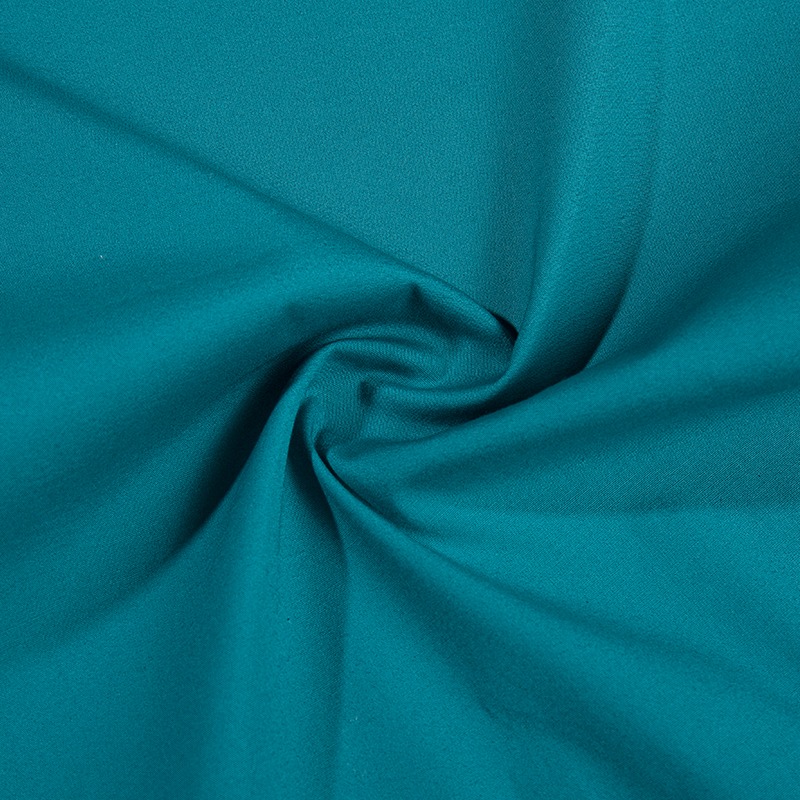
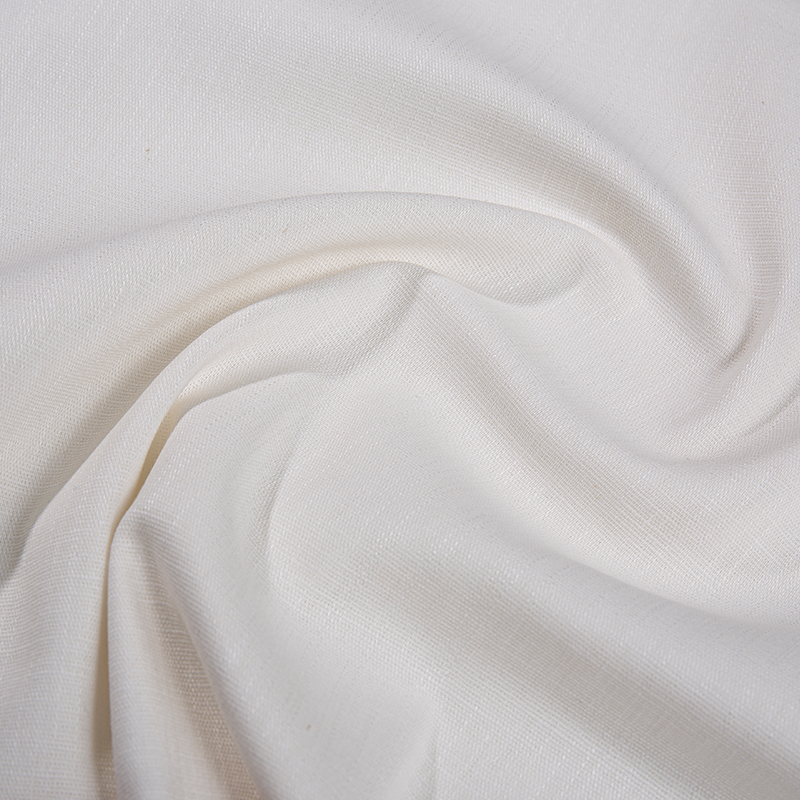
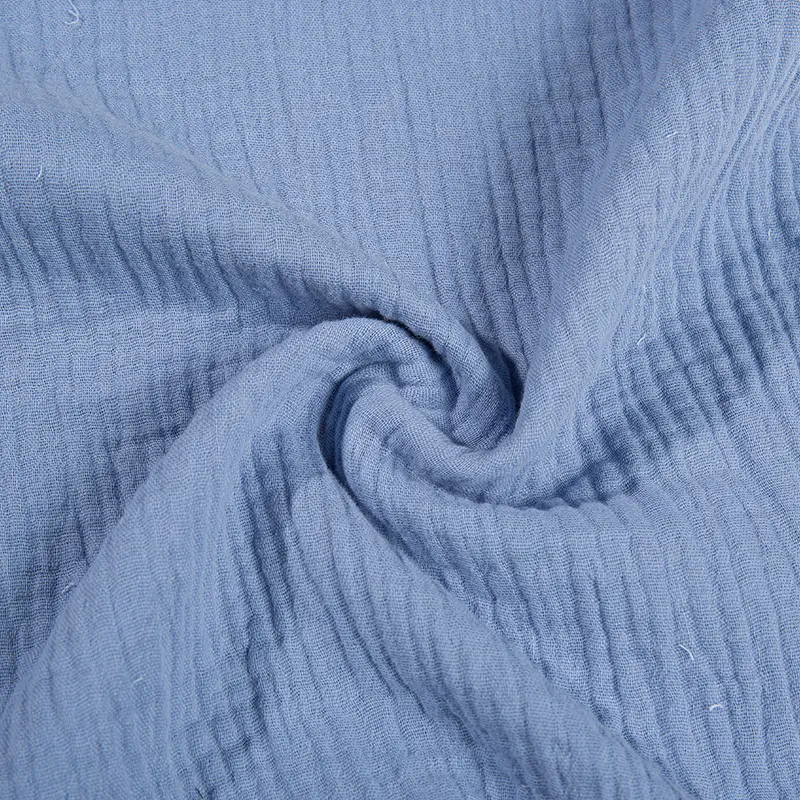
Natural fiber lady fabric varieties including cotton, silk, linen, and wool maintain strong market positions among consumers valuing breathability and traditional aesthetics. Cotton lady fabric remains popular for everyday wear due to comfort and ease of care, while silk lady fabric commands premium positioning for luxury and special occasion garments requiring elegant drape and luster. The natural fiber segment continues innovating through improved finishing treatments enhancing performance characteristics.
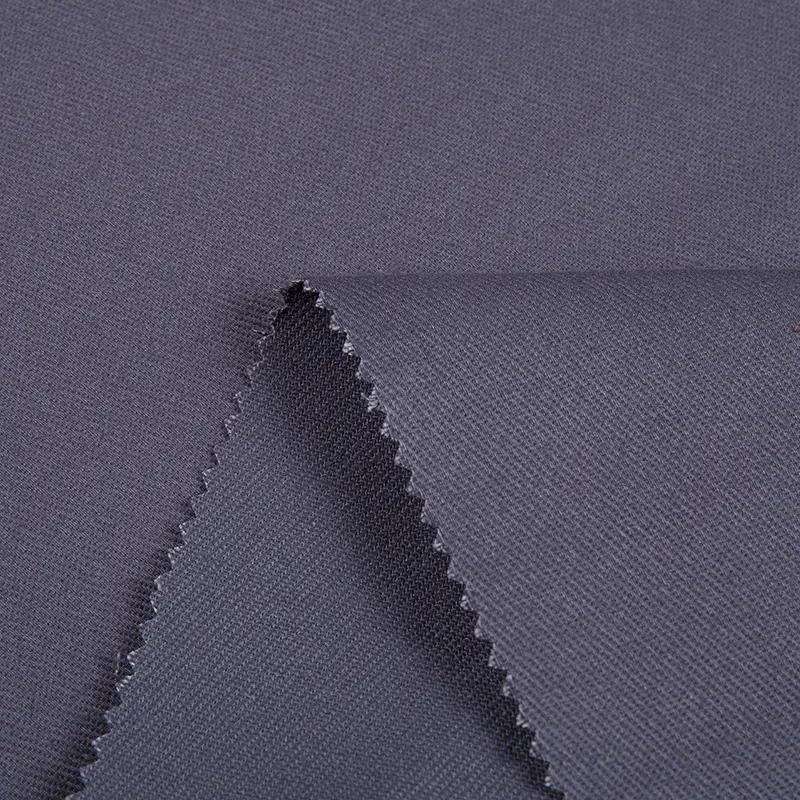
Synthetic and blended lady fabric options have gained substantial market share through technological advancements addressing historical limitations. Modern polyester lady fabric bears little resemblance to early versions, offering softness, breathability, and moisture management approaching natural fiber performance. Blended lady fabric combining natural and synthetic fibers optimizes properties for specific applications, balancing comfort with wrinkle resistance and durability.
Printed lady fabric represents a vibrant market segment where design creativity directly influences consumer appeal. Digital printing technology has revolutionized this category, enabling intricate patterns, photographic images, and unlimited color combinations at accessible price points. Fashion-forward consumers seek distinctive printed lady fabric allowing personal style expression through unique garments not available in mass-market retail.
Seasonal trends drive lady fabric purchasing patterns throughout the year. Spring and summer collections emphasize lightweight lady fabric in bright colors and floral patterns suitable for warm weather. Autumn and winter demand shifts toward heavier lady fabric in richer hues and textured weaves providing warmth and sophisticated appearance. Lady fabric producers must anticipate these seasonal shifts and maintain appropriate inventory to serve customer needs.
Traditional and cultural garments generate sustained demand for specialized lady fabric preserving heritage techniques and patterns. Sarees, kimonos, hanboks, and other traditional attire require lady fabric with specific characteristics developed over generations. Artisanal production methods including hand-weaving, block printing, and natural dyeing maintain relevance alongside industrial manufacturing, serving consumers valuing authenticity and craftsmanship.
Sustainable lady fabric has emerged as a significant market segment driven by environmentally conscious consumers seeking reduced ecological impact. Organic cotton, Tencel, recycled polyester, and naturally colored cottons offer alternatives to conventional materials. Lady fabric producers investing in sustainable certifications and transparent supply chains attract growing customer segments prioritizing environmental responsibility alongside quality and appearance.
The lady fabric industry continues innovating through fiber development, finishing technology, and design capabilities serving evolving consumer preferences. As women seek clothing combining style, comfort, and values alignment, lady fabric producers adapting to these changing requirements maintain competitive positions in this dynamic global market serving half the world's population.
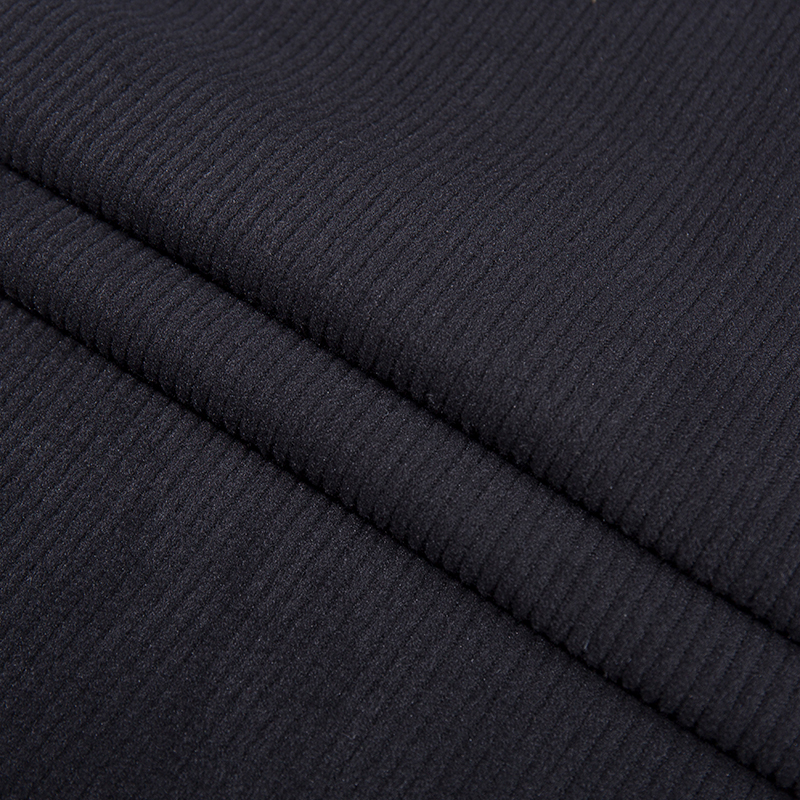
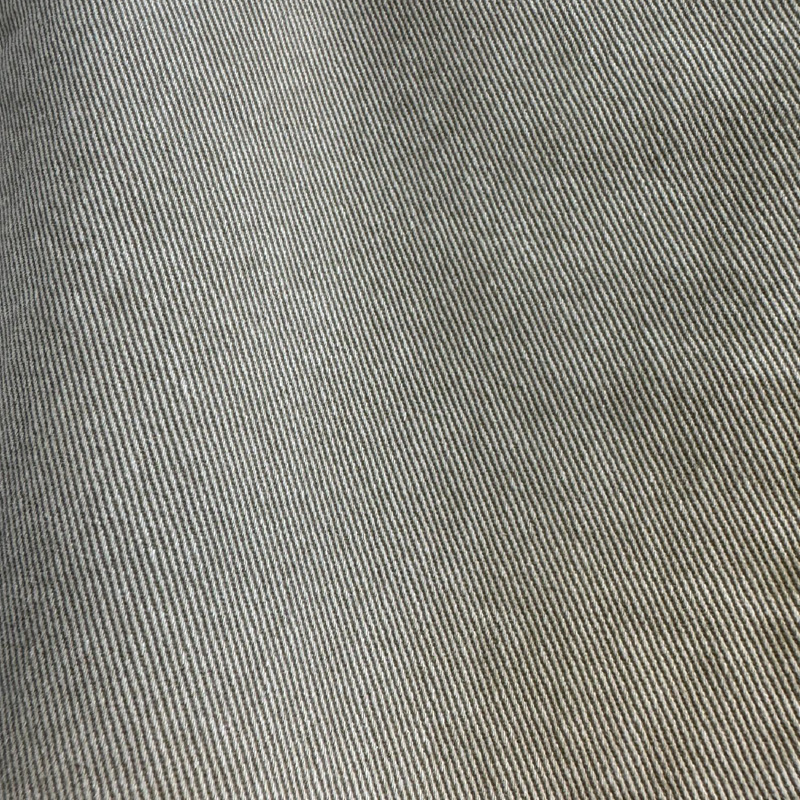
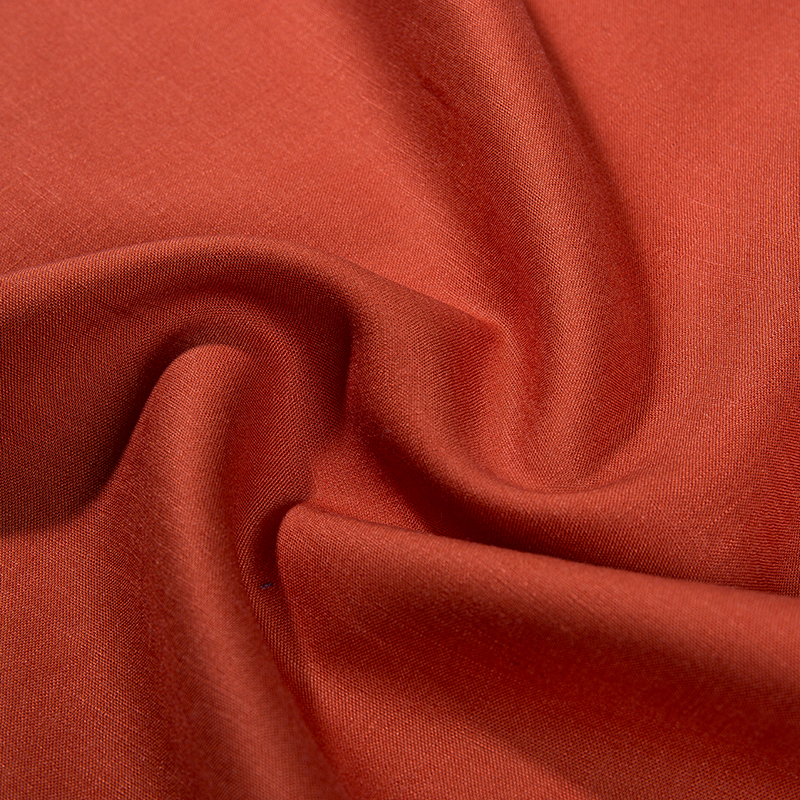
 Add: Beside National Highway 330, Zhuge Town, Lanxi City, Zhejiang Province, China
 Phone: +86-579-89022355

