 EN
EN English
 中文简体
中文简体 Español
 عربى
عربى Indonesia


The role of the cotton fabric manufacturer remains central to the global textile industry, a foundational link in the chain that transforms raw agricultural fiber into the versatile materials used for apparel, home goods, and industrial products. Operating in a landscape shaped by shifting consumer preferences, sustainability imperatives, and international trade dynamics, the modern cotton fabric manufacturer must balance traditional expertise with innovation to maintain relevance and competitiveness.
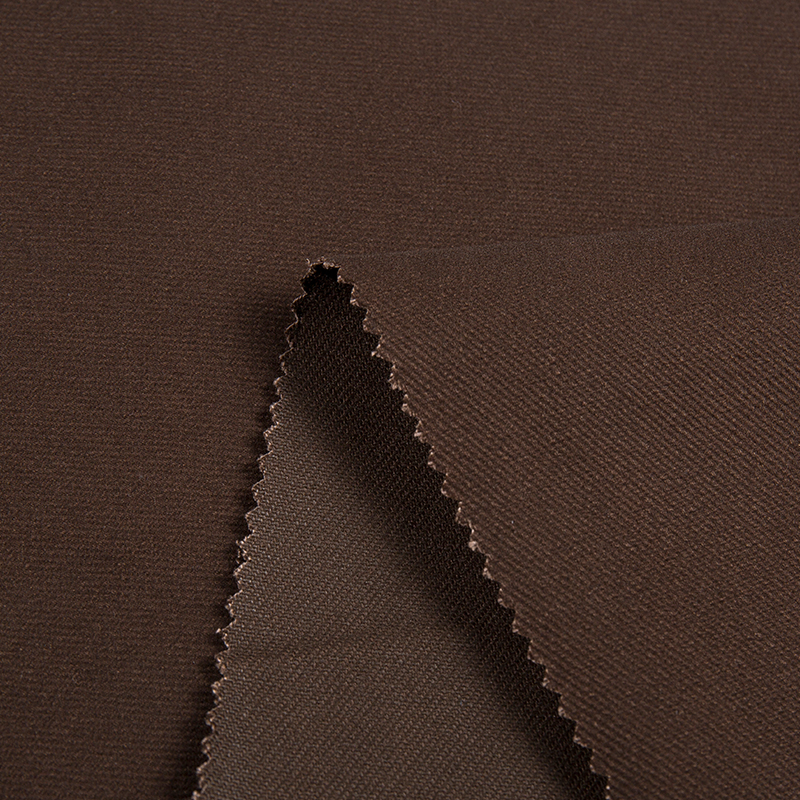
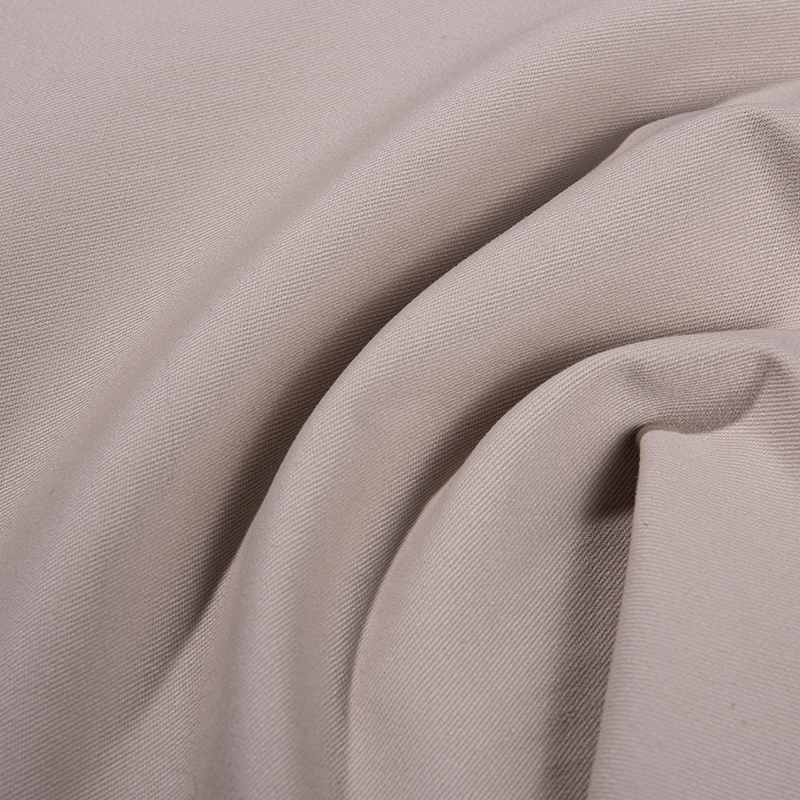
At its core, the operation of a cotton fabric manufacturer involves a series of precise technical stages. It begins with sourcing raw cotton, where decisions about fiber length, staple, and origin significantly impact the final product's quality and cost. The proficient cotton fabric manufacturer then oversees the processes of spinning, where cotton is transformed into yarn, and weaving or knitting, where those yarns become cloth. Dyeing and finishing are further critical steps managed by the cotton fabric manufacturer, adding color, texture, and specific performance characteristics like softness, durability, or wrinkle resistance to the fabric. Each stage requires specialized machinery and skilled oversight to ensure consistency and quality.
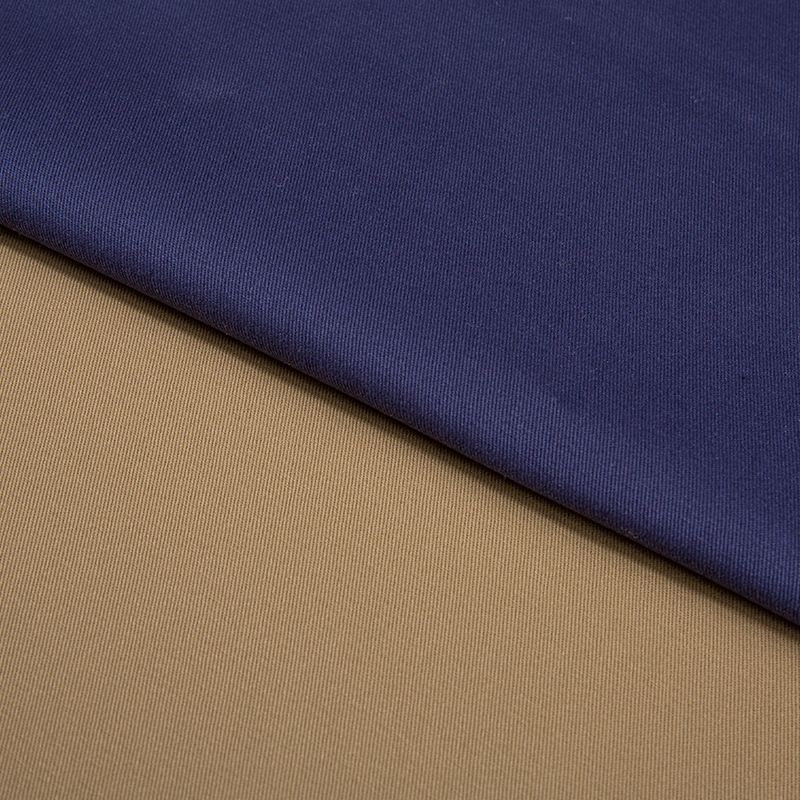
A significant trend reshaping the work of a cotton fabric manufacturer is the increasing demand for sustainable and transparent practices. Consumers and brands are seeking assurances regarding the environmental and social footprint of their textiles. This prompts a forward-thinking cotton fabric manufacturer to invest in traceability systems, often utilizing technology to track cotton from field to fabric. Many are adopting standards for organic cotton cultivation, which prohibits synthetic pesticides, or integrating recycled cotton into their blends. Furthermore, initiatives to reduce water and energy consumption in dyeing and finishing processes are becoming a priority for a responsible cotton fabric manufacturer, responding to both ecological concerns and operational efficiency goals.
The product development focus for a contemporary cotton fabric manufacturer is also expanding. While continuing to produce vast quantities of standard fabrics like poplin, denim, and jersey, there is growing innovation in finishing techniques. A progressive cotton fabric manufacturer might develop fabrics with natural moisture-wicking properties, enhanced breathability, or inherent odor resistance without relying on chemical treatments. The development of blended fabrics, combining cotton with other fibers like recycled polyester or Tencel, allows a cotton fabric manufacturer to offer materials with improved performance and sustainability profiles, catering to a wider range of market needs.
Global supply chain dynamics present ongoing considerations for the cotton fabric manufacturer. Fluctuations in the price of raw cotton, influenced by weather patterns and agricultural policies, require astute sourcing strategies. International trade agreements and tariffs can affect the flow of both raw materials and finished goods, necessitating flexible logistics planning. A resilient cotton fabric manufacturer often diversifies its supplier base and maintains adaptable production schedules to navigate these variables and ensure reliable delivery to clients in the fashion, home furnishings, and contract textiles sectors.
The strategic path for a cotton fabric manufacturer involves deeper integration of technology and sustainability. The adoption of automation and data analytics in production can enhance precision and reduce waste. Exploring closed-loop water systems in wet processing and increasing the use of renewable energy sources are likely to become standard practices. As the industry moves towards a circular economy model, the role of the cotton fabric manufacturer may expand to include developing fabrics designed for easier recycling at the end of their life.
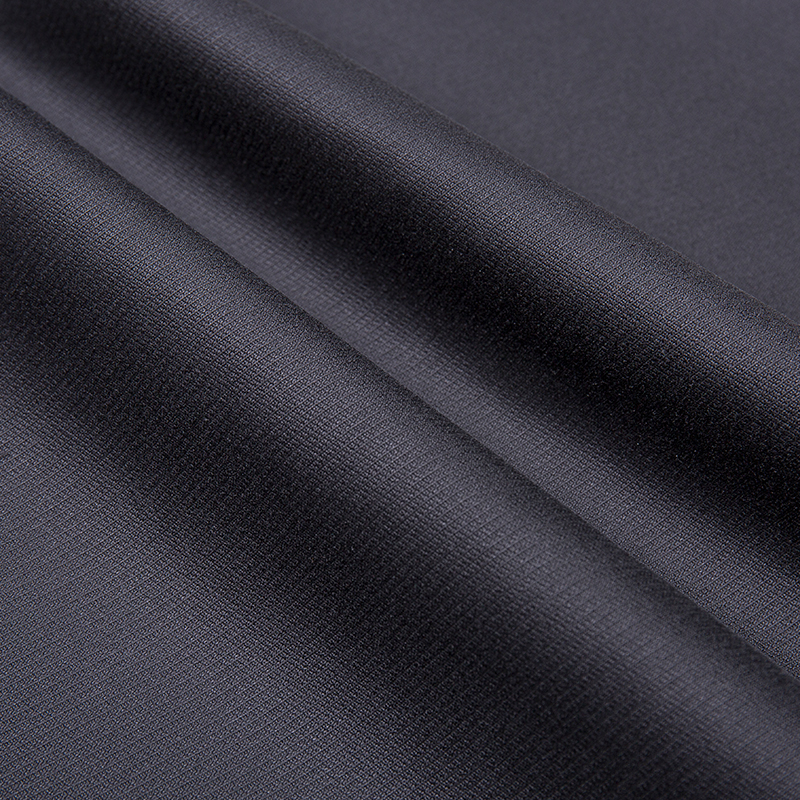
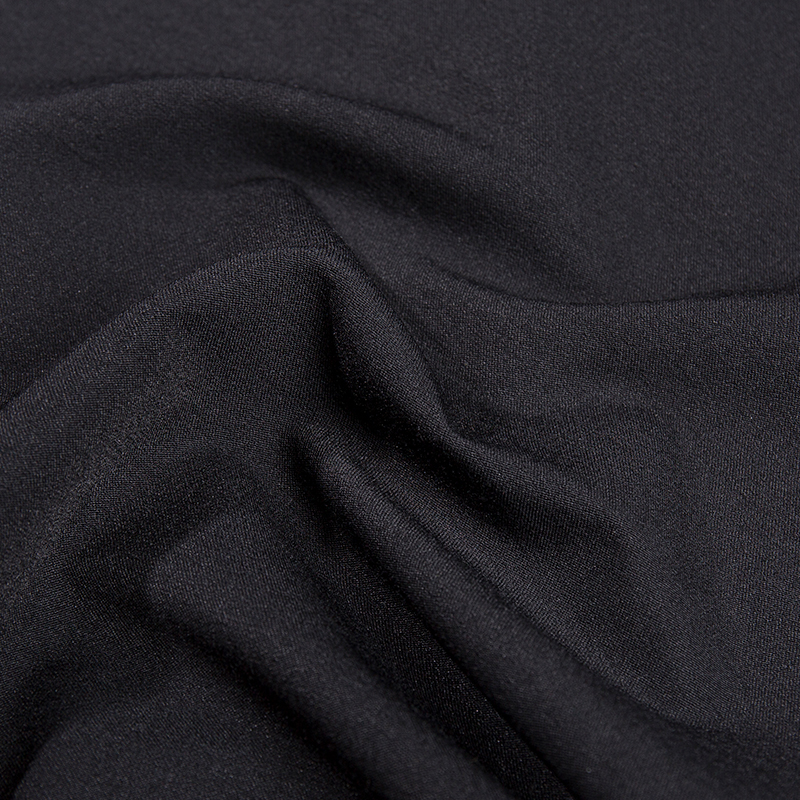
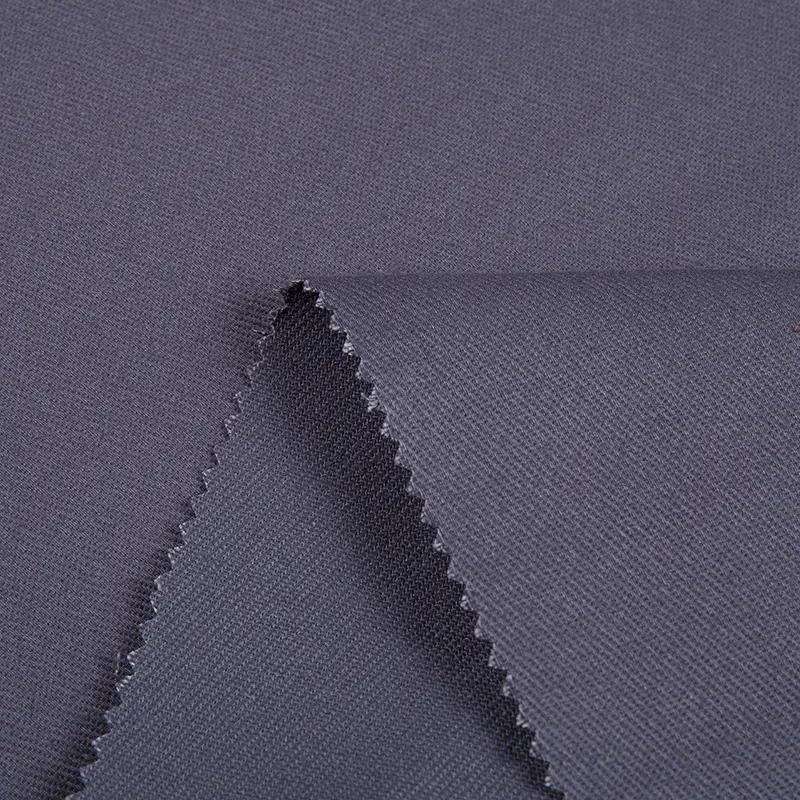

 Add: Beside National Highway 330, Zhuge Town, Lanxi City, Zhejiang Province, China
 Phone: +86-579-89022355

