 EN
EN English
 中文简体
中文简体 Español
 عربى
عربى Indonesia


The global push towards a circular economy is finding a powerful ally in the advancement of materials science, with recycle nylon emerging as a significant focus for numerous industries. Traditionally reliant on petroleum-based feedstocks, conventional nylon production carries a notable environmental burden. In response, the development and adoption of recycle nylon represents a concerted effort to reduce waste, conserve resources, and lower the carbon footprint associated with this versatile synthetic polymer.
The process of creating recycle nylon primarily follows two established pathways: pre-consumer and post-consumer recycling. The pre-consumer method involves collecting and processing industrial waste, such as fabric scraps and manufacturing byproducts from nylon production, before they reach the consumer. The post-consumer route, often viewed as more challenging, focuses on transforming discarded end-use products, like old fishing nets, carpeting, and certain types of textile waste, back into usable material. In both cases, the collected nylon undergoes a series of cleaning, sorting, and chemical or mechanical regeneration processes to produce recycle nylon pellets or fibers that can match the performance of virgin material.
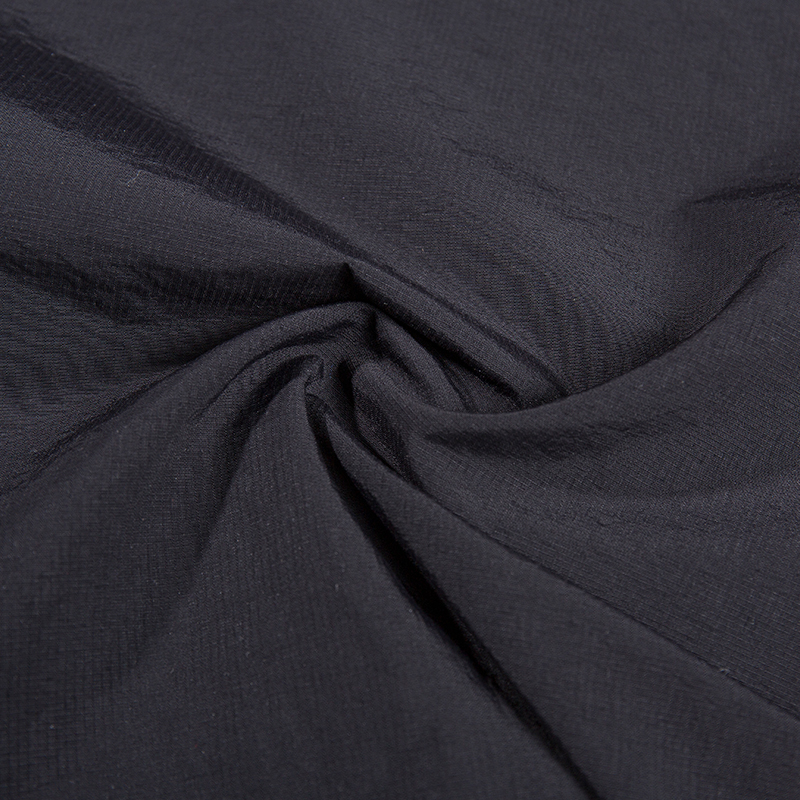
The performance characteristics of high-quality recycle nylon are closing the gap with its virgin counterpart. Modern regeneration technologies ensure that this material retains key properties such as durability, elasticity, and abrasion resistance. This makes recycle nylon a technically viable option for demanding applications. Its adoption is particularly visible in the textile and fashion sectors, where brands are integrating recycle nylon into activewear, swimwear, and outdoor gear, responding to growing consumer demand for more sustainable products. The use of recycle nylon in these items helps divert plastic waste from landfills and oceans, turning a potential pollutant into a valuable resource.
Beyond apparel, the application of recycle nylon is expanding into other sectors. The automotive industry, for instance, utilizes this material in the production of carpet fibers, seat fabrics, and various interior components. In the realm of consumer goods, recycle nylon is found in items like bags, accessories, and even eyewear frames. The growth of this market is supported by advancements in supply chain logistics for collecting waste nylon and improvements in the sorting technologies that ensure a purer feedstock for producing recycle nylon, which is crucial for maintaining material quality.
Despite the progress, scaling the use of recycle nylon involves addressing certain challenges. Consistent collection and sorting of nylon waste remain complex, especially for post-consumer streams where material contamination is common. The chemical processes required for some forms of recycling can be energy-intensive, prompting ongoing research into more efficient methods. Furthermore, clear certification and traceability systems are vital to verify the recycled content claims of products made with recycle nylon, ensuring transparency for businesses and consumers alike.
Recycle nylon stands as a critical material in the transition towards more responsible production cycles. By providing a pathway to reuse existing plastic resources, it reduces reliance on new fossil fuels and tackles the growing issue of synthetic waste. Its continued integration across manufacturing sectors demonstrates a tangible commitment to innovation and environmental stewardship, making recycle nylon a key component in building a more sustainable industrial future.
 Add: Beside National Highway 330, Zhuge Town, Lanxi City, Zhejiang Province, China
 Phone: +86-579-89022355

