 EN
EN English
 中文简体
中文简体 Español
 عربى
عربى Indonesia


The rhythmic clatter of looms, once the defining soundtrack of the industrial revolution, continues to pulse within the modern weaving factory. However, today's facility represents a sophisticated fusion of time-honored craft and advanced technology. The contemporary weaving factory is a critical nexus in the global textile supply chain, transforming raw fibers—from cotton and wool to synthetics and blends—into the vast array of fabrics that clothe the world and furnish our environments. Its evolution reflects broader trends in automation, sustainability, and customized production.
At the heart of any weaving factory lies the core process of interlacing warp (longitudinal) and weft (latitudinal) yarns to create cloth. The scale and technology governing this process define the facility's output. A traditional weaving factory may still operate mechanical looms for specialized, small-batch production, preserving techniques for specific heritage textiles. In contrast, a forward-looking weaving factory is increasingly dominated by high-speed, computer-controlled rapier, air-jet, or projectile looms. These machines, guided by digital patterns, offer remarkable speeds, consistency, and the ability to swiftly switch between complex designs, significantly enhancing the productivity of the modern weaving factory.
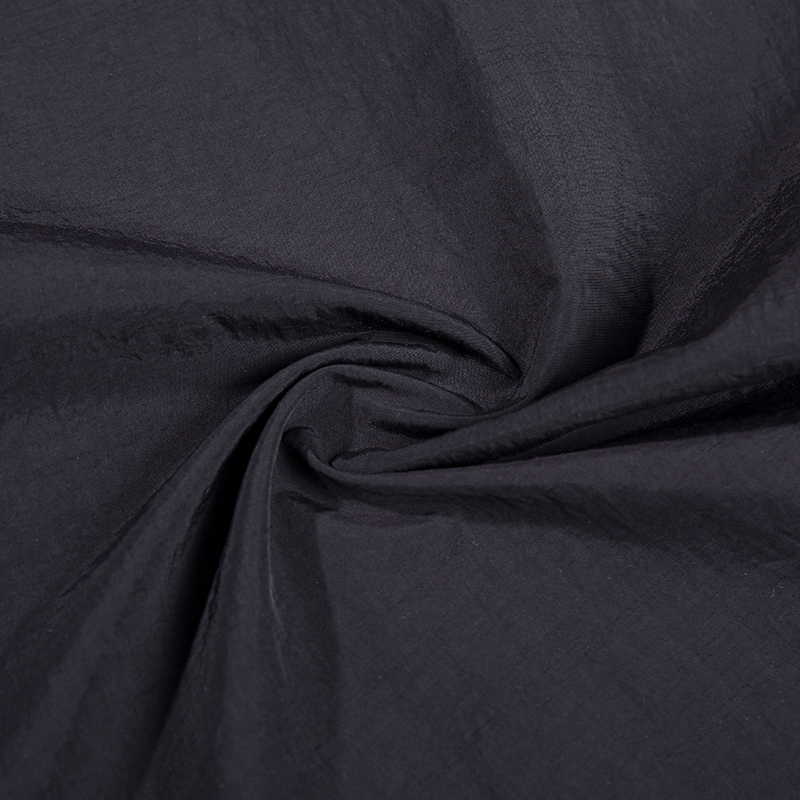
Operational efficiency within a weaving factory extends far beyond the loom shed. A significant portion of the workflow involves preparatory processes. In a well-organized weaving factory, the winding and warping sections are critical. Here, yarns from thousands of individual spools are carefully aligned and wound onto large beams that will feed the looms. The precision in this stage, managed by automated machinery, directly impacts fabric quality, small breaks and defects during weaving. This attention to preparatory detail is a hallmark of a proficient weaving factory, ensuring smooth downstream production and ideal material utilization.
The role of the weaving factory is also being reshaped by the increasing demand for sustainable and responsive manufacturing. Many facilities are adopting practices to reduce their environmental footprint. This includes investing in energy-efficient looms, recycling process water, and managing waste yarn effectively. Furthermore, the integration of digital systems for inventory and production management allows the weaving factory to operate with greater agility. Real-time monitoring of machine performance and quick response to quality control checks are now standard in a technologically equipped weaving factory, enabling it to meet tighter deadlines and smaller, more customized orders from fashion and interior design brands.
The workforce within a contemporary weaving factory embodies this blend of old and new. While the number of personnel directly supervising automated machinery may be lower, the required skill set has evolved. Technicians now need to understand electronic controls, perform data analysis for predictive maintenance, and troubleshoot sophisticated equipment. At the same time, quality inspectors and fabric specialists rely on trained eyes and hands to assess the tactile and visual properties of the finished cloth, ensuring it meets exacting standards. The modern weaving factory thus values both digital literacy and deep material knowledge.
The future of the weaving factory is poised for further innovation. The exploration of smart textiles, where conductive yarns are integrated during the weaving process, presents new opportunities. Advances in automation, including the use of artificial intelligence for defect detection and pattern optimization, will continue to drive efficiency. As global supply chains prioritize resilience and proximity, regional weaving factories may see renewed importance. Ultimately, whether producing vast runs of standard denim or intricate jacquard upholstery, the weaving factory remains an indispensable pillar of manufacturing, continuously adapting its ancient craft to the demands of the modern world.
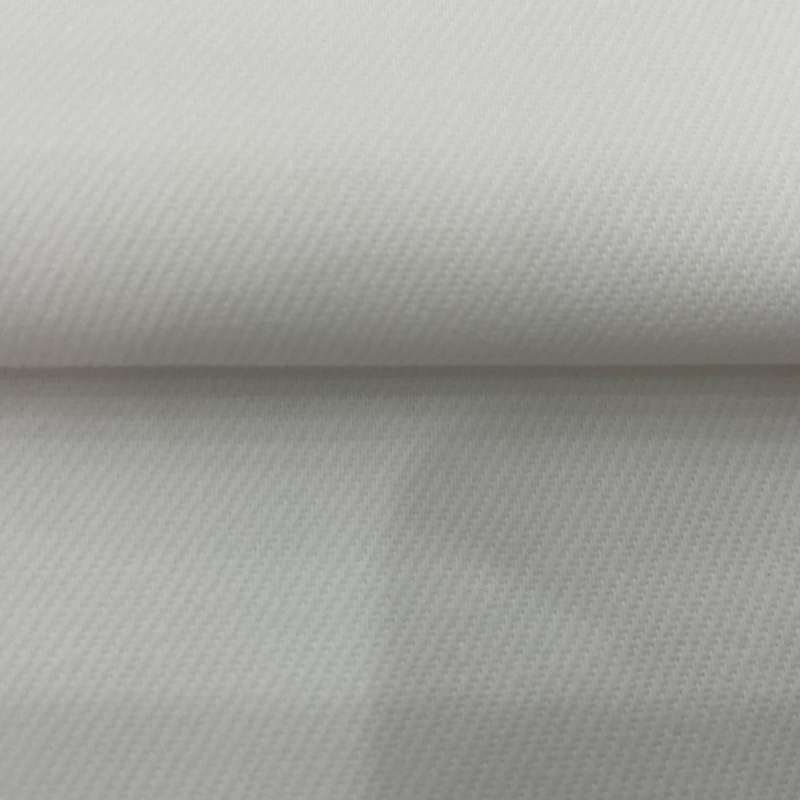


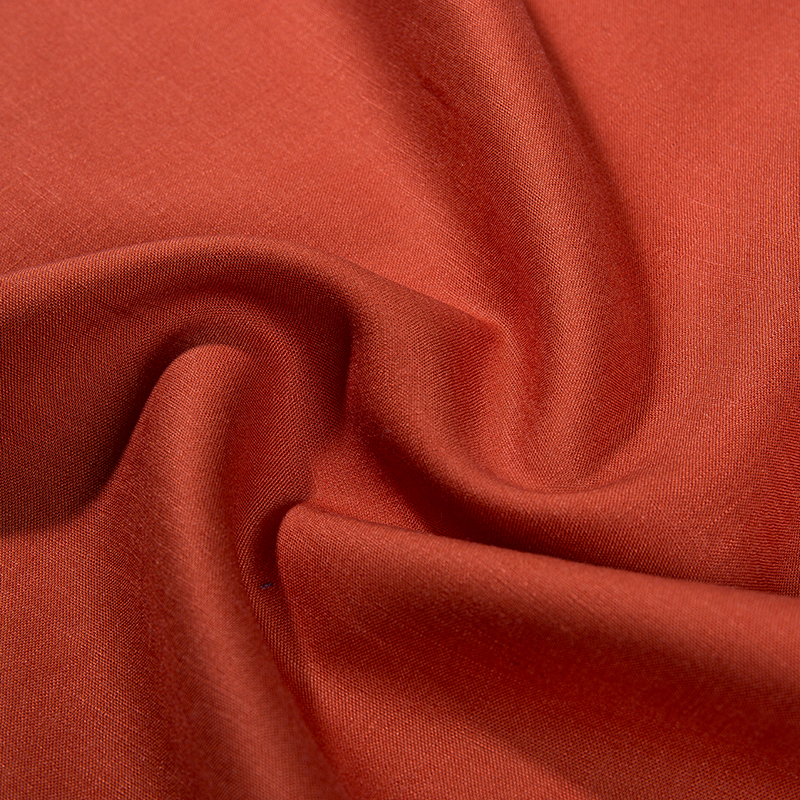
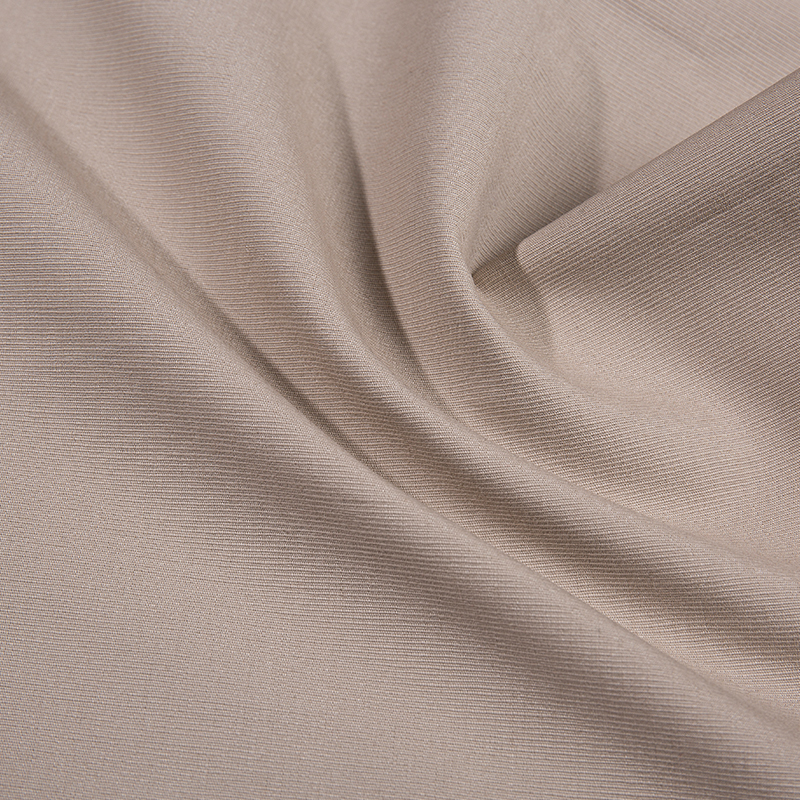
 Add: Beside National Highway 330, Zhuge Town, Lanxi City, Zhejiang Province, China
 Phone: +86-579-89022355

