 EN
EN English
 中文简体
中文简体 Español
 عربى
عربى Indonesia


Textile and material suppliers have reported increased demand for recycled nylon across multiple product categories. Unlike virgin nylon, which relies on petrochemical feedstocks, recycled nylon is produced from post‑industrial waste such as fabric offcuts and fishing nets, as well as post‑consumer items like used carpets and worn apparel. This shift toward recycled nylon reflects broader efforts within the manufacturing sector to reduce raw material consumption and manage plastic waste more effectively. Several large retailers have introduced product lines that specify recycled nylon as a preferred input, particularly for outdoor clothing, bags, and home textiles.
The production of recycled nylon follows two main technical routes. Mechanical recycling involves grinding nylon waste into small particles, which are then melted and extruded into new fibers or pellets. This method works well for clean, uniform streams of recycled nylon, such as material discarded during carpet production. Chemical recycling depolymerizes nylon waste back into caprolactam or other monomers, which are then repolymerized to create recycled nylon with properties nearly identical to virgin material. Chemical processes can handle more contaminated feedstocks, producing recycled nylon suitable for engineering applications where mechanical strength and thermal stability matter significantly.
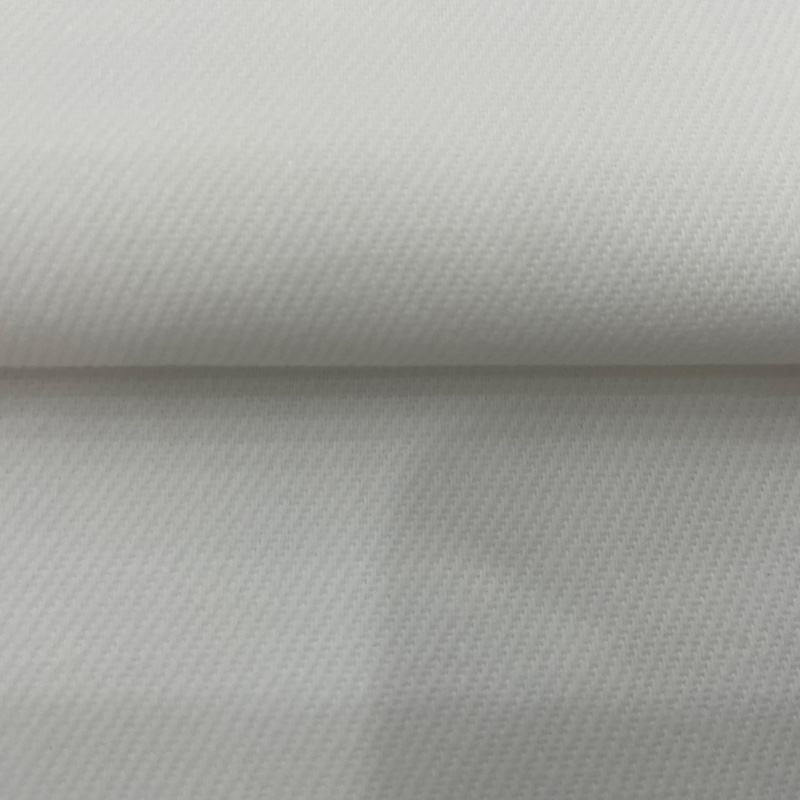
Outdoor apparel brands have become major users of recycled nylon. Jackets, pants, backpacks, and sleeping bags made with recycled nylon offer comparable durability and water resistance to those made from virgin material. Consumers looking for products with lower environmental impact have responded positively to garments containing recycled nylon. Sportswear manufacturers have also introduced recycled nylon into leggings, shorts, and base layers, often blending the fiber with elastane for stretch and recovery. A garment made with recycled nylon can be washed and worn repeatedly without noticeable loss of performance.
Fishing net collection programs have provided a significant source of raw material for recycled nylon. Discarded nets collected from ports and coastal communities are cleaned, sorted, and processed into recycled nylon pellets or chips. This specific source of recycled nylon carries an additional environmental benefit by reducing ocean plastic pollution. Collection partnerships between fishing communities and recycling operators have expanded the supply of recycled nylon while offering income for net disposal that might otherwise require payment.
Industrial applications of recycled nylon have grown beyond simple non‑structural components. Automotive suppliers use recycled nylon in under‑hood parts such as engine covers, air intake manifolds, and cable conduits. These components require heat resistance and chemical durability, which recycled nylon provides when correctly formulated with glass fiber or mineral reinforcements. Electronics manufacturers have introduced recycled nylon into connector housings, switch bodies, and cable ties. For these uses, recycled nylon must pass flame retardancy and dielectric strength tests comparable to those required for virgin material.
Quality assurance for recycled nylon involves testing for molecular weight, melt flow rate, and contamination levels. Multiple processing cycles can degrade polymer chains, so producers of recycled nylon often blend in small amounts of virgin material or chain extenders to achieve consistent processing behavior. Each batch of recycled nylon is sampled and tested before shipment to converters.
The recycled nylon market is expected to continue expanding as collection infrastructure improves and chemical recycling capacity increases. Brand commitments to circular material systems will likely sustain demand for recycled nylon across apparel, automotive, and consumer goods sectors. As long as technical performance requirements can be satisfied, recycled nylon will remain a practical alternative to virgin material for an expanding range of products.
 Add: Beside National Highway 330, Zhuge Town, Lanxi City, Zhejiang Province, China
 Phone: +86-579-89022355

