 EN
EN English
 中文简体
中文简体 Español
 عربى
عربى Indonesia


The textile industry continues transforming with recycled nylon emerging as a pilot sustainable material option for apparel, accessories, and technical textile applications worldwide. This innovative fiber, manufactured from pre-consumer industrial waste and post-consumer products including fishing nets and fabric scraps, offers performance characteristics comparable to virgin nylon while significantly reducing environmental impact. The growing adoption of recycled nylon reflects broader industry commitment to circular economy principles and reduced reliance on virgin petroleum-based materials.
Fashion brands and outdoor apparel manufacturers increasingly specify recycled nylon for collections targeting environmentally conscious consumers who demand both performance and sustainability. The material provides the durability, elasticity, and quick-drying properties that made virgin nylon popular while addressing concerns about resource consumption and waste generation. This combination of performance equivalence and environmental benefits makes recycled nylon attractive across diverse product categories from swimwear to technical outerwear.
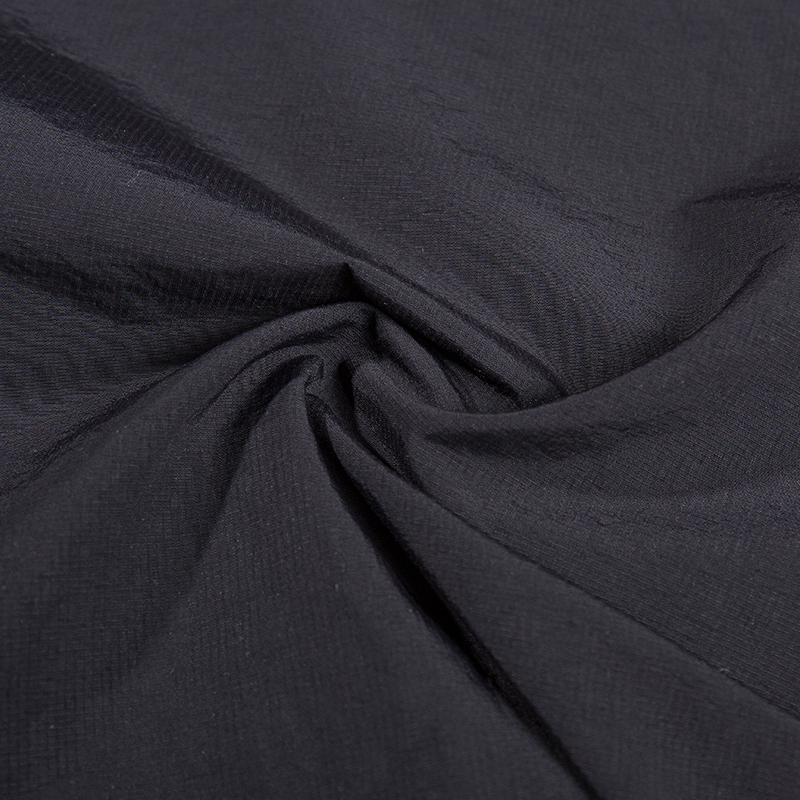
Fishing net recycling represents a particularly impactful source for recycled nylon, addressing the serious environmental problem of abandoned or lost fishing gear in oceans. Collection programs in coastal communities gather end-of-life nets for processing into recycled nylon, creating economic opportunities while cleaning marine environments. This application demonstrates how recycled nylon programs can deliver environmental benefits beyond simple material substitution.
Consumer awareness of recycled nylon benefits continues growing as brands communicate sustainability stories through product labeling and marketing. Shoppers increasingly understand that choosing recycled nylon supports waste reduction and resource conservation without compromising the performance they expect from quality products. This awareness drives demand that encourages further investment in recycling infrastructure and technology development.
The apparel sector leads recycled nylon adoption, with activewear, swimwear, and outerwear categories featuring prominently. These applications leverage recycled nylon's technical performance characteristics while appealing to consumers whose outdoor activities often foster environmental consciousness. Sports and outdoor brands have been particularly active in incorporating recycled nylon across product lines, setting examples for broader industry adoption.
Supply chain development for recycled nylon continues advancing as production capacity expands to meet growing demand. Investment in collection, sorting, and processing infrastructure enables increased recycled nylon output at competitive pricing. As volumes grow and technologies improve, the cost differential between recycled and virgin nylon continues narrowing, accelerating market adoption.
Technical textile applications beyond apparel increasingly utilize recycled nylon where performance requirements align with material capabilities. Automotive textiles, upholstery, and industrial fabrics represent growing markets for recycled nylon as manufacturers across sectors seek sustainable material options. These applications benefit from recycled nylon's durability while contributing to broader corporate sustainability objectives.
Transparency and certification have become important aspects of the recycled nylon market, with buyers seeking verification of recycled content claims. Third-party certification programs provide assurance that recycled nylon products meet established standards, supporting brand confidence and consumer trust. This verification infrastructure strengthens the market by preventing unsubstantiated claims that could undermine credibility.
The recycled nylon market outlook remains positive as regulatory pressure on virgin plastics increases and consumer expectations for sustainable products strengthen. Extended producer responsibility schemes and plastic reduction policies in various jurisdictions create favorable conditions for recycled material adoption. As these trends continue, recycled nylon is positioned for sustained growth, offering the performance characteristics industry requires with the environmental profile increasingly demanded by conscious consumers and responsible brands.

 Add: Beside National Highway 330, Zhuge Town, Lanxi City, Zhejiang Province, China
 Phone: +86-579-89022355

