 EN
EN English
 中文简体
中文简体 Español
 عربى
عربى Indonesia


The BCI cotton spandex fabric has gained attention among apparel manufacturers seeking stretch materials with verified sustainable sourcing. Unlike conventional cotton without certification, BCI cotton spandex uses cotton from farmers trained in water-efficient and reduced-pesticide growing methods. Clothing brands have adopted BCI cotton spandex for activewear, casual pants, and stretch shirts where comfort meets environmental awareness. The combination of responsible cotton sourcing and elastic performance explains the growing use of BCI cotton spandex in fashion and sportswear collections. Textile mills continue to produce BCI cotton spandex in various weights, stretch levels, and finishes.
BCI certification for BCI cotton spandex ensures the cotton component comes from verified sources. The Better Cotton Initiative trains farmers on soil health, water conservation, and integrated pest management. A BCI cotton spandex fabric includes a percentage of Better Cotton claimable through mass balance or segregated supply chains. The traceability of BCI cotton spandex requires documentation from gin to mill to garment factory. A BCI cotton spandex label on finished apparel informs consumers about responsible fiber sourcing. The adoption rate of BCI cotton spandex has increased as more brands commit to sustainable material targets.

Spandex content in BCI cotton spandex determines the fabric's stretch and recovery properties. A 3 to 5 percent spandex blend in BCI cotton spandex provides slight stretch for comfort fit shirts. A 6 to 8 percent spandex content in BCI cotton spandex delivers moderate stretch for casual pants and chinos. A 10 to 12 percent spandex level in BCI cotton spandex suits activewear and yoga apparel. The recovery of BCI cotton spandex after stretching prevents bagging at knees and elbows. A balanced BCI cotton spandex blend maintains shape through multiple washing and wearing cycles.
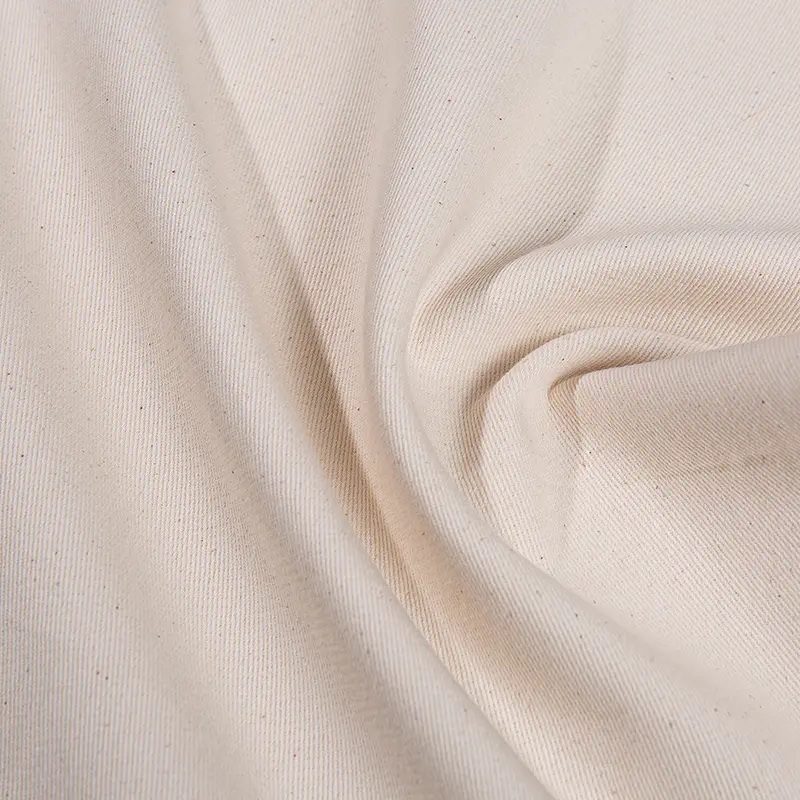
Fabric construction of BCI cotton spandex includes jersey, twill, and poplin weaves. A jersey knit BCI cotton spandex produces t-shirts with four-way stretch for full mobility. A twill weave BCI cotton spandex creates casual pants that move with the wearer. A poplin BCI cotton spandex works for button-down shirts requiring structure with stretch. The weight of BCI cotton spandex ranges from 120 to 300 grams per square meter based on application. A mid-weight BCI cotton spandex suits year-round wear in moderate climates.
Moisture management of BCI cotton spandex affects comfort during activity. The cotton component of BCI cotton spandex absorbs moisture for breathable comfort. The spandex in BCI cotton spandex allows the fabric to move without binding during exercise. A performance finish on BCI cotton spandex adds wicking for intense physical activity. The drying time of BCI cotton spandex after washing varies with fabric weight and construction. A lightweight BCI cotton spandex dries faster than heavy cotton-rich blends.
Durability testing for BCI cotton spandex includes stretch recovery and abrasion resistance. The elongation of BCI cotton spandex measures how much the fabric stretches under specified tension. The growth of BCI cotton spandex indicates permanent length increase after repeated stretching. A quality BCI cotton spandex recovers at least 90 percent of its original dimensions after stretch cycles. The pilling resistance of BCI cotton spandex matters for garments with frequent friction areas. A BCI cotton spandex with proper spandex coverage maintains appearance through 50 wash cycles.
BCI cotton spandex will likely continue growing as sustainable material options expand. Advances in spandex recycling may complement the BCI cotton spandex supply chain. For apparel brands seeking stretch fabrics with responsible sourcing, BCI cotton spandex offers a practical solution.

 Add: Beside National Highway 330, Zhuge Town, Lanxi City, Zhejiang Province, China
 Phone: +86-579-89022355

