 EN
EN English
 中文简体
中文简体 Español
 عربى
عربى Indonesia


Corduroy for shirts has seen a noticeable return to menswear and womenswear collections, as designers and consumers rediscover the fabric’s unique texture, warmth, and casual durability. Once associated primarily with children’s clothing or colder-weather trousers, corduroy is now appearing in button-down shirts, overshirts, and even casual button-front styles for everyday wear.
Corduroy is a textile distinguished by its parallel ridges, called wales, which run lengthwise down the fabric. The number of wales per inch determines the fabric’s appearance and feel. A wide-wale corduroy has fewer ridges per inch, creating a bolder, more rustic look that works well for jackets and heavier shirts. A fine-wale or pinwale corduroy has more ridges per inch, producing a softer, smoother surface that drapes better for shirtmaking. For shirt applications, fine-wale corduroy is generally preferred because it feels less bulky and moves with the body more easily.
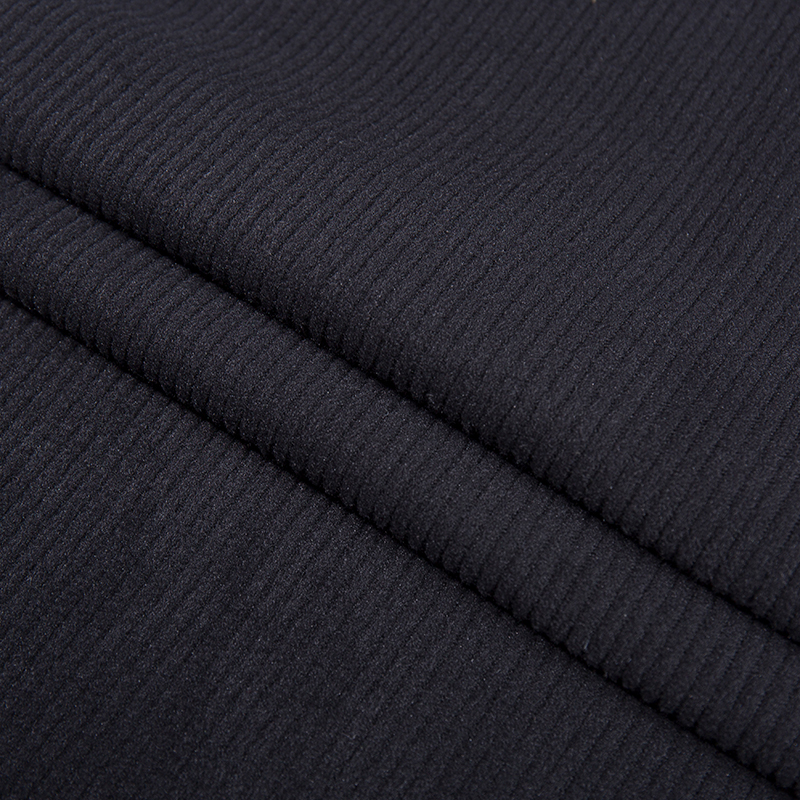
The composition of corduroy for shirts varies by brand and price point. Traditional corduroy is made from cotton, which breathes well, softens with washing, and takes dye readily. Cotton corduroy shirts are comfortable for cool weather but may wrinkle more than blended fabrics. Some corduroy shirts include a small percentage of elastane or spandex, adding stretch for better range of motion. Polyester-cotton blends offer increased wrinkle resistance and color retention, though the hand feel may differ from pure cotton.
The warmth of corduroy for shirts makes it a practical choice for autumn and winter layering. A corduroy shirt worn over a t-shirt or under a sweater provides insulation without the weight of a full jacket. The raised ridges create small air pockets that trap body heat, similar to how velvet or flannel works.
Care instructions for corduroy shirts differ from standard cotton fabrics. Turning the shirt inside out before washing protects the raised ridges from abrasion. Using cold or warm water rather than hot water prevents excessive shrinkage and color fading. Tumble drying on low heat or line drying helps maintain the fabric’s texture, as high heat can flatten the wales or cause the fabric to become stiff. Ironing corduroy requires care; ironing on the reverse side or using a pressing cloth prevents crushing the ridges.
The durability of corduroy for shirts is generally good for a fabric of its weight. The raised ridges can show wear over time, particularly at the cuffs, collar, and elbows. High-quality corduroy with a tight weave and dense pile resists this flattening longer than lighter-weight versions. Some wear patterns are considered part of the fabric’s character, similar to how denim fades with use. When the wales become permanently flattened in high-friction areas, the shirt may still be wearable but will look more aged.
Sizing considerations for corduroy shirts differ from standard woven cotton shirts. Corduroy has less give than knit fabrics but more body than lightweight shirting. A corduroy shirt that fits well in the shoulders and chest may feel snug through the forearms due to the fabric’s thickness. Some buyers choose one size larger than their typical dress shirt size, especially if they plan to layer the corduroy shirt over other garments.
As cooler weather arrives, many shoppers will reach for a corduroy for shirts option hanging in their closet or displayed at their favorite clothing store. The fabric’s distinctive ridges, comfortable weight, and lasting durability make it a seasonal favorite that returns year after year without feeling dated.
 Add: Beside National Highway 330, Zhuge Town, Lanxi City, Zhejiang Province, China
 Phone: +86-579-89022355

