 EN
 English
 中文简体
 Español
 عربى
 Indonesia


How Cotton Fabric Moves From Fiber to Finished Textile
Cotton fabric remains an important material in apparel, home textiles, uniforms, and various industrial applications. Its natural fiber structure, comfortable feel, and adaptability to different weaving and knitting methods make it suitable for products with different performance and appearance requirements. For brands, garment factories, and textile wholesalers, working with a reliable Cotton Fabric Manufacturer involves understanding how raw cotton becomes fabric that meets specific production needs.
The manufacturing process typically includes yarn preparation, weaving or knitting, fabric finishing, and quality inspection. Each stage affects the final textile, including its texture, thickness, dimensional stability, and surface appearance. The choice of process depends on the intended application and the specifications required by the customer.
Weaving and Knitting Create Different Fabric Structures
Fabric construction influences how a textile looks, feels, and performs during garment production. Woven cotton fabrics are formed by interlacing warp and weft yarns, creating structures commonly used for shirts, trousers, workwear, and bedding.
Knitted cotton fabrics use interlooped yarns to create a more flexible structure. They are frequently used for T-shirts, casual clothing, underwear, and other garments that require stretch or ease of movement.
A Cotton Fabric Manufacturer may offer several construction options to serve different product categories. Common choices include:
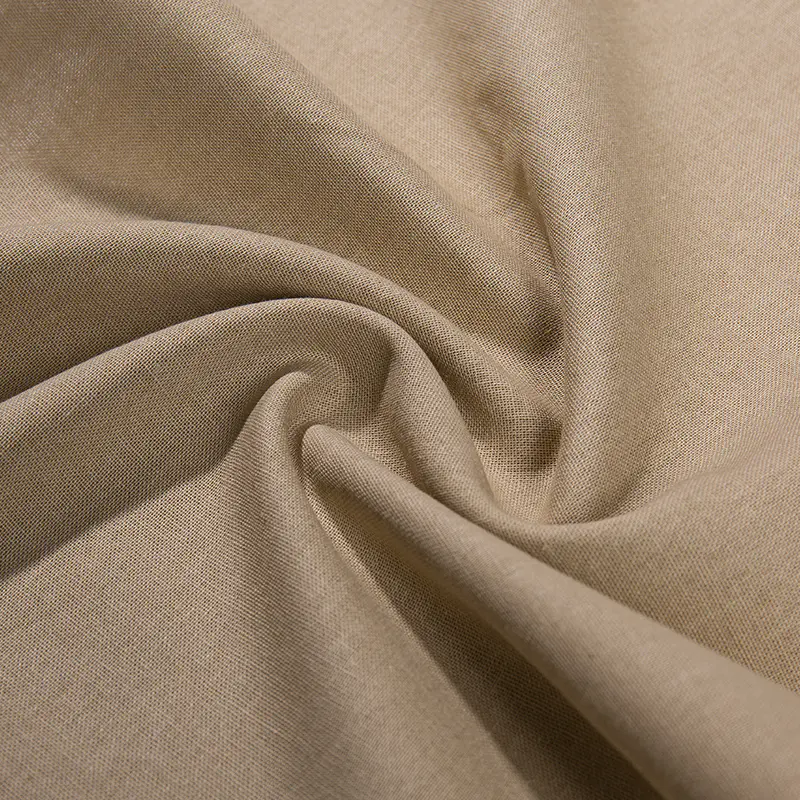
- Plain weave: A balanced structure suitable for shirts, linings, lightweight workwear, and basic textile products.
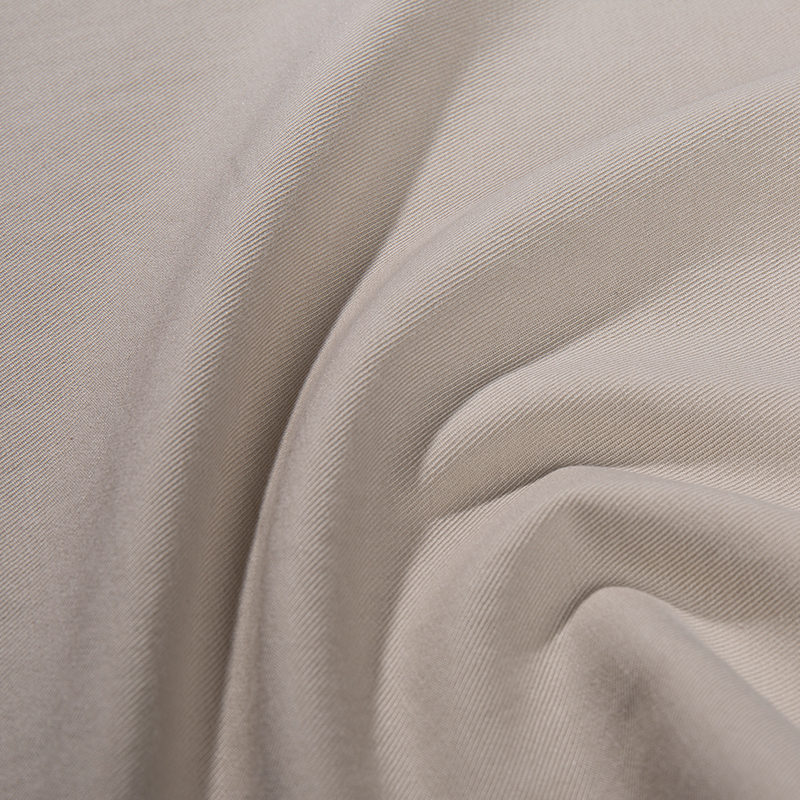
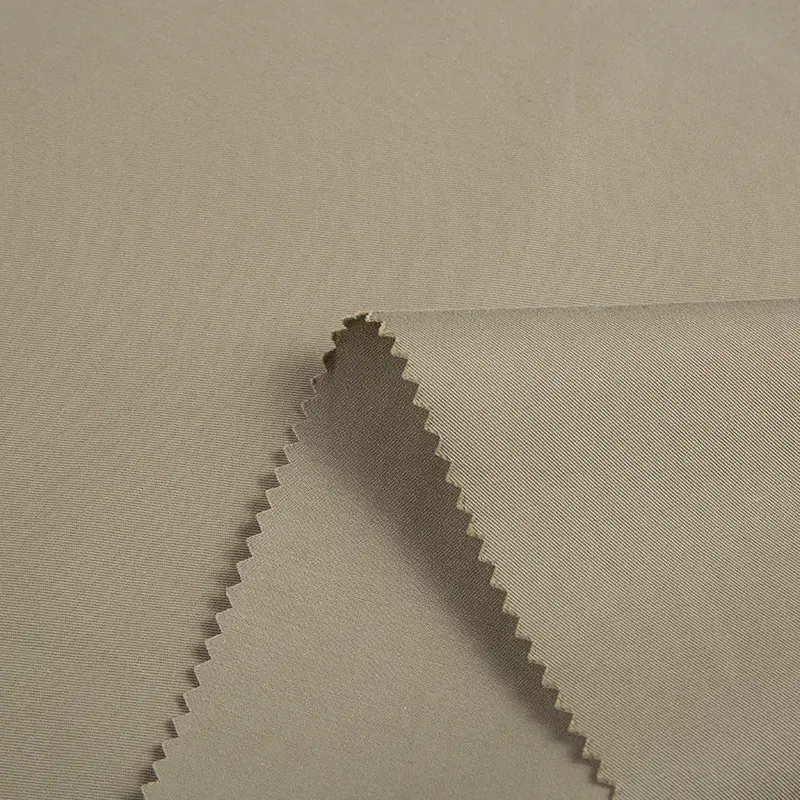
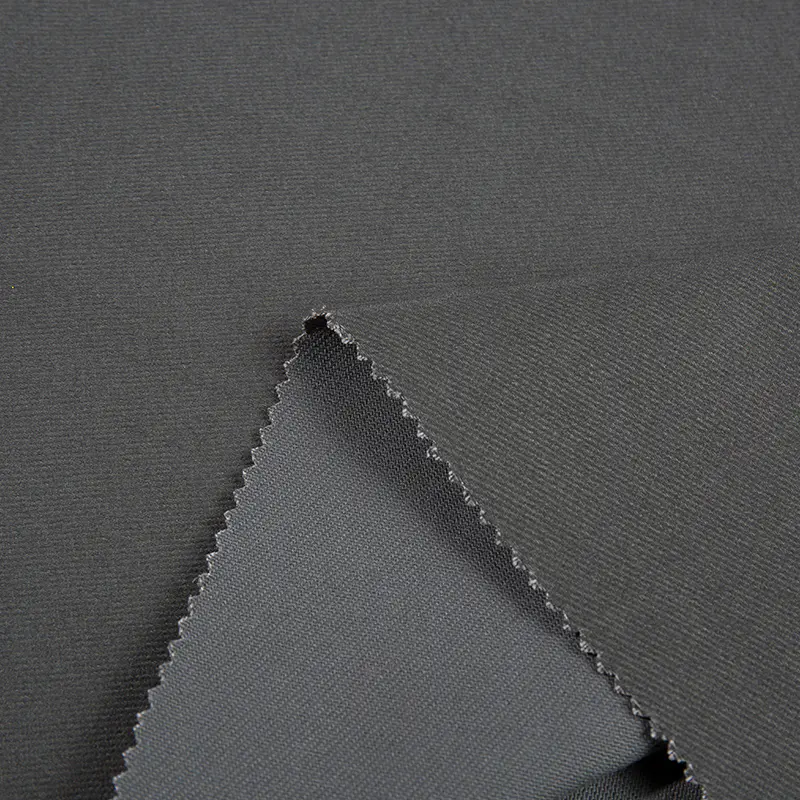
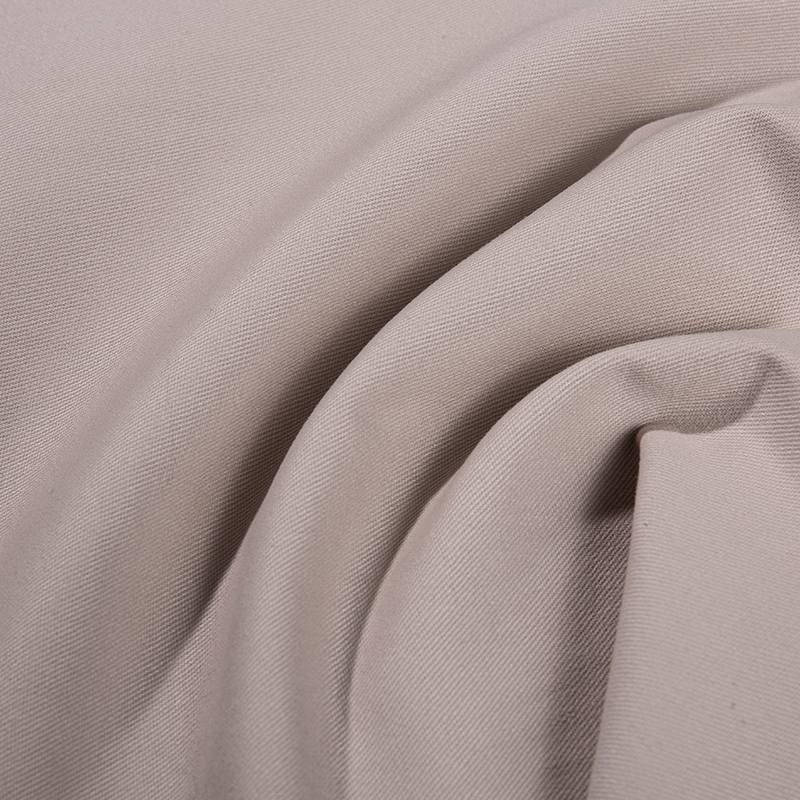
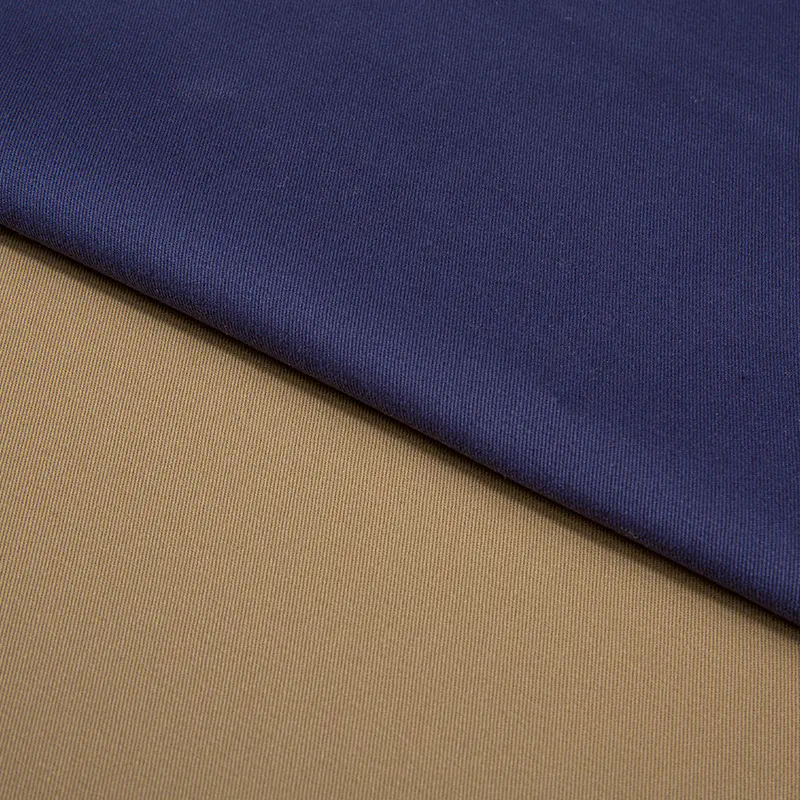
- Twill weave: A diagonal surface pattern often used for trousers, jackets, uniforms, and heavier garments.
- Single jersey knit: A flexible construction widely used in T-shirts and casual apparel.
- Rib knit: A knitted structure often selected for cuffs, collars, waistbands, and garments requiring elasticity.
Selecting the right structure helps manufacturers balance fabric appearance, handling characteristics, and production requirements.
Dyeing and Finishing Shape the Final Appearance
After weaving or knitting, cotton fabric may undergo processes such as scouring, bleaching, dyeing, printing, and mechanical finishing. The actual sequence varies according to the fabric construction and customer requirements.
Dyeing establishes the fabric color, while printing introduces patterns, graphics, or repeated decorative designs. Finishing processes can change the surface feel, texture, and dimensional behavior of the textile.
For example, brushed cotton may have a softer surface, while mercerized cotton can develop a different luster and dye response. These characteristics influence the fabric's suitability for particular garment styles and product categories.
Clear communication about color references, finish requirements, and acceptable variations helps a Cotton Fabric Manufacturer align production with a customer's intended design.
Customization Supports Different Textile Business Models
Textile sourcing rarely follows a single specification. Apparel brands may need custom colors and fabric weights, while garment factories may prioritize consistent roll widths and predictable cutting behavior. Wholesalers may require several fabric types for different customer segments.
Customization can cover fabric construction, yarn specifications, GSM, width, color, print patterns, and finishing options. The available choices depend on the manufacturer's equipment and production capabilities.
Before placing a bulk order, businesses can prepare a technical specification sheet covering the following details:
- Fabric composition, construction, weight, and usable width.
- Color references, finishing requirements, and sample approval criteria.
A clearly defined specification reduces misunderstandings between textile suppliers, garment factories, and product development teams. Sample evaluation also allows customers to assess hand feel, drape, opacity, and sewing performance before confirming production details.
Connecting Fabric Manufacturing With End-Use Requirements
Cotton fabric production involves several interconnected decisions, from fiber and yarn selection to fabric construction, dyeing, finishing, and inspection. Each decision contributes to the characteristics of the final textile.
Choosing a Cotton Fabric Manufacturer that can communicate clearly about these processes helps textile businesses match material specifications with garment designs and production requirements. By defining fabric weight, construction, color, width, and finishing needs at the beginning of a project, buyers and manufacturers can establish a clearer basis for sampling and bulk production.
 Add: Beside National Highway 330, Zhuge Town, Lanxi City, Zhejiang Province, China
 Phone: +86-579-89022355


