 EN
EN English
 中文简体
中文简体 Español
 عربى
عربى Indonesia


Why Fabric Structure Matters in Performance Apparel
Fabric selection affects how clothing feels, handles moisture, and performs during physical activity. For sportswear manufacturers, textile wholesalers, and apparel brands, the challenge is to match material properties with the intended garment and its working conditions. Coolmax Fabric is a moisture-management textile commonly made from specially engineered polyester fibers designed to help move perspiration away from the skin toward the fabric surface.
This construction makes it relevant to products such as sports shirts, base layers, uniforms, socks, and other garments worn during active work or exercise. For commercial buyers, understanding its fiber structure and fabric construction helps determine whether it fits a particular product line.
How Moisture Management Works
Moisture management depends on how liquid spreads through a textile and moves from one area to another. Fiber shape, yarn construction, fabric density, and finishing treatments can all influence this process.
Coolmax fibers are designed with a specialized cross-sectional structure that supports moisture movement along the fabric. This helps perspiration spread across a larger surface area, where it can evaporate under suitable conditions.
The result depends on the complete textile construction rather than the fiber alone. A tightly knitted fabric may behave differently from a lightweight mesh, even when both use the same fiber type.
When evaluating Coolmax Fabric, manufacturers should consider fiber content, yarn structure, fabric weight, stretch, and intended garment design. These details help explain how the material may perform in the finished product.
Knitted and Woven Fabric Options
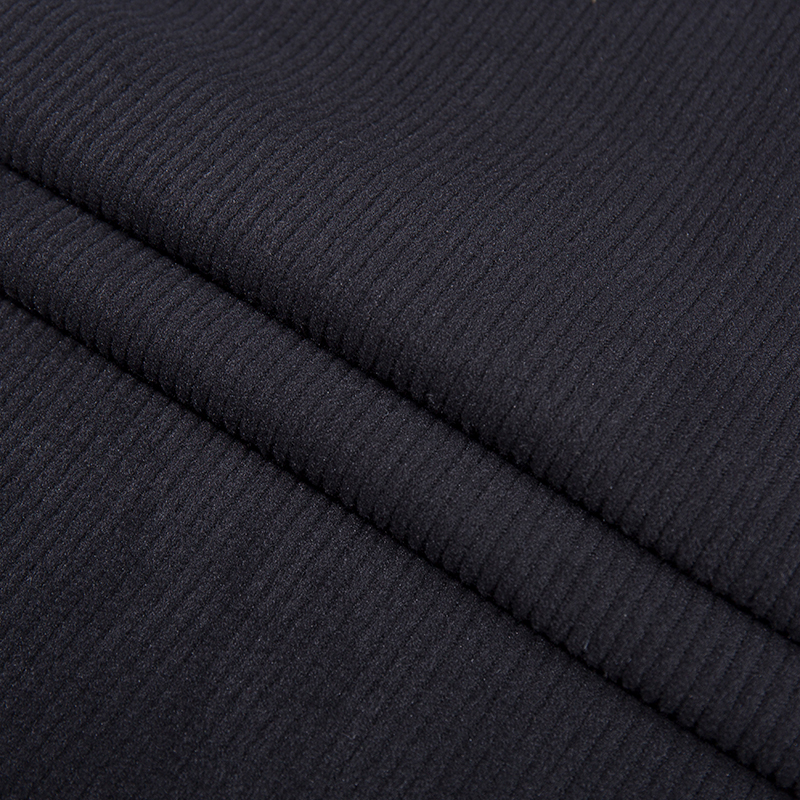
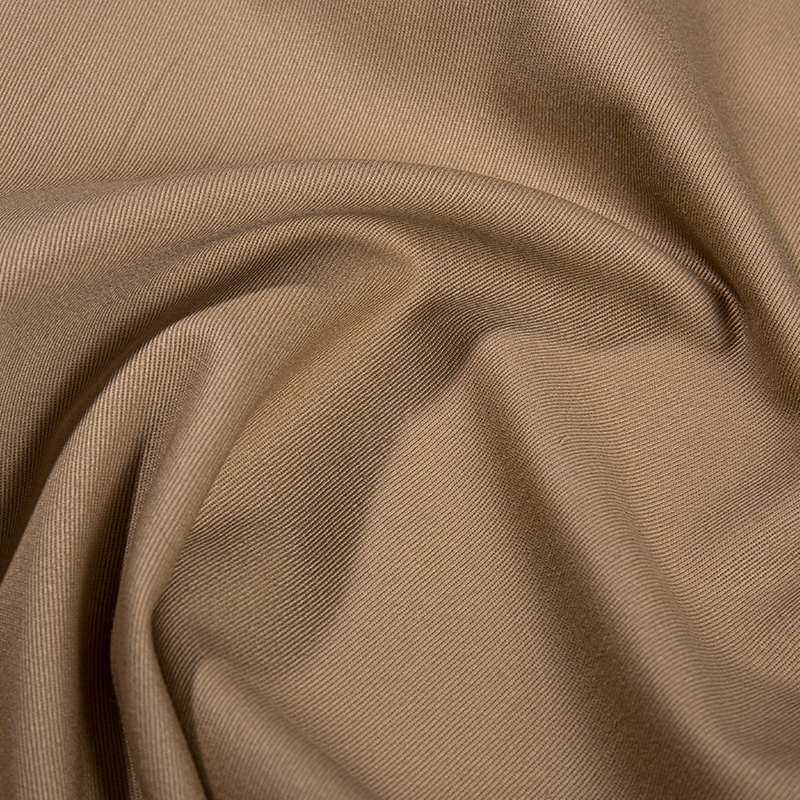
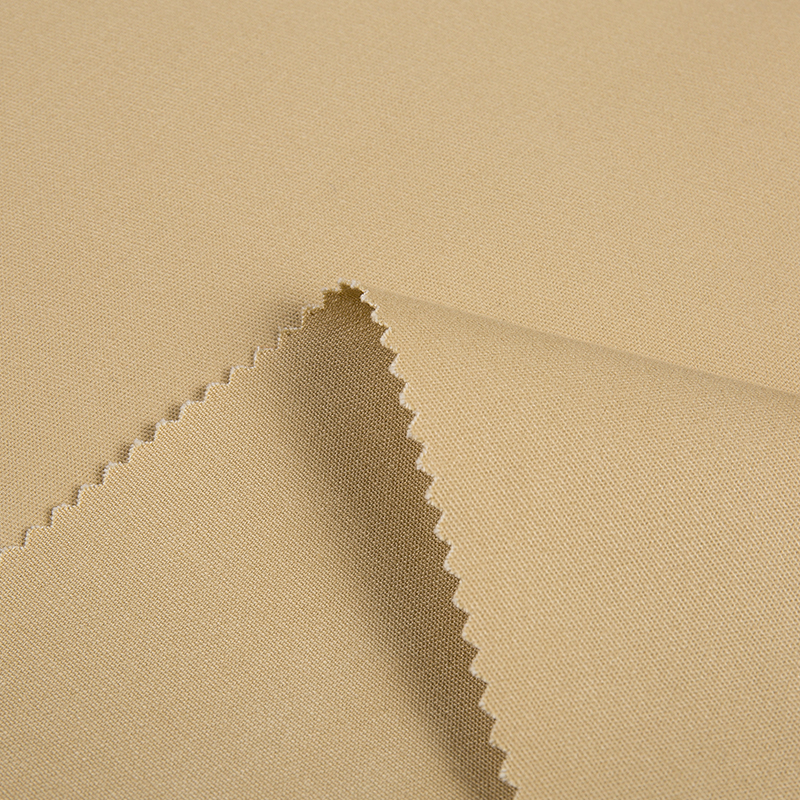
Performance textiles can be produced using different construction methods. Knitted fabrics are commonly used for sportswear because their looped structure can provide stretch and flexibility. Depending on the design, they may be suitable for athletic tops, leggings, base layers, and lightweight uniforms.
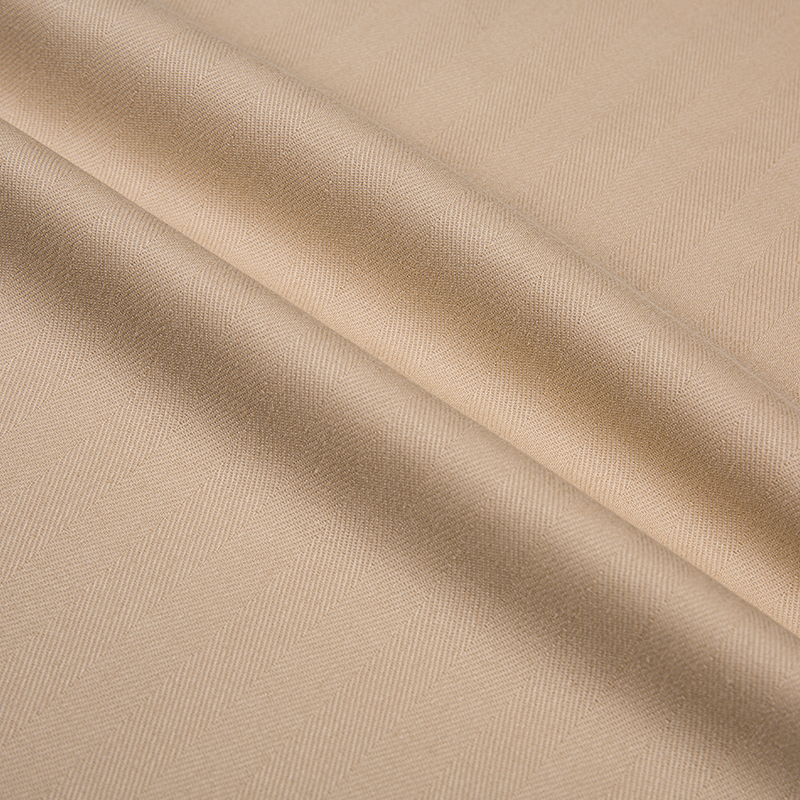
Woven fabrics use interlaced yarns and generally have a different structure and dimensional behavior. Their suitability depends on the intended garment, the required fit, and the specifications of the finished textile.
Coolmax Fabric is available in different textile constructions, depending on the supplier and product range. Buyers should confirm whether the available material is knitted or woven and review the actual specifications before choosing it for production.
Fabric construction also influences drape, surface texture, airflow, and garment shape. These factors are relevant when a textile must balance moisture management with a particular appearance or fit.
Fabric Weight, Stretch, and Composition
Fabric weight is commonly expressed in grams per square meter (GSM). It helps buyers compare the mass of different textiles, although it does not independently determine thickness, breathability, or comfort.
Stretch is another important consideration, particularly for fitted sportswear. Some fabrics combine polyester with elastane to provide additional elasticity, while others rely primarily on their knit structure for flexibility.
Buyers should also distinguish between fabrics made entirely from specially engineered polyester fibers and blended materials containing other fibers. The composition affects the fabric's characteristics and may influence the garment's design and production requirements.
When sourcing Coolmax Fabric, procurement teams should confirm the fiber composition, GSM, usable width, color options, stretch characteristics, and applicable testing information. Clear specifications make it easier to compare materials from different suppliers.
Turning Fabric Specifications Into Product Decisions
Choosing a performance textile involves more than identifying a fiber name. Garment structure, production methods, intended use, and target customer requirements all influence the final decision.
For textile wholesalers and apparel manufacturers, Coolmax Fabric should be assessed through its documented composition, construction, and moisture-management characteristics. By comparing these factors with the requirements of the planned garment, businesses can select a material that fits their production process and product positioning.
 Add: Beside National Highway 330, Zhuge Town, Lanxi City, Zhejiang Province, China
 Phone: +86-579-89022355

