 EN
EN English
 中文简体
中文简体 Español
 عربى
عربى Indonesia


Dyeing fabric serves as a core step in transforming plain textiles into colored materials used across clothing, furnishings, and industrial applications. The process involves applying dyes to fibers or finished fabrics to achieve desired shades and patterns. Manufacturers and processors rely on dyeing fabric techniques to meet specifications for various end uses while maintaining material integrity during production cycles.
Methods Used in Dyeing Fabric Processes
Dyeing fabric operations employ several established methods depending on the fiber type and desired outcome. Exhaust dyeing places the fabric in a dye bath where color molecules attach to the fibers through controlled temperature and time. Continuous dyeing runs fabric through dye solutions and fixation units for high-volume processing. Piece dyeing treats completed garments or fabric lengths, while yarn dyeing colors threads before weaving or knitting. Each approach in dyeing fabric allows adjustment of parameters such as liquor ratio and agitation to support even color distribution across batches.
Fiber Types and Their Interaction with Dyeing Fabric
Different fibers respond uniquely during dyeing fabric stages. Cotton and other cellulosic materials often use reactive or direct dyes that form bonds with the fiber structure. Synthetic fibers like polyester require disperse dyes applied under higher temperatures to penetrate the material. Blended fabrics combining natural and synthetic fibers call for sequential or one-bath dyeing fabric procedures that address the characteristics of each component. Wool and silk, as protein fibers, work with acid dyes that attach through ionic interactions. These variations guide the selection of dyeing fabric conditions to achieve consistent results without compromising fabric strength.
Applications of Dyed Fabric in Apparel and Fashion
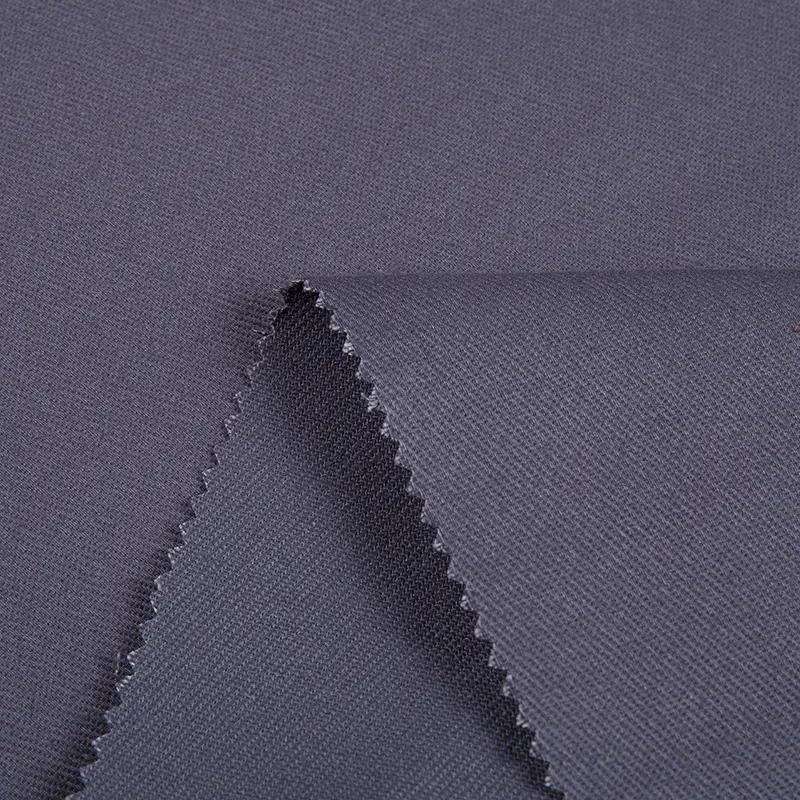
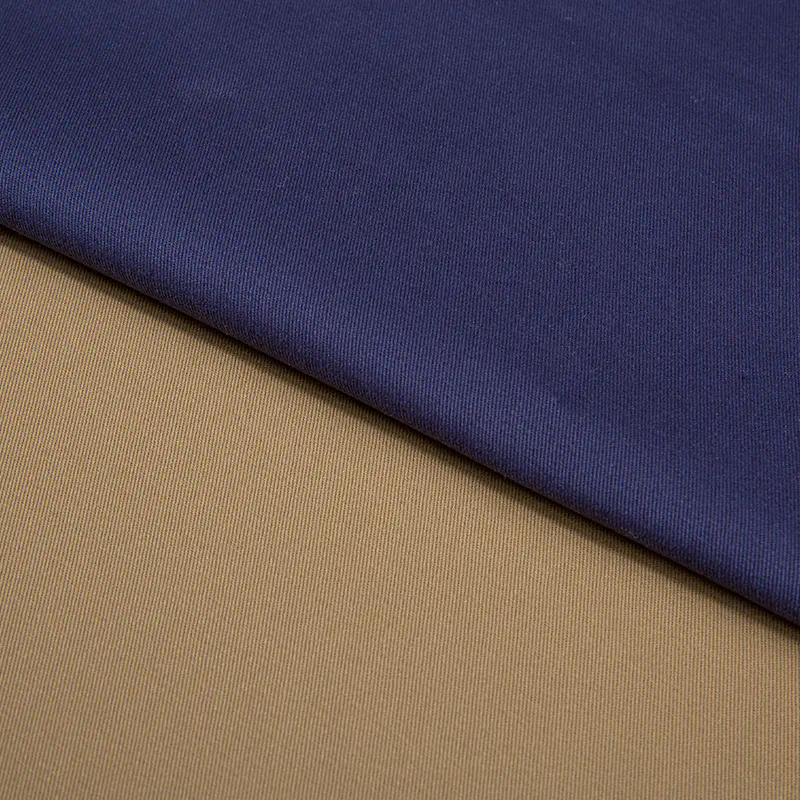
The apparel sector incorporates dyeing fabric at multiple production points to create garments in solid colors or complex patterns. Fashion lines use dyed fabric for everyday wear, active clothing, and seasonal collections where color plays a central role in design. Sportswear benefits from dyeing fabric processes that support colorfastness during movement and washing cycles. Uniform manufacturers apply dyeing fabric to produce coordinated sets for service industries. The resulting dyed fabric rolls feed into cutting and sewing lines, enabling efficient assembly of finished products distributed through retail channels.
Role of Dyeing Fabric in Home and Technical Textiles
Home textiles such as curtains, upholstery, and bedding rely on dyeing fabric to introduce color and design elements that coordinate with interior schemes. These applications often involve larger fabric widths processed through dyeing fabric equipment designed for scale. Technical textiles, including those used in automotive interiors or filtration media, undergo specialized dyeing fabric treatments to meet functional requirements alongside appearance needs. The process supports batch-to-batch consistency important for large projects like hotel furnishings or vehicle component covering.
Industrial Considerations in Dyeing Fabric Operations
Facilities handling dyeing fabric monitor process variables including dye concentration, pH levels, and heating rates to support repeatable outcomes. Machinery setups range from batch machines for smaller lots to continuous lines for extended runs. Color matching systems assist operators in aligning results with reference standards during dyeing fabric cycles. Quality checks after dyeing fabric focus on shade uniformity, penetration depth, and surface appearance. These steps help textile producers deliver materials that perform in downstream manufacturing stages across multiple sectors.
Dyeing fabric continues to form an essential link in the textile supply chain by enabling the creation of colored fabrics suited to diverse product categories. From fiber selection through process control, the steps involved contribute to the variety of textiles available for everyday and specialized uses. The combination of methods and material knowledge in dyeing fabric supports the production volumes required by global markets.
 Add: Beside National Highway 330, Zhuge Town, Lanxi City, Zhejiang Province, China
 Phone: +86-579-89022355

