 EN
EN English
 中文简体
中文简体 Español
 عربى
عربى Indonesia


Flame retardant fabric serves as a functional material in many products people encounter regularly. This type of textile receives treatment that helps slow the spread of flames when exposed to fire sources. Its presence in clothing, furnishings, and other items supports added layers of protection in living and working spaces.
Material Composition and Treatment
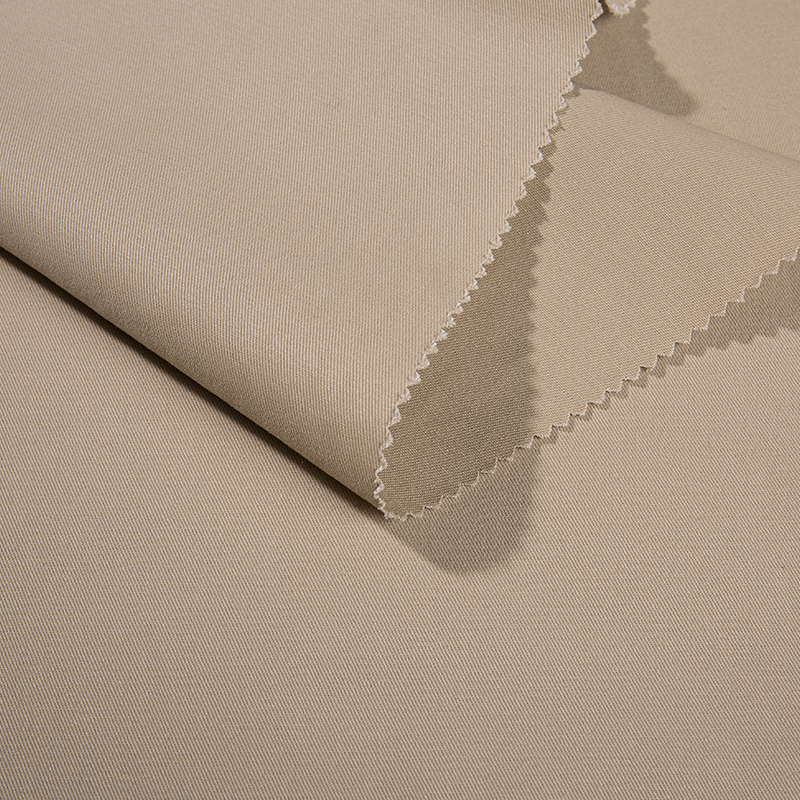
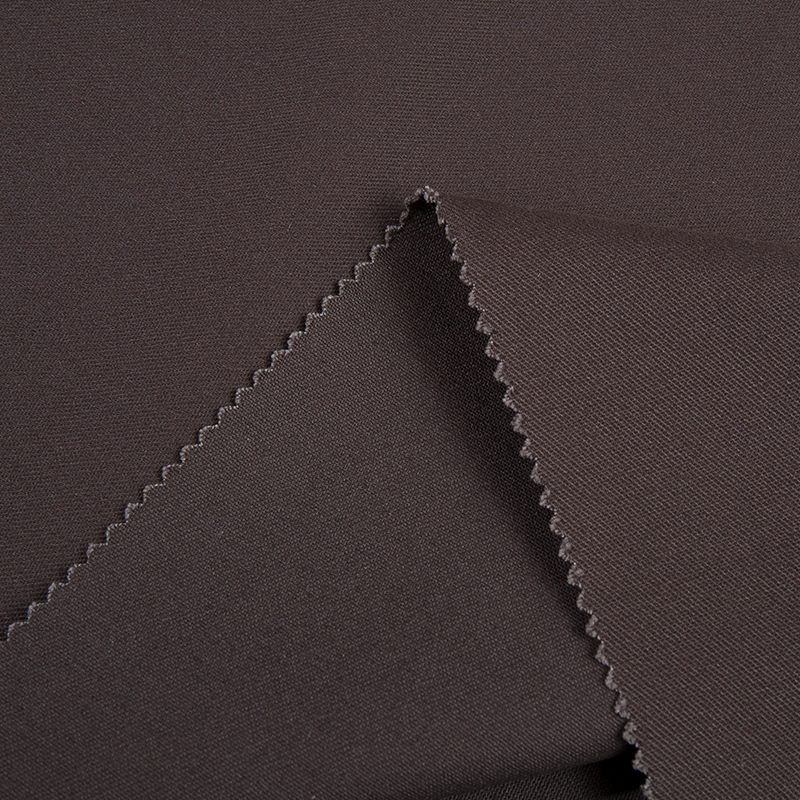
Flame retardant fabric often starts with base fibers such as cotton, polyester, or blends that receive chemical applications during production. The treatment integrates into the yarn or fabric structure to provide consistent performance. Different formulations allow the material to maintain flexibility and appearance after processing.
This approach results in textiles that feel similar to untreated versions while offering their functional properties. Manufacturers adjust the weight and weave to suit specific end uses, from lightweight apparel to heavier upholstery applications. The fabric retains its texture and color options across various product categories.
Applications in Clothing and Apparel
Clothing made with flame retardant fabric appears in work uniforms for industrial settings and certain children's garments. The material supports everyday wear while providing its special characteristics during potential exposure situations. Outerwear and sleepwear sometimes incorporate the fabric for additional coverage.
The garments allow movement and comfort similar to standard clothing items. Users benefit from the fabric in occupations that involve higher activity around heat sources. The integration into apparel creates pieces that fit naturally into daily routines without noticeable differences in feel or fit.
Role in Home Furnishings
Curtains, upholstery, and bedding items frequently use flame retardant fabric to cover furniture and windows in residential spaces. The material helps cover sofas, chairs, and mattresses with a functional layer. Wall coverings and decorative accents also draw on this textile for coordinated room designs.
Households select these items for living rooms, bedrooms, and other areas where fabric surfaces are prominent. The fabric blends with interior styles through available patterns and colors. Its use contributes to the overall setup of comfortable living environments.
Uses in Public and Commercial Spaces
Public buildings, hotels, and offices incorporate flame retardant fabric in seating, draperies, and partition materials. The textile supports high-traffic areas where durability matters alongside its functional properties. Transportation seating in vehicles and aircraft sometimes features similar materials.
These applications help equip spaces used by many people daily. The fabric maintains appearance under regular cleaning and use in busy environments. Its selection supports consistent material choices across large installations and multiple locations.
Performance Characteristics
Flame retardant fabric resists ignition and slows flame progression when exposed to heat sources. The material often self-extinguishes once the heat source removes, limiting damage spread. It maintains these properties through normal use cycles in its intended applications.
Testing during production helps ensure the fabric meets requirements for different product categories. The textile continues to provide its characteristics while offering comfort and visual appeal. This balance makes it suitable for integration into items people use regularly.
Flame retardant fabric continues to serve as a useful material across clothing, home goods, and commercial products. Its combination of everyday functionality and special properties supports a range of applications in daily life. The textile provides options for designers and manufacturers working on items for various environments and user needs.
 Add: Beside National Highway 330, Zhuge Town, Lanxi City, Zhejiang Province, China
 Phone: +86-579-89022355

