 EN
EN English
 中文简体
中文简体 Español
 عربى
عربى Indonesia


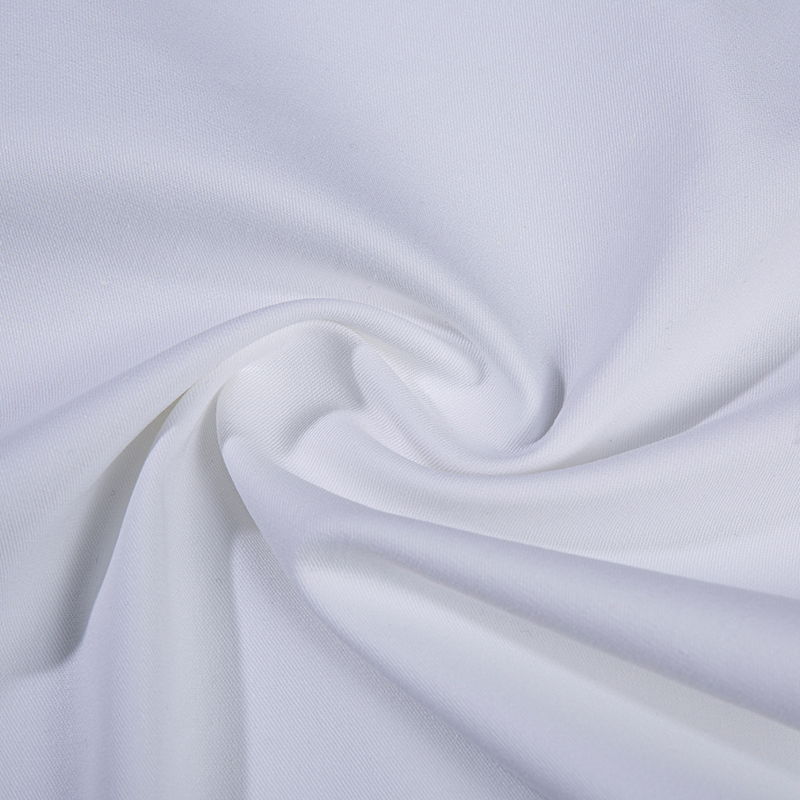
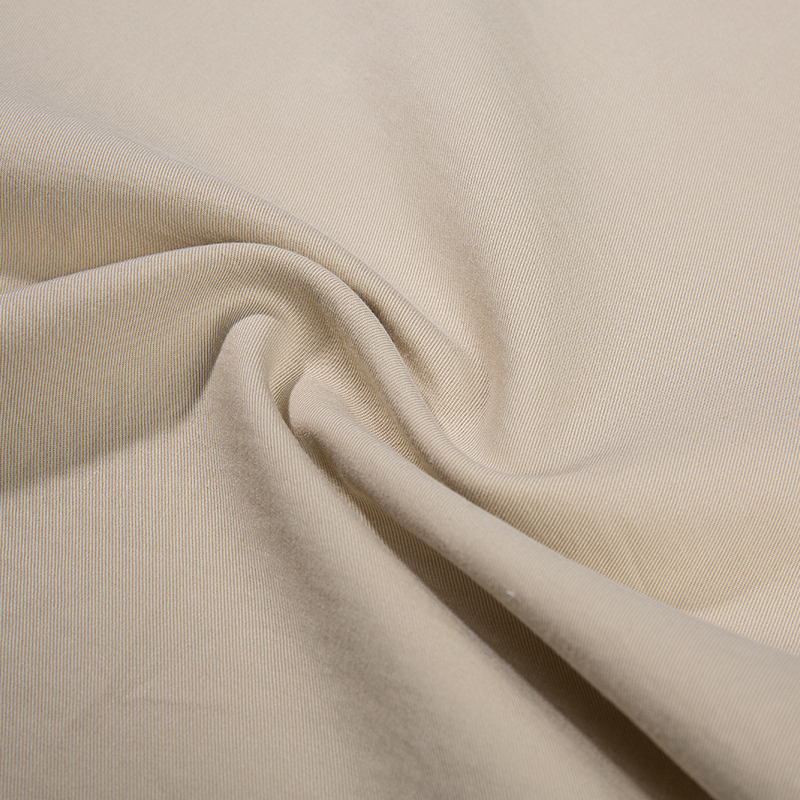
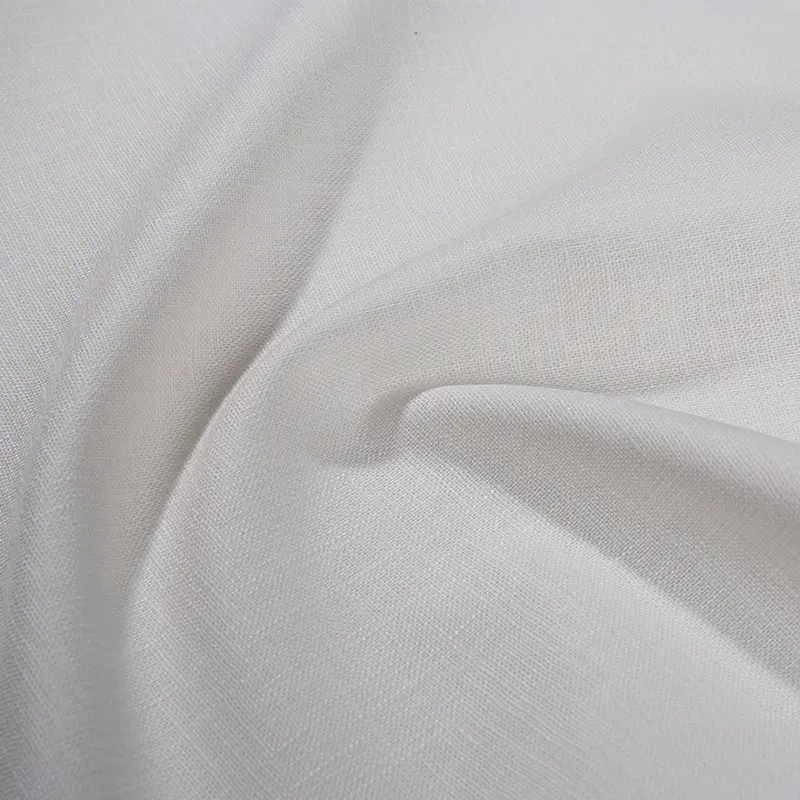
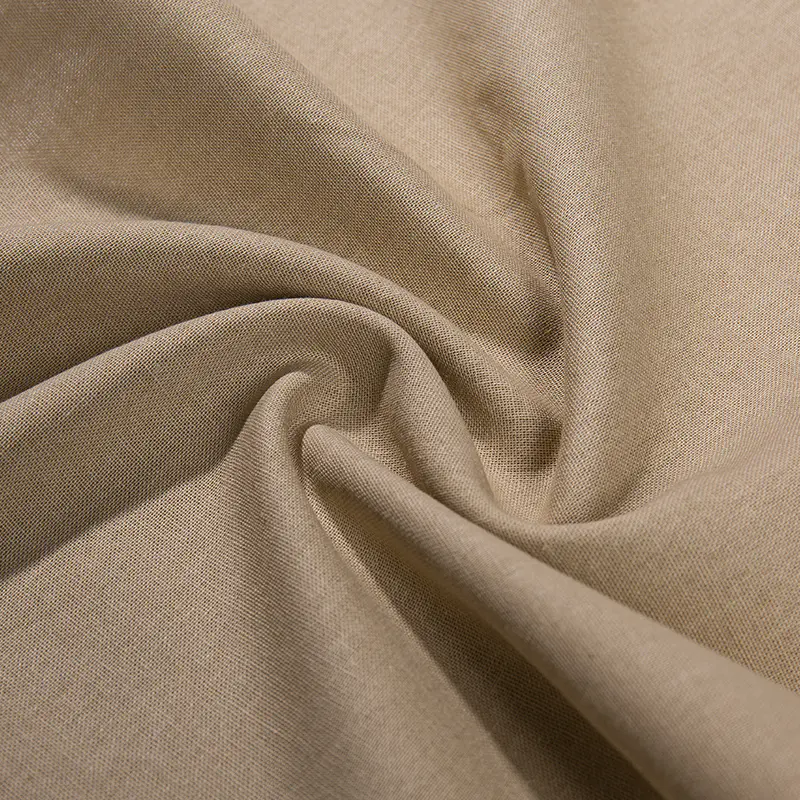
Walk through a light rain in the right jacket and the water just rolls off — that's water repellent fabric doing its job. This textile category is built to resist surface wetting and prevent moisture from soaking into the fiber structure, keeping garments and gear dry during exposure to rain, splashing, or damp conditions. It's worth distinguishing this from fully waterproof materials. Waterproof fabrics use sealed membrane layers to block all water penetration, while water repellent fabrics work differently — they cause water droplets to bead up on the surface and shed away rather than absorbing in. That difference matters because water repellent fabrics can still breathe, drape naturally, and stay lightweight, which is why they show up across such a wide range of products.
The science behind this comes down to surface energy. When the outer face of a fabric has low enough surface energy, water can't spread across the fibers. Instead it pulls together into droplets that roll off with movement or gravity. Achieving that effect requires either finishing treatments applied after the fabric is made, or the use of fiber types and yarn structures that naturally resist wetting.
Fabric Construction and Fiber Choices
The base fabric matters just as much as the treatment. A tightly woven fabric with high yarn count creates a denser physical structure that supports water beading and slows any moisture that does try to push through. Some common base fabrics in this category:
- Ripstop nylon and polyester: These lightweight synthetic weaves are workhorses for outerwear and outdoor gear. They take DWR treatments well and hold up through repeated use.
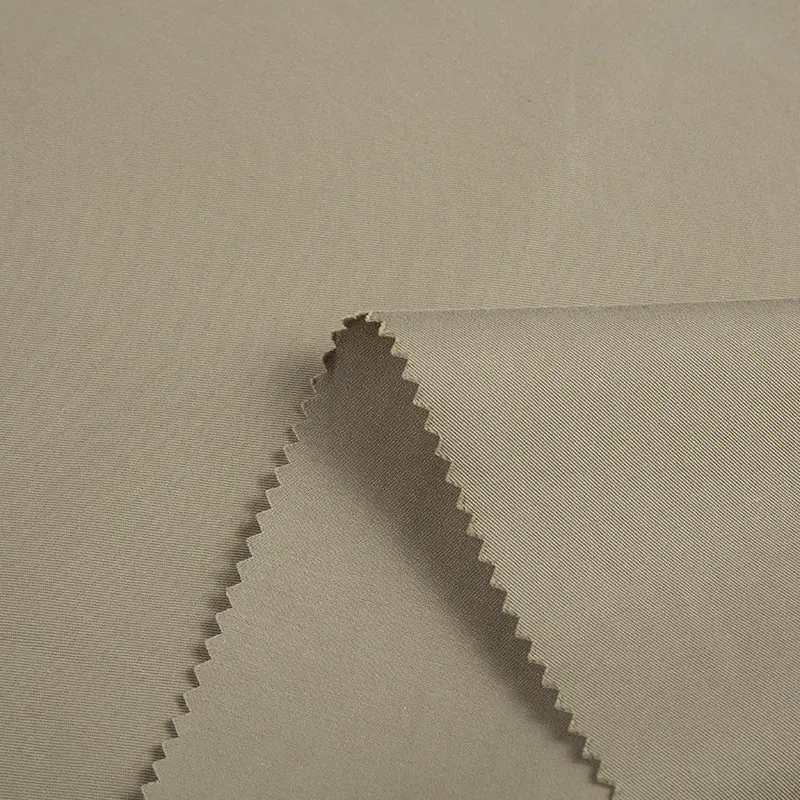
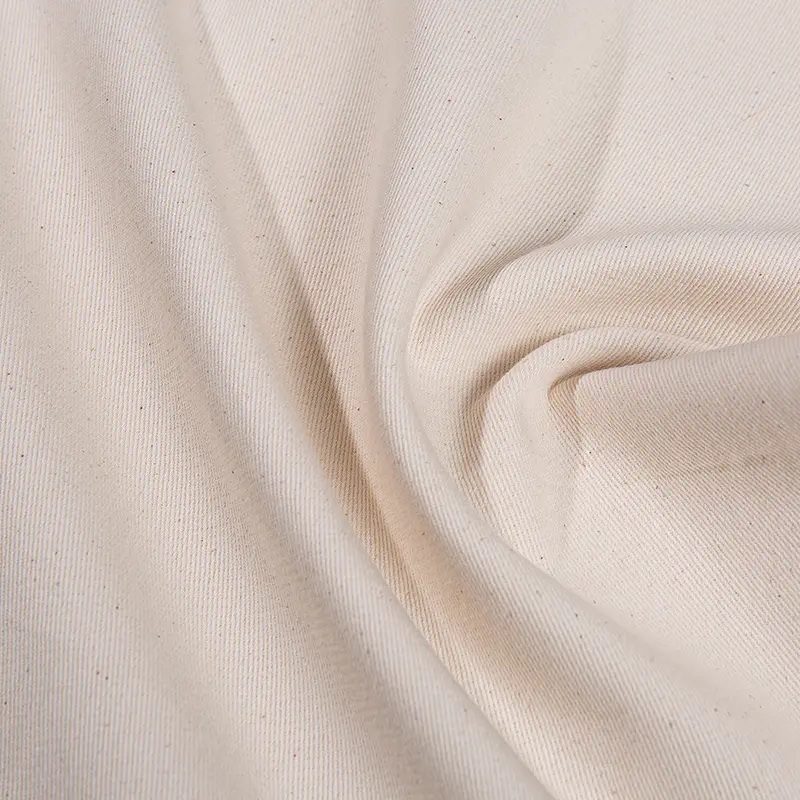
- Canvas and twill weaves: Heavier cotton or cotton-blend fabrics, often finished with wax or silicone, turn up in workwear, bags, and utility goods where a bit of extra weight is acceptable.
- Softshell fabrics: Stretch wovens or bonded knit constructions that pair a water repellent outer surface with a fleece or knit backing. Widely used in active outdoor clothing where comfort and movement matter alongside weather protection.
- Technical wovens: High-thread-count fabrics built for demanding performance targets in military, protective, and professional outdoor equipment contexts.
Where Water Repellent Fabric Gets Used
This material turns up across a surprisingly broad range of products:
- Outdoor apparel: Rain jackets, softshell coats, hiking pants, and ski wear sit at the center of this category. Repellency has to work alongside breathability and stretch.
- Bags and luggage: Backpacks, duffel bags, laptop sleeves, and travel accessories use water repellent fabrics to guard contents from rain and incidental moisture.
- Workwear: People working outdoors in construction, agriculture, and field services need garments that stay functional through wet conditions without becoming heavy and uncomfortable.
- Footwear uppers: Fabric shoe and boot uppers with water repellent finishes extend dry comfort when walking through rain or wet ground.
- Home and outdoor textiles: Cushion covers, outdoor tablecloths, umbrellas, and awning fabrics all benefit from treatments that shed rain and resist surface staining.
- Camping and recreational gear: Tent fly fabrics, sleeping bag shells, and stuff sacks rely on water repellent outer layers, often in combination with a waterproof membrane underneath.
Sourcing decisions around water repellent fabric generally involve weighing repellency rating, wash durability, fabric weight, breathability, and how well the construction fits the end product's demands. Getting that combination right is what separates a product that performs reliably in the field from one that disappoints after a few seasons.
 Add: Beside National Highway 330, Zhuge Town, Lanxi City, Zhejiang Province, China
 Phone: +86-579-89022355

