 EN
EN English
 中文简体
中文简体 Español
 عربى
عربى Indonesia


Rising Interest In Solid Fabric Applications
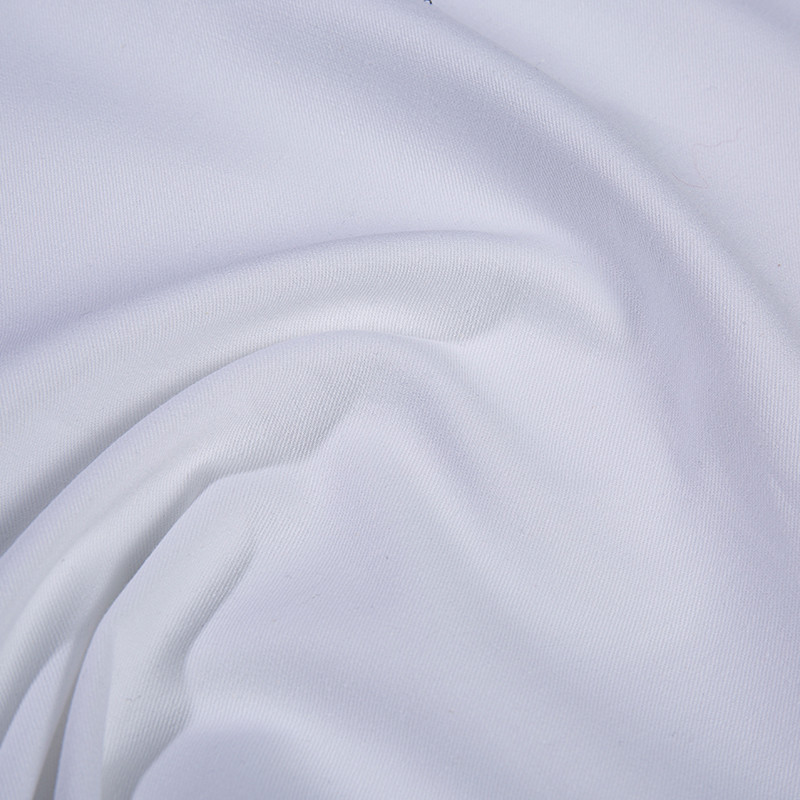
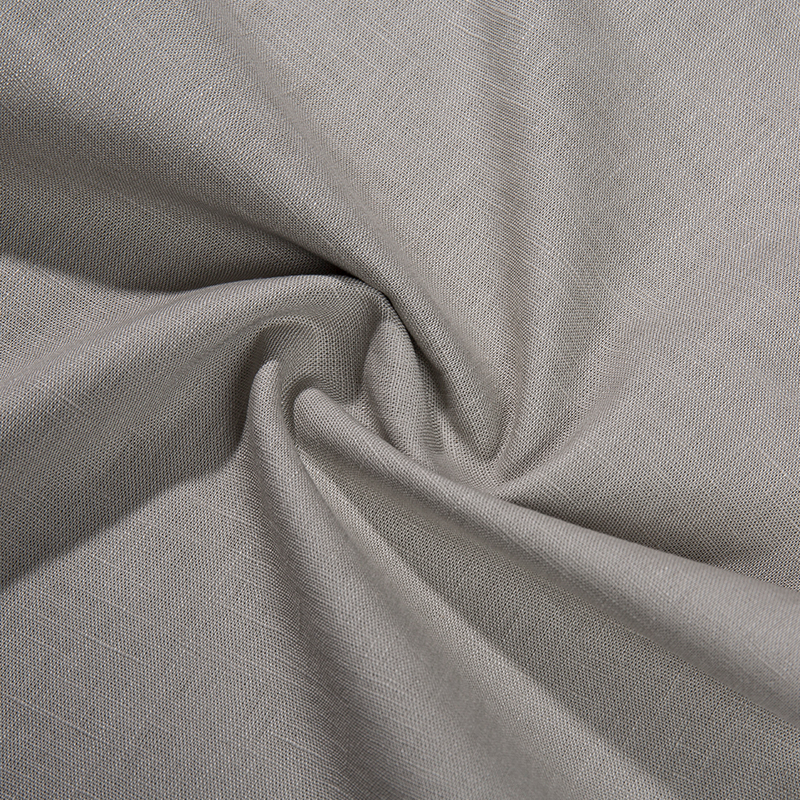
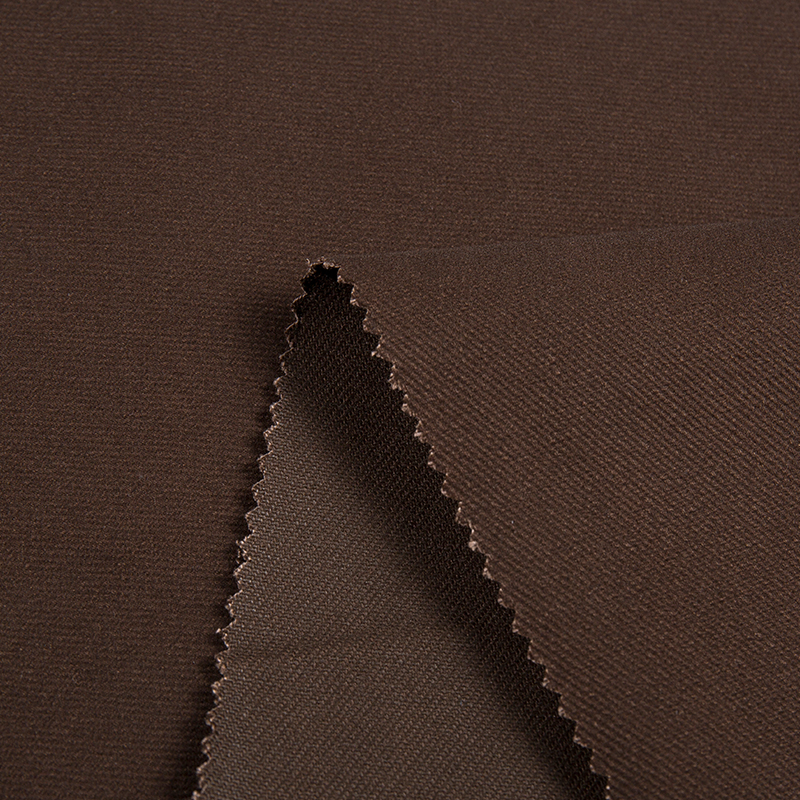
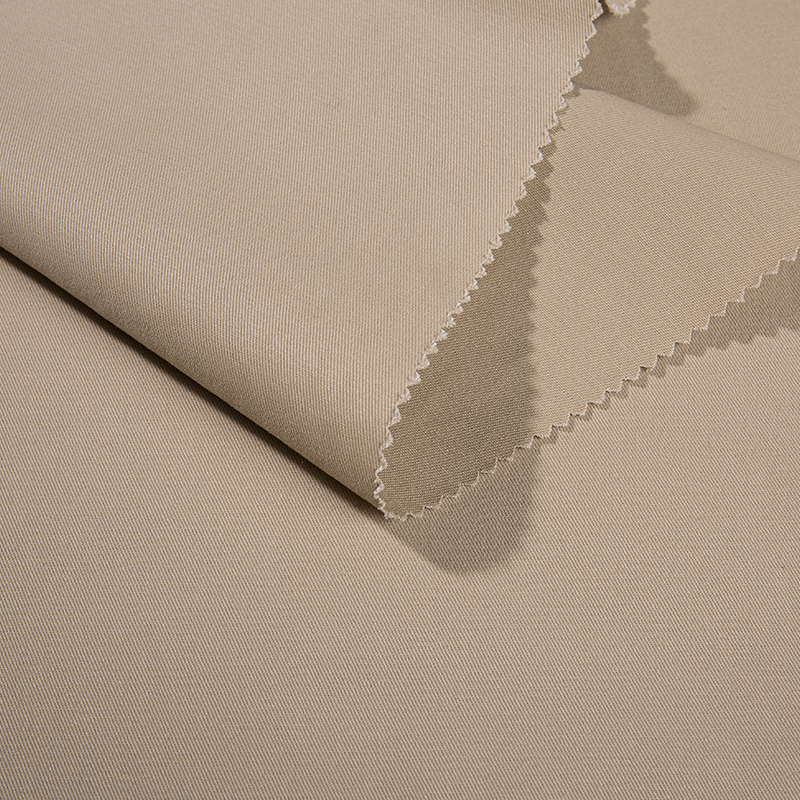
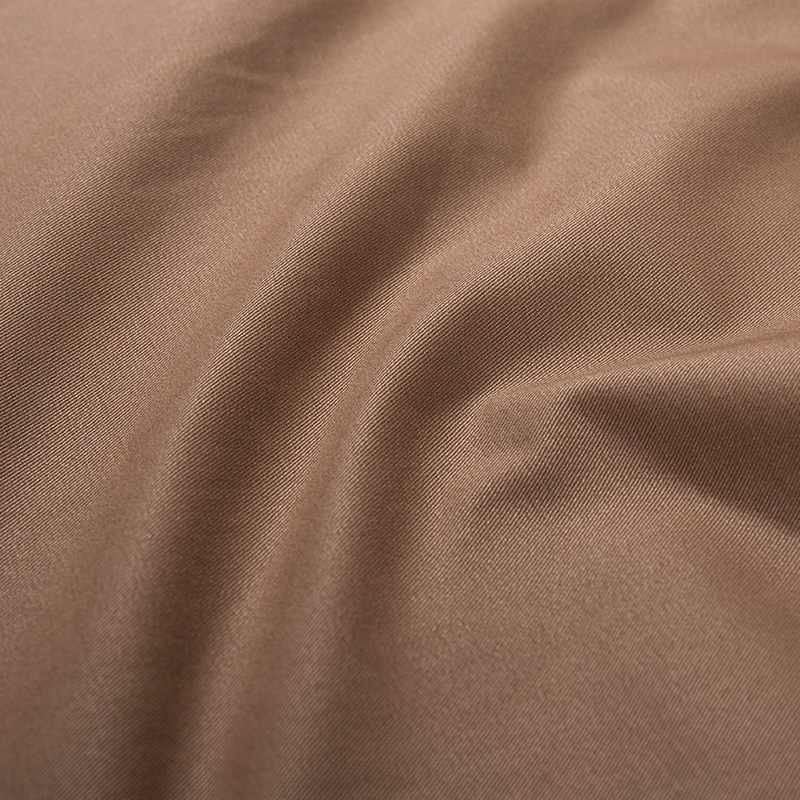
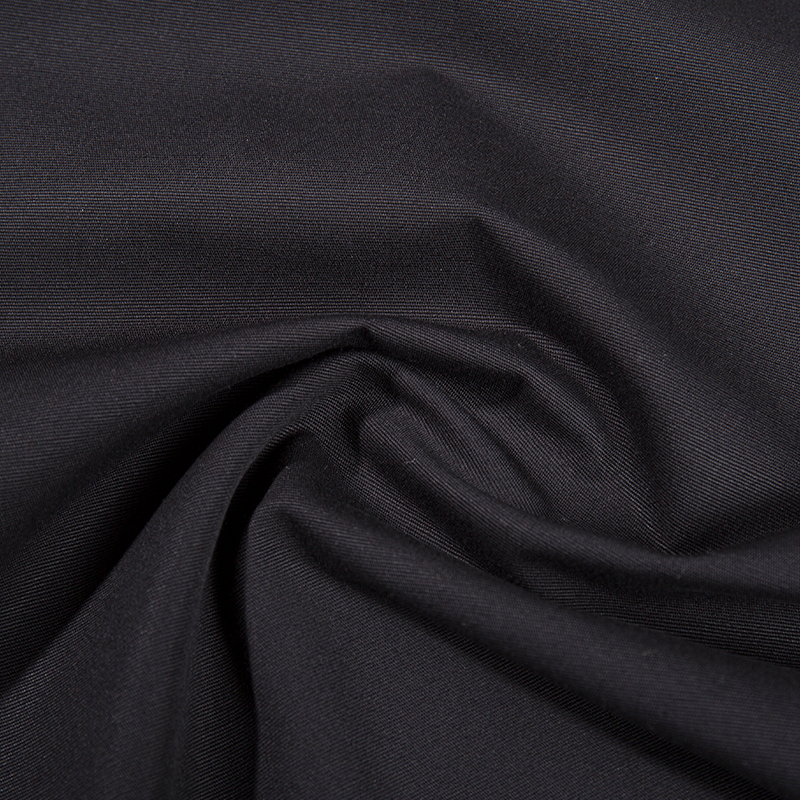
Solid Fabric has become an important material choice in many industries, including home decoration, furniture production, fashion products, and commercial applications. Its stable structure, smooth appearance, and flexible design possibilities allow manufacturers to create products that meet different user needs.
Unlike lightweight or highly decorative textile materials, Solid Fabric focuses on a balanced combination of texture, appearance, and practical performance. The material is often selected for projects that require a clear visual style and a comfortable surface feeling.
From furniture coverings to decorative items, Solid Fabric provides a simple yet attractive option. Its clean patterns and consistent colors make it easier for designers to create coordinated product styles for different spaces.
Material Characteristics Support Diverse Designs
One of the key features of Solid Fabric is its structured texture. The fabric surface usually maintains a steady appearance, helping finished products achieve a neat and organized look.
The material can be produced using different textile techniques, allowing manufacturers to create various thicknesses, textures, and surface effects. Some designs focus on a soft touch, while others emphasize a stronger fabric structure for specific applications.
Color selection is another important part of Solid Fabric design. Single-color fabrics can match different styles, from modern interiors to classic furniture concepts. Designers often use these fabrics as a foundation for creating visually balanced products.
Role Of Solid Fabric In Fashion And Accessories
Solid Fabric is also widely used in clothing and accessory design. Many designers choose single-color textiles because they provide flexibility in creating different styles.
Clothing made from Solid Fabric can feature simple shapes, detailed tailoring, or layered designs. The fabric allows designers to focus on cuts, patterns, and overall structure without relying on complicated prints.
Accessories such as bags, covers, and textile products also benefit from Solid Fabric materials. The consistent color and texture create a coordinated appearance that fits various product concepts.
Manufacturing Processes Behind Solid Fabric
The production of Solid Fabric involves several stages, including fiber selection, weaving or knitting, coloring, and finishing processes. Each step influences the final texture, appearance, and application features.
Manufacturers often adjust fabric structures according to different product requirements. Changes in yarn type, weaving methods, and surface treatments can create materials suitable for furniture, clothing, or decorative purposes.
Modern production equipment also helps improve consistency during textile manufacturing. Precise processes allow fabrics to maintain similar colors, textures, and surface characteristics across different production batches.
Customization Creates More Product Options
Customization has become an important factor in Solid Fabric applications. Different industries may require specific colors, textures, widths, or thickness levels to match their product designs.
Furniture brands may request fabrics that fit certain design themes, while fashion companies may need materials that support seasonal collections. Customized Solid Fabric solutions help manufacturers respond to different market requirements.
The ability to adjust fabric features also encourages creative product development. Designers can explore new combinations of texture, color, and structure to create unique products.
Solid Fabric Connects Function And Style
The growing use of Solid Fabric shows how textile materials continue to influence modern product design. Its balanced appearance, adaptable structure, and wide range of applications make it suitable for many industries.
From home furnishings to fashion items, Solid Fabric provides designers and manufacturers with a reliable material option for creating practical and attractive products. As user preferences continue to change, this fabric category remains an important part of textile innovation and creative design.
 Add: Beside National Highway 330, Zhuge Town, Lanxi City, Zhejiang Province, China
 Phone: +86-579-89022355

