 EN
EN English
 中文简体
中文简体 Español
 عربى
عربى Indonesia


Textile Innovation Supports Everyday Fashion
Shirt Fabric continues to play an important role in the apparel industry as manufacturers develop materials that balance comfort, appearance, and production efficiency. From business shirts to casual wear, the choice of fabric influences how a garment feels, drapes, and performs during daily use.
Consumer preferences have become increasingly diverse, encouraging textile producers to introduce fabrics with different textures, weights, and weaving styles. Designers are also exploring new material combinations that provide flexibility across changing fashion collections while maintaining consistent quality.
Fiber Selection Creates Different Fabric Characteristics
The performance of Shirt Fabric begins with fiber selection. Cotton continues to be widely used because of its soft hand feel and natural comfort. Polyester offers wrinkle resistance and dimensional stability, while viscose contributes a smooth surface and fluid drape.
Blended fabrics combine the strengths of multiple fibers, allowing manufacturers to create materials suited to different clothing applications. Cotton-polyester blends, for example, balance comfort with durability, while cotton-spandex combinations provide additional flexibility for active movement.
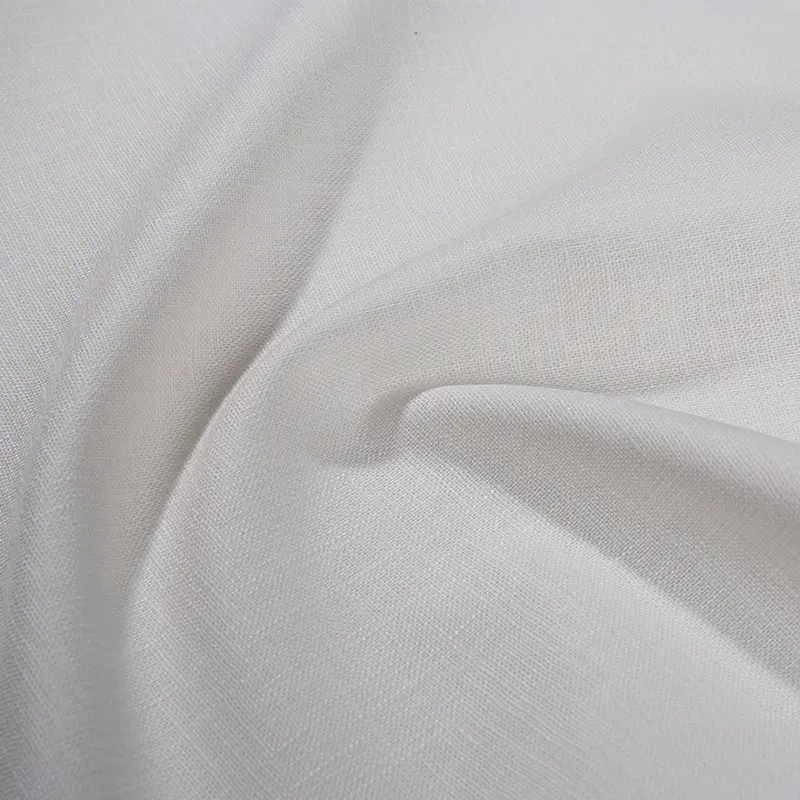
Linen and bamboo-derived fibers also appear in selected shirt collections, adding distinctive textures and visual appeal. Each fiber contributes unique characteristics that influence the finished garment's appearance and wearing experience.
By carefully selecting raw materials, textile manufacturers create Shirt Fabric suitable for business attire, casual clothing, uniforms, and fashion collections.
Weaving Techniques Define Texture and Appearance
Fabric construction has a significant influence on the final character of Shirt Fabric. Modern weaving technology allows manufacturers to produce a wide variety of textures and patterns that meet different design preferences.
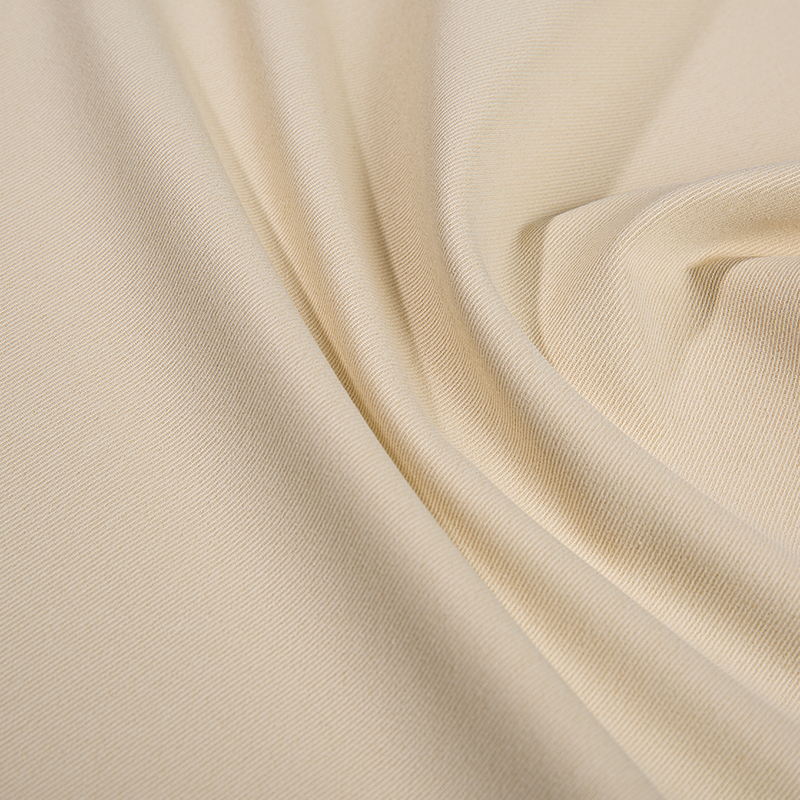
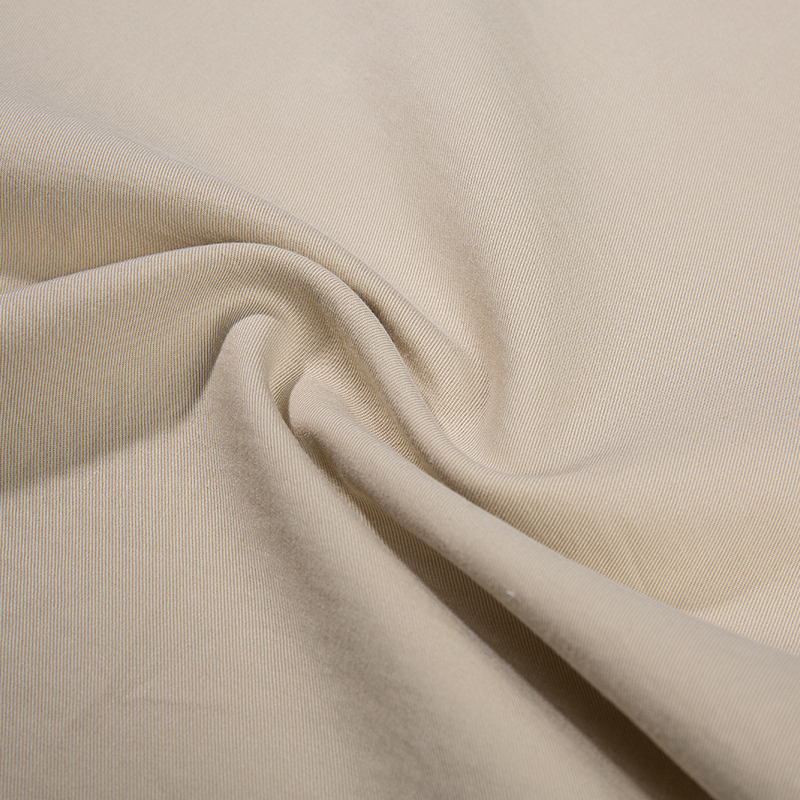
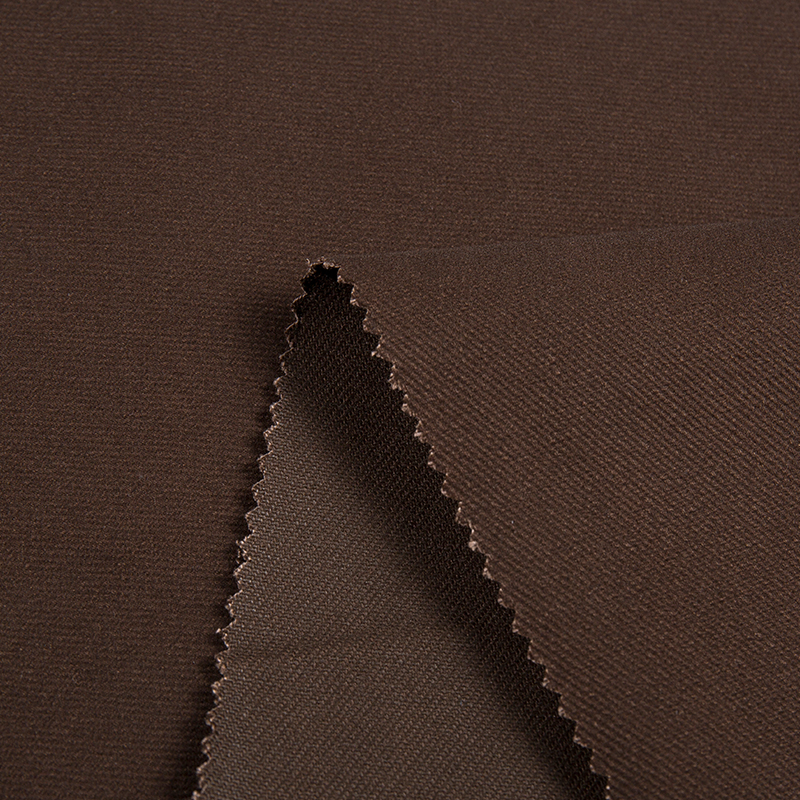
Plain weave fabrics are valued for their balanced structure and versatility. Twill weaves create subtle diagonal patterns that add visual depth while maintaining flexibility. Oxford fabrics feature a distinctive basket-like texture that has become popular for casual and business shirts. Poplin offers a smooth surface and crisp appearance, making it suitable for formal garments.
Jacquard weaving introduces decorative patterns directly into the fabric structure, allowing designers to create shirts with refined visual details. Digital design software enables weaving machines to produce intricate patterns with high consistency across production batches.
The diversity of weaving methods allows Shirt Fabric manufacturers to serve multiple clothing markets with varied design requirements.
Manufacturing Emphasizes Precision and Consistency
The production of Shirt Fabric combines advanced textile equipment with carefully controlled manufacturing processes. Fiber preparation begins with cleaning, blending, and spinning operations that produce uniform yarn suitable for weaving or knitting.
Modern weaving machines operate at high speeds while maintaining precise yarn tension and consistent fabric density. Automated monitoring systems detect irregularities during production, helping reduce defects before the fabric reaches later processing stages.
After weaving, fabrics undergo finishing operations that enhance texture, appearance, and dimensional stability. Dyeing equipment applies consistent color across large fabric rolls, while finishing treatments improve smoothness and overall presentation.
Quality inspection remains an important part of manufacturing. Fabric width, weight, color consistency, surface appearance, and structural integrity are evaluated before materials are prepared for garment production.
These production methods allow manufacturers to supply Shirt Fabric that meets the requirements of clothing brands serving different consumer markets.
Fashion Trends Encourage Material Diversity
Designers continue expanding the range of Shirt Fabric available for modern apparel collections. Neutral colors remain popular for professional clothing, while seasonal collections introduce brighter shades, printed patterns, and textured surfaces.
Several material characteristics receive growing attention during product development:
- Soft and comfortable texture
- Balanced fabric weight
- Smooth surface appearance
- Flexible drape
- Various woven patterns
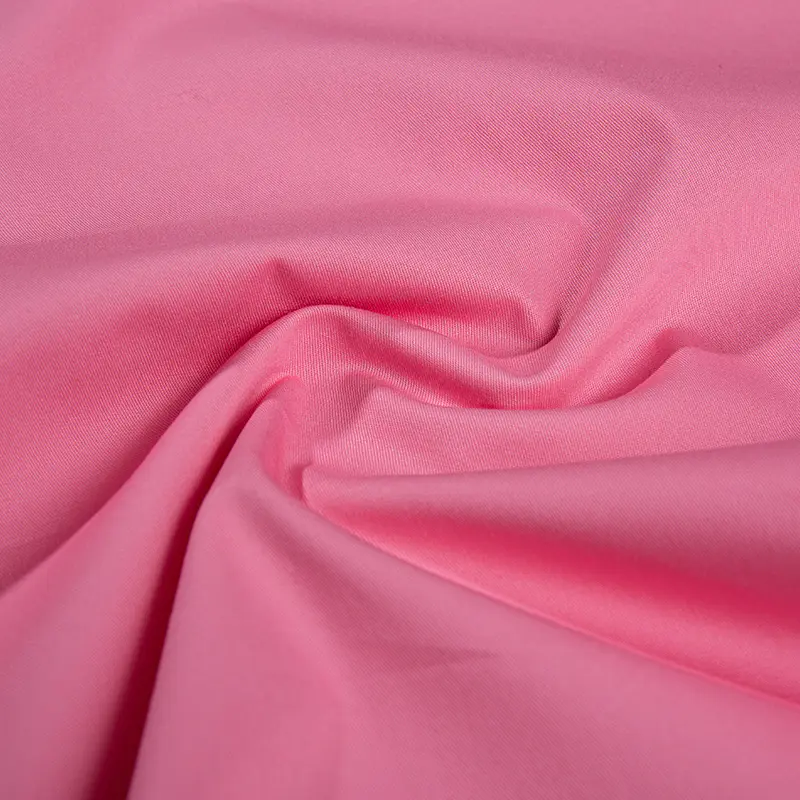
- Wide color selection
Digital textile printing has also broadened creative possibilities. Detailed graphics, geometric designs, floral patterns, and artistic textures can now be incorporated into shirt fabrics with consistent color reproduction.
 Add: Beside National Highway 330, Zhuge Town, Lanxi City, Zhejiang Province, China
 Phone: +86-579-89022355

