 EN
EN English
 中文简体
中文简体 Español
 عربى
عربى Indonesia


Businesses in the apparel and home goods sectors keep an eye on fiber options that support consistent quality and material efficiency. Recycle Rayon offers a way to incorporate regenerated cellulose with recycled content into production lines. It comes from processes that blend post-industrial or post-consumer textile waste with traditional pulp sources. This material serves B2B needs for fabric manufacturers looking for reliable volumes and familiar performance characteristics.
What Is Recycle Rayon
Recycled Rayon is a regenerated cellulosic fiber produced through variations of the viscose process that fold recycled textile inputs into the mix. It starts with cellulose sources, usually combining wood pulp with shredded cotton or rayon scraps pulled from garment cutting rooms or used clothing headed for reprocessing. The material goes through dissolution and spinning, turning into staple fibers or filaments suitable for yarn production down the line.
Suppliers provide it in different deniers and lengths to match spinning and weaving equipment already in place on a buyer's floor. Buyers in the textile industry tend to value its ability to slot into existing blends without requiring major changes to machinery setups, which saves time on the production side. It shows up often in orders for woven and knitted fabrics destined for shirts, dresses, linens, and upholstery, spanning a fairly wide range of end uses.
How Recycle Rayon Is Made
The production of Recycle Rayon follows steps similar to standard viscose but adds a sorting and preparation phase for recycled content. Collectors and processors break down textile waste into usable fibers or pulp. This material mixes with fresh cellulose, then undergoes chemical treatment to form a spinning solution. The solution passes through spinnerets to create fibers that are washed, dried, and cut.
This approach allows mills to maintain fiber quality while incorporating recycled elements. Production runs support large-scale orders typical in B2B contracts. Consistency in batch-to-batch performance helps procurement teams plan dyeing and finishing schedules more predictably.
Key Properties of Recycle Rayon
Procurement specialists often compare fiber specifications when selecting materials. Here is a summary of typical characteristics for Recycle Rayon based on standard regenerated cellulosic fibers:
| Property | Typical Range | Notes for Production |
| Tensile Strength (Dry) | 1.0 - 2.5 g/den | Suitable for apparel yarns |
| Tensile Strength (Wet) | 0.5 - 1.5 g/den | Requires careful wet processing |
| Moisture Absorption | High (around 11-13%) | Good for comfort in garments |
| Elongation | 10-20% | Provides drape in fabrics |
| Fiber Length | 28-40 mm (staple) | Compatible with cotton spinning systems |
These values help mills assess compatibility with their equipment and end-product requirements. The fiber dyes readily with standard reactive dyes, supporting efficient color matching for bulk orders.
Recycle Rayon in Apparel and Home Textiles
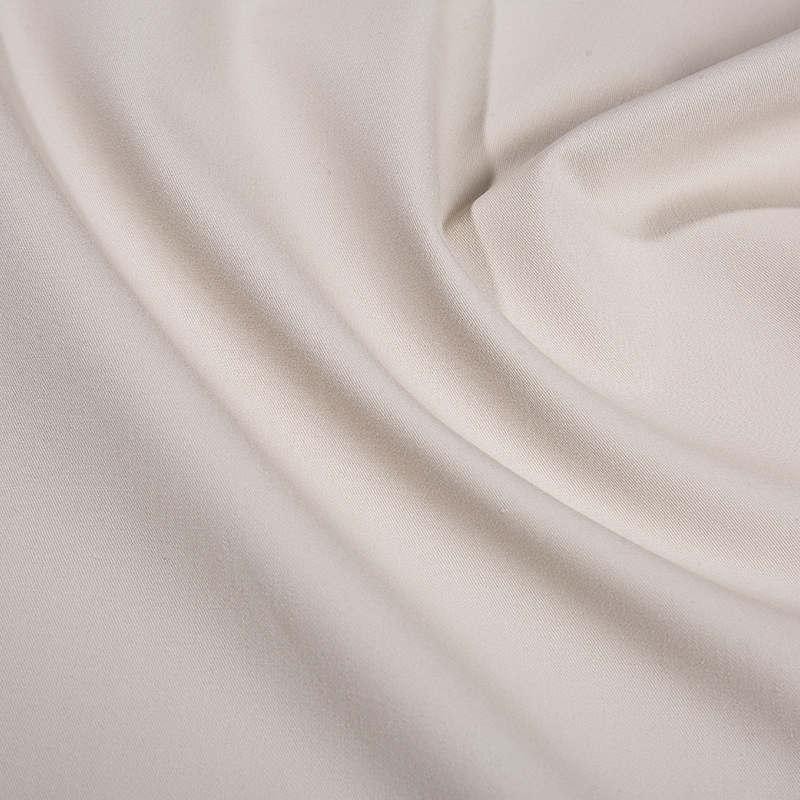
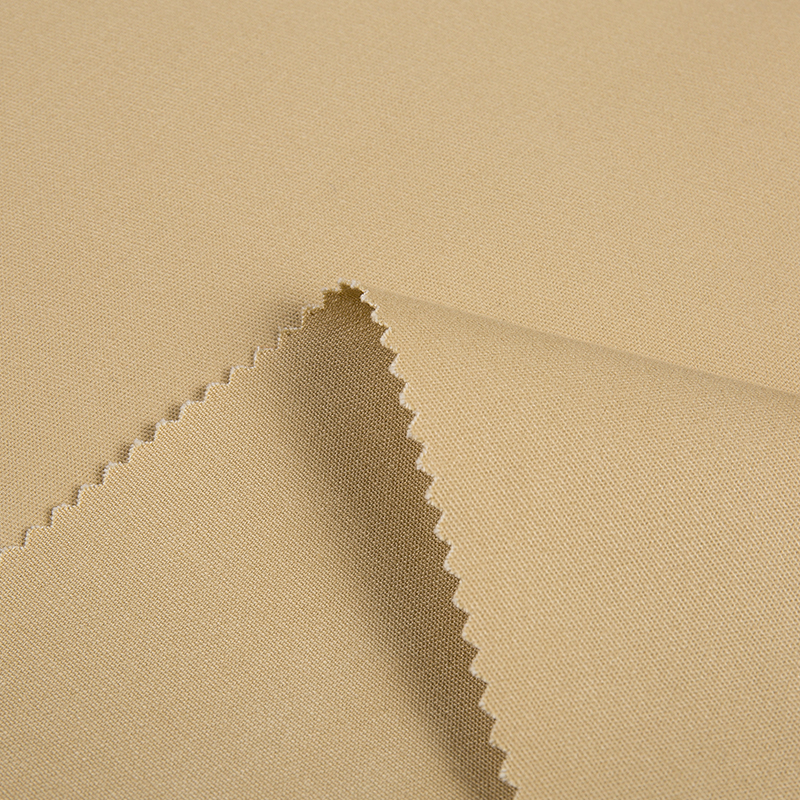
Manufacturers use Recycle Rayon in lightweight shirting fabrics, dress materials, and linings where softness and flow matter. It blends well with cotton or polyester for everyday wear collections. In home textiles, the fiber contributes to sheet sets, curtains, and table coverings that need good drape and breathability.
Bulk buyers appreciate the fiber’s role in jersey knits for loungewear and activewear components. It processes through standard cutting and sewing lines with minimal adjustments. Supply contracts often focus on steady availability for seasonal production runs in fashion and hospitality sectors.
- Supports smooth hand feel in finished garments
- Works in multi-fiber blends for added strength
- Enables variety in fabric weights from lightweight to medium
 Add: Beside National Highway 330, Zhuge Town, Lanxi City, Zhejiang Province, China
 Phone: +86-579-89022355

