 EN
EN English
 中文简体
中文简体 Español
 عربى
عربى Indonesia


Weaving factory is where raw yarns are transformed into fabric, the basic material for clothing, upholstery, industrial textiles, and countless other products. Inside a weaving factory, rows of looms interlace warp and weft threads at high speed, producing rolls of cloth that will be dyed, finished, and shipped to manufacturers around the world.
The primary process in a weaving factory is the interlacing of two sets of yarns. The warp yarns run lengthwise on the loom, held under tension. The weft yarns are inserted crosswise, passing over and under the warp yarns in a repeating pattern. The pattern of interlacing determines the weave structure: plain weave, twill, satin, or more complex designs. A modern weaving factory operates looms at speeds of 500 to 1,000 picks per minute, meaning hundreds of weft insertions every second.
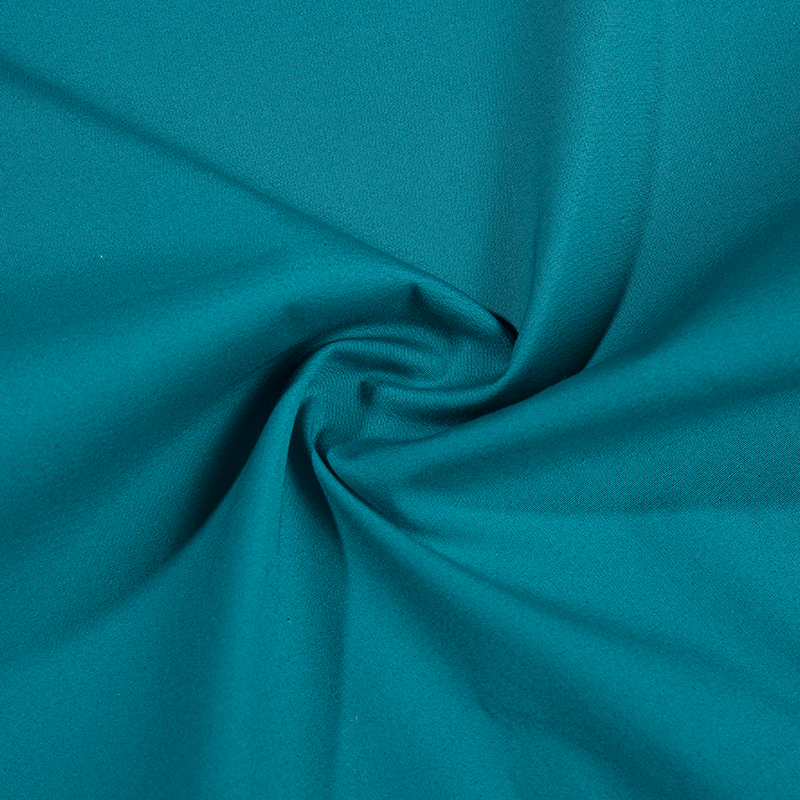
The preparation for weaving begins before the loom starts. Yarn is wound onto large beams that will feed the warp yarns to the loom. The warp yarns are sized, or coated with a protective starch, to reduce breakage during weaving. The weft yarns are wound onto small packages called quills or onto large cones for air-jet looms. In a well-organized weaving factory, preparation areas keep the looms supplied with yarn so production continues without interruption.
The types of looms in a weaving factory vary by speed and fabric type. Air-jet looms use a burst of compressed air to carry the weft yarn across the warp, making them very fast and suitable for lightweight to medium-weight fabrics. Water-jet looms use a jet of water for insertion, ideal for synthetic yarns that are not damaged by moisture. Rapier looms use a small arm or projectile to carry the weft across, handling a wider range of yarn types and weights than jet looms. Projectile looms use a small projectile to insert the weft, suitable for heavy fabrics and wide goods.
The quality control in a weaving factory is essential for producing usable fabric. Loom operators inspect fabric as it is woven, watching for broken ends, filling bars, or other defects. Automatic stop motions on each loom detect a broken warp or weft yarn and stop the loom immediately, preventing a long run of defective fabric. After weaving, inspectors examine the fabric on light tables, marking defects for repair or cutting. A weaving factory with strong quality control produces fabric with few defects, reducing waste for the customer.
The efficiency of a weaving factory is measured by loom utilization. A loom that is running produces fabric; a loom that is stopped for warp changes, repairs, or maintenance produces nothing. Efficient weaving factories schedule warp changes quickly, train operators to fix common problems, and maintain looms on a regular schedule to prevent breakdowns. A utilization rate of 85 to 90 percent is considered good for a weaving factory producing commodity fabrics. Higher-value fabrics may have lower utilization due to more frequent style changes.
For the textile industry, a weaving factory is where yarn becomes fabric, turning raw materials into the sheets, shirts, and upholstery that people use every day. The looms run continuously, the operators monitor quality, and the rolls of fabric ship out to customers around the world. From commodity cottons to high-tech industrial textiles, a weaving factory produces the cloth that underpins modern life.
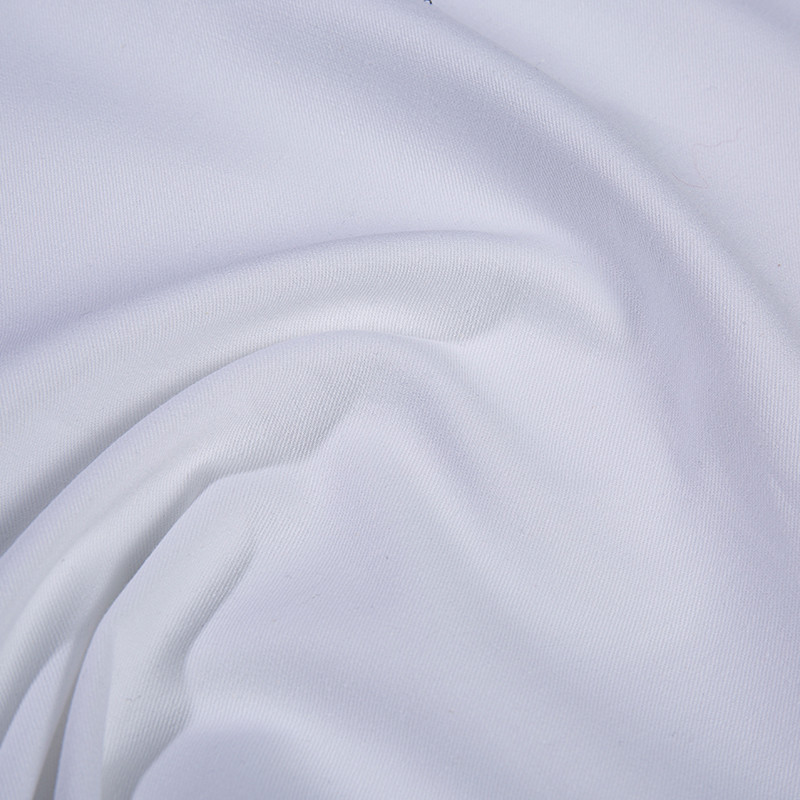
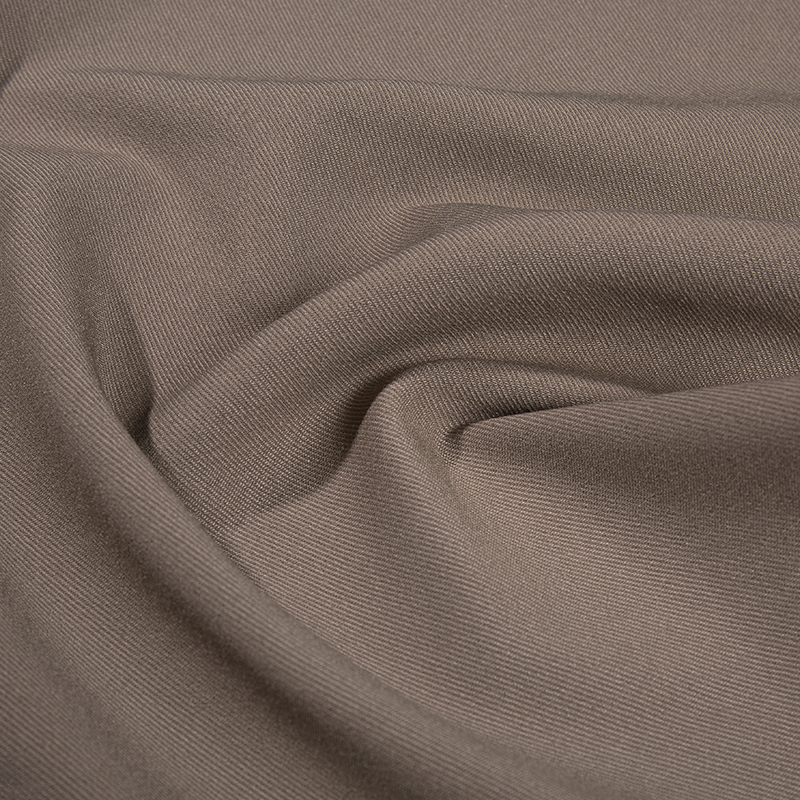
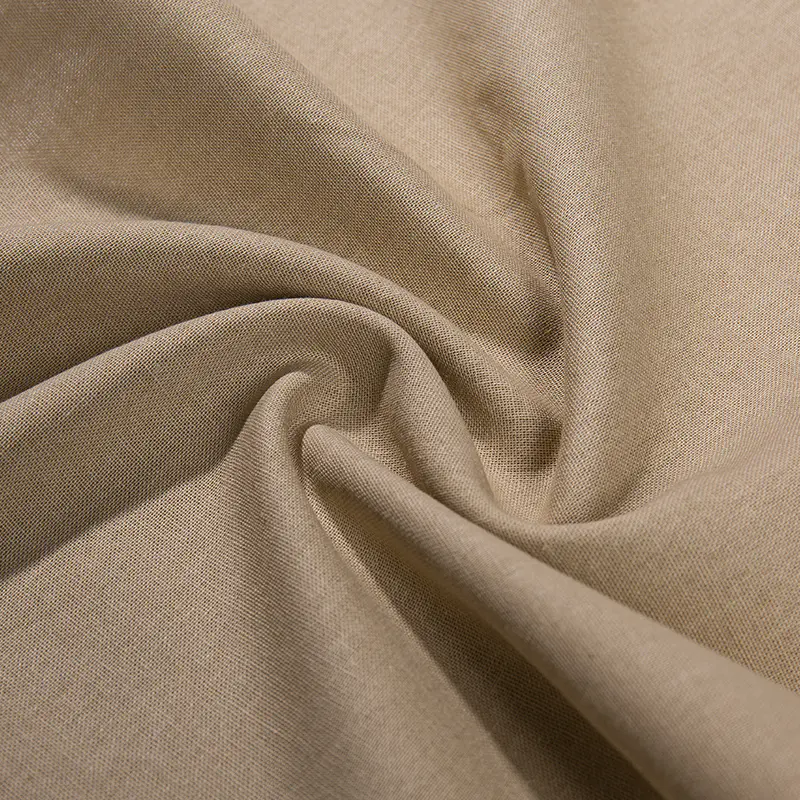
 Add: Beside National Highway 330, Zhuge Town, Lanxi City, Zhejiang Province, China
 Phone: +86-579-89022355

