 EN
EN English
 中文简体
中文简体 Español
 عربى
عربى Indonesia


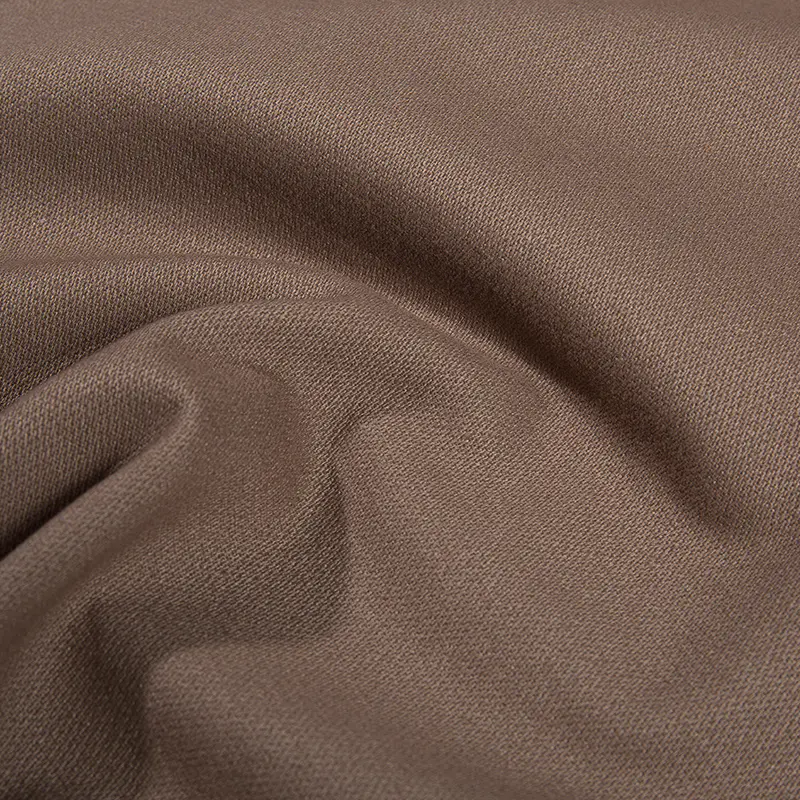
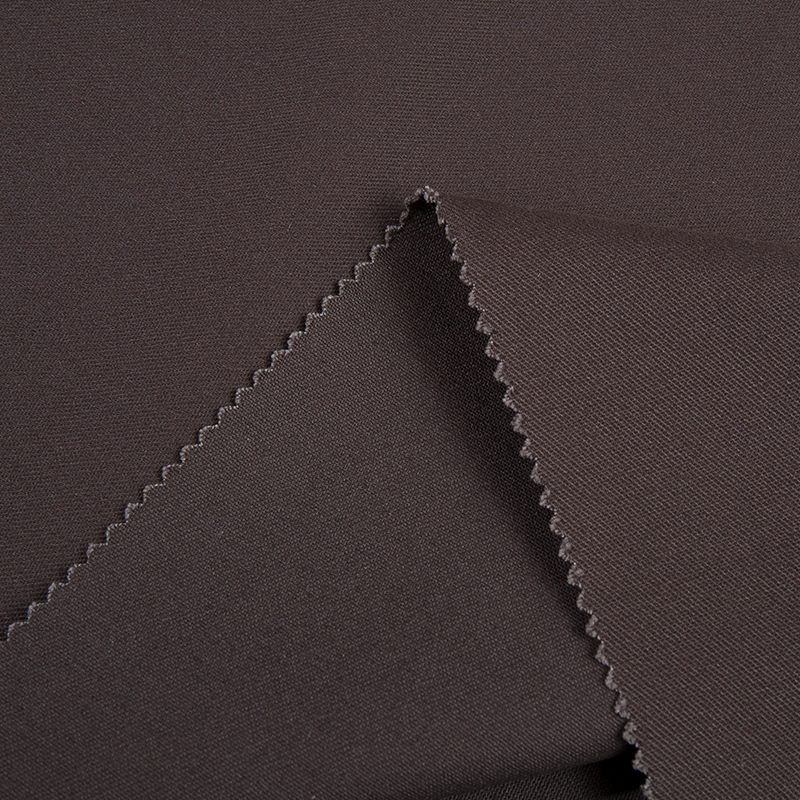
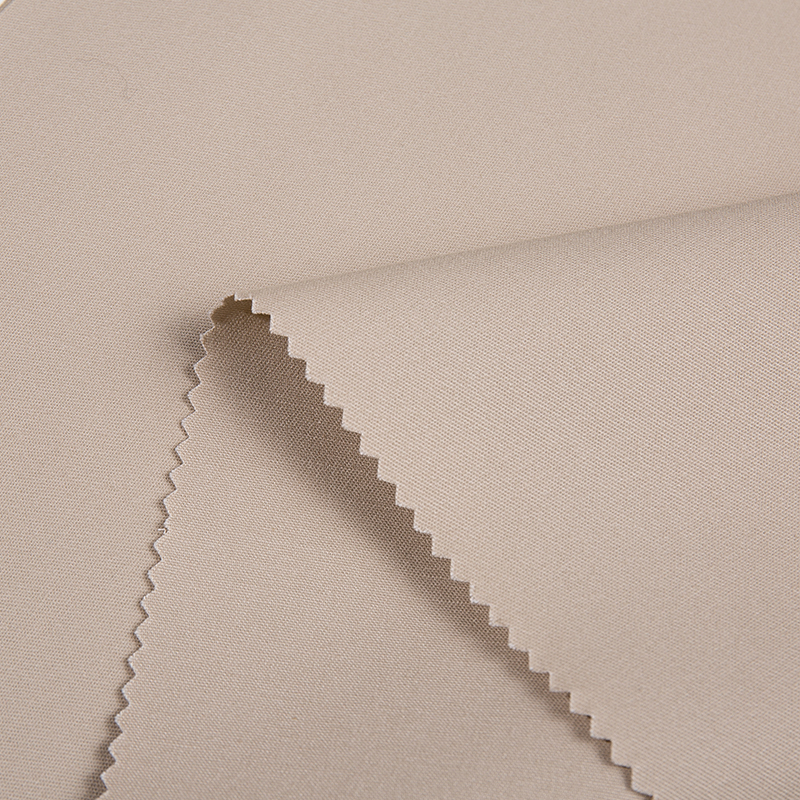
Solid fabric is a fundamental textile category used in countless applications, from clothing and upholstery to bags and industrial covers. Unlike patterned or printed fabrics, a solid fabric features a uniform color throughout its surface, offering simplicity, versatility, and a clean aesthetic that works in virtually any setting.
The primary advantage of a solid fabric is its versatility. A solid fabric in a neutral color such as black, white, gray, or beige complements any other color or pattern, making it a safe choice for upholstery, drapery, and apparel. A solid fabric in a bright color makes a bold statement without the visual complexity of a pattern. For manufacturers, keeping stock of solid fabrics in popular colors simplifies inventory management, as one solid fabric can be used across multiple product lines.
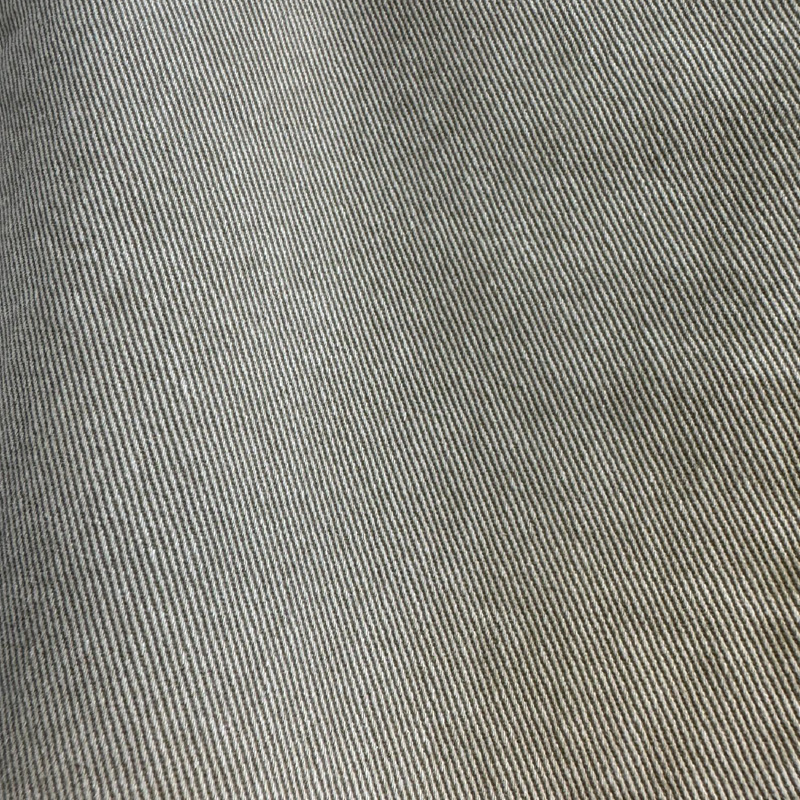
The color consistency of a solid fabric is important for quality. In a well-made solid fabric, the color is uniform from edge to edge and from roll to roll. Dye lots should match so that items produced from different rolls of the same solid fabric appear identical. This consistency matters for large projects such as hotel curtains, airline seating, or uniform production, where mismatched colors would be noticeable. Quality manufacturers test each batch of solid fabric to ensure colorfastness to light, washing, and rubbing.
The fiber content of a solid fabric determines its properties. Cotton solid fabric is soft, breathable, and comfortable against the skin, making it popular for t-shirts, sheets, and casual shirts. Polyester solid fabric is strong, wrinkle-resistant, and quick-drying, suitable for activewear, outdoor furniture, and bags. Nylon solid fabric is exceptionally strong and abrasion-resistant, used for backpacks, luggage, and outdoor gear. Blended solid fabrics combine the ideal properties of multiple fibers, such as cotton-polyester blends that offer softness and wrinkle resistance.
The weave or knit structure of a solid fabric affects its drape and durability. Woven solid fabrics have a crisp hand and hold their shape well, suitable for shirts, pants, and upholstery. Knitted solid fabrics stretch and recover, making them comfortable for activewear, t-shirts, and loungewear. The fabric weight, measured in grams per square meter or ounces per square yard, indicates how heavy and durable the solid fabric will be. Lightweight solid fabrics are suitable for summer clothing and linings. Heavyweight solid fabrics are used for outerwear, workwear, and upholstery.
The application of a solid fabric influences the selection of finish. A solid fabric for outdoor use should have UV resistance and water repellency. A solid fabric for upholstery should have abrasion resistance, often measured in Wyzenbeek or Martindale cycles. A solid fabric for bedding should be soft and breathable. A solid fabric for workwear should be durable and perhaps flame-resistant. The finish should match the end use without compromising the fabric’s other properties.
For designers, manufacturers, and home sewers alike, solid fabric provides a reliable foundation for countless projects. It works alone as a clean, simple statement or as a backdrop for patterns and prints. With consistent color, appropriate fiber content, and proper care, a solid fabric performs its role without distraction, letting the shape and function of the finished item take center stage.
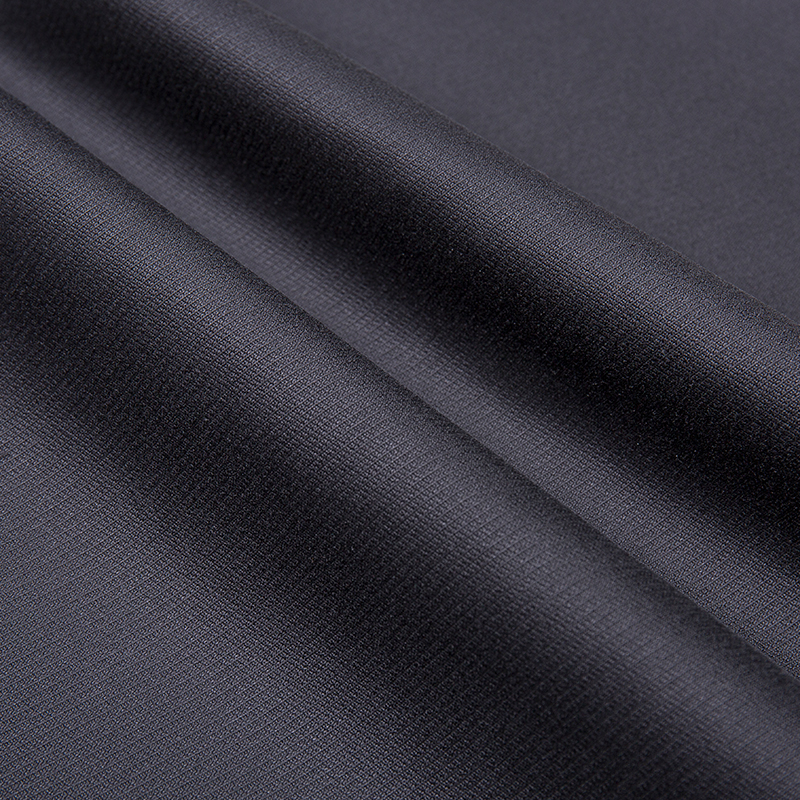
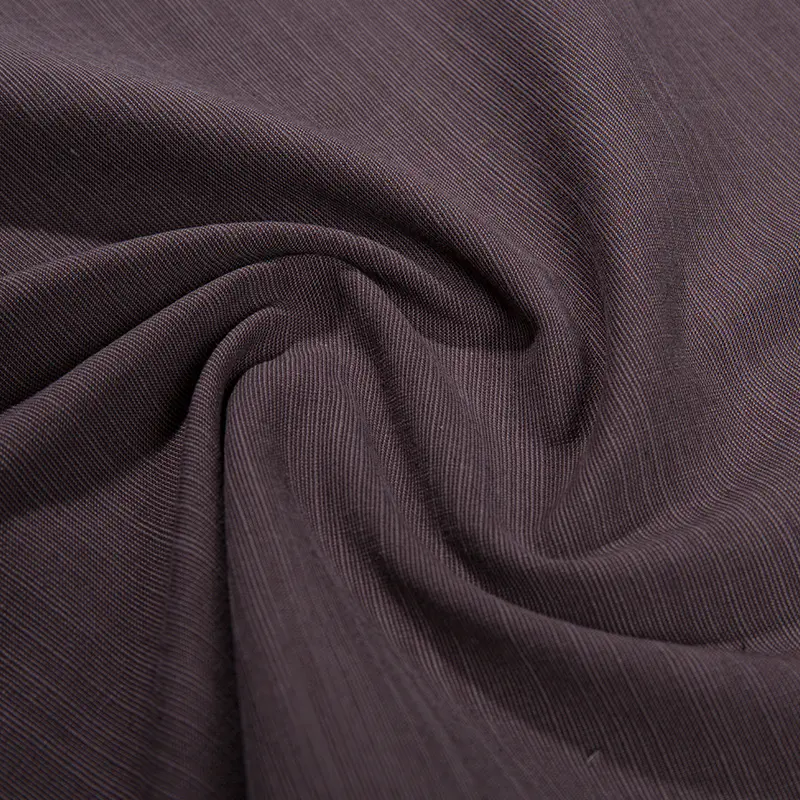
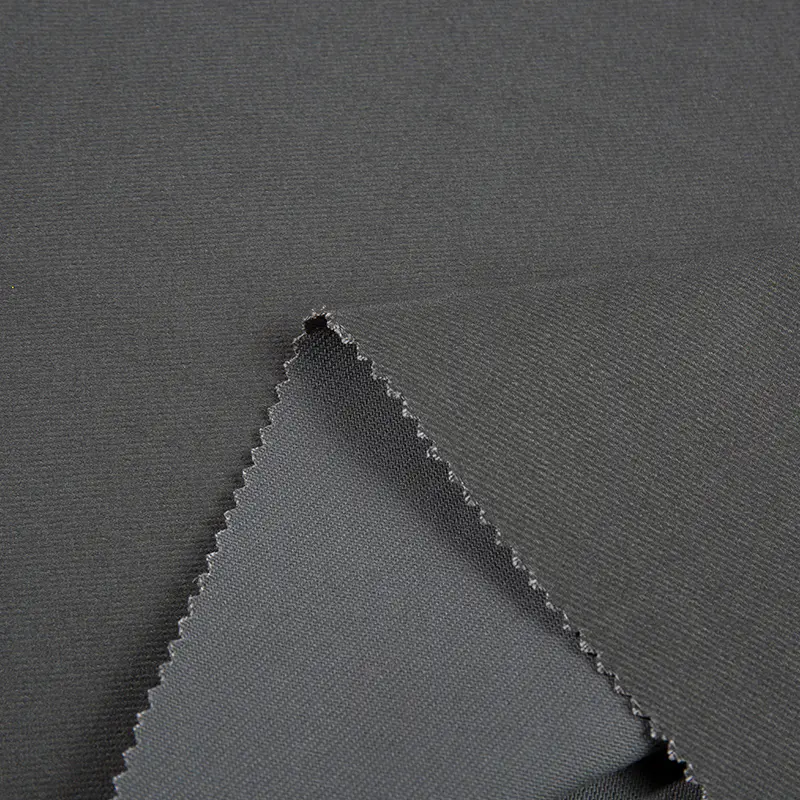
 Add: Beside National Highway 330, Zhuge Town, Lanxi City, Zhejiang Province, China
 Phone: +86-579-89022355

