 EN
EN English
 中文简体
中文简体 Español
 عربى
عربى Indonesia


Colour Begins with the Fabric
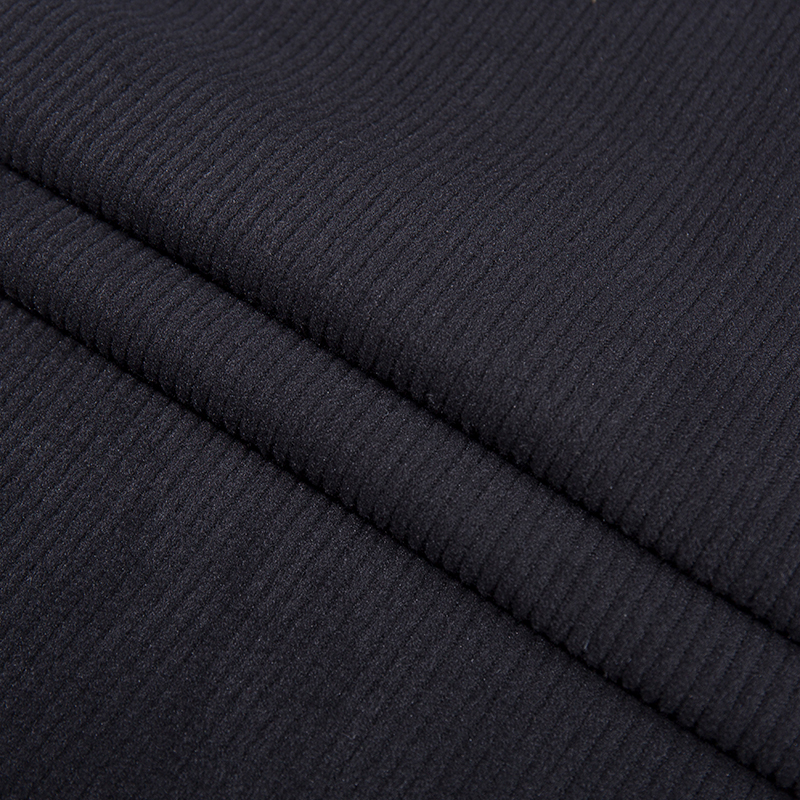
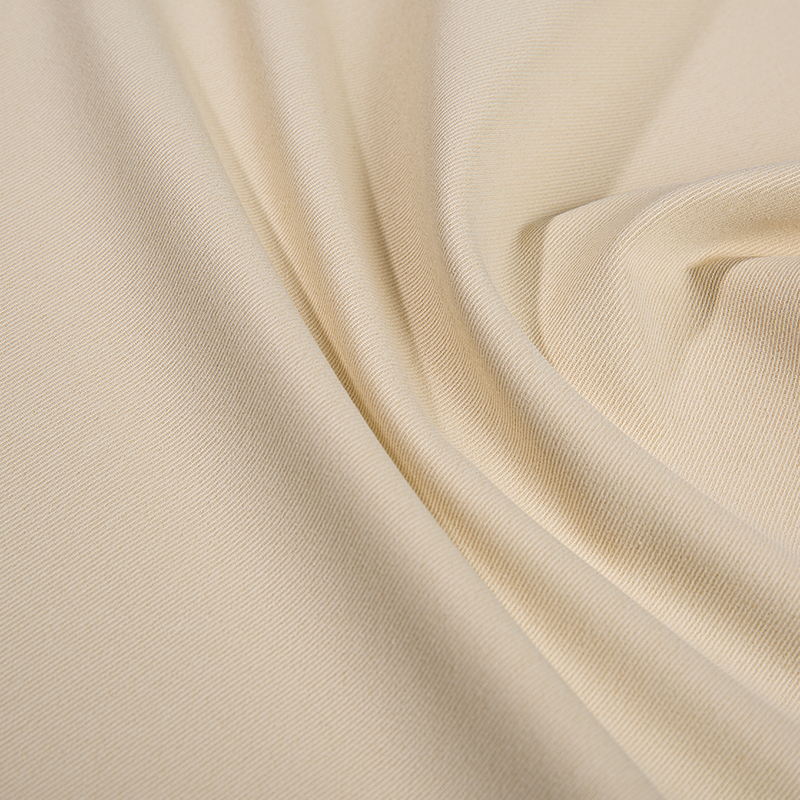
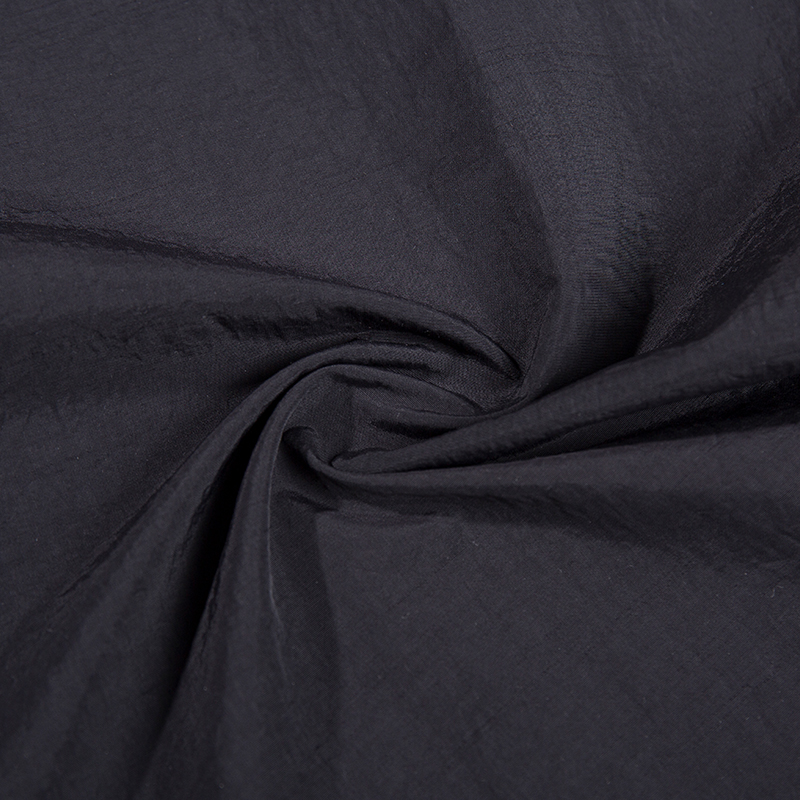
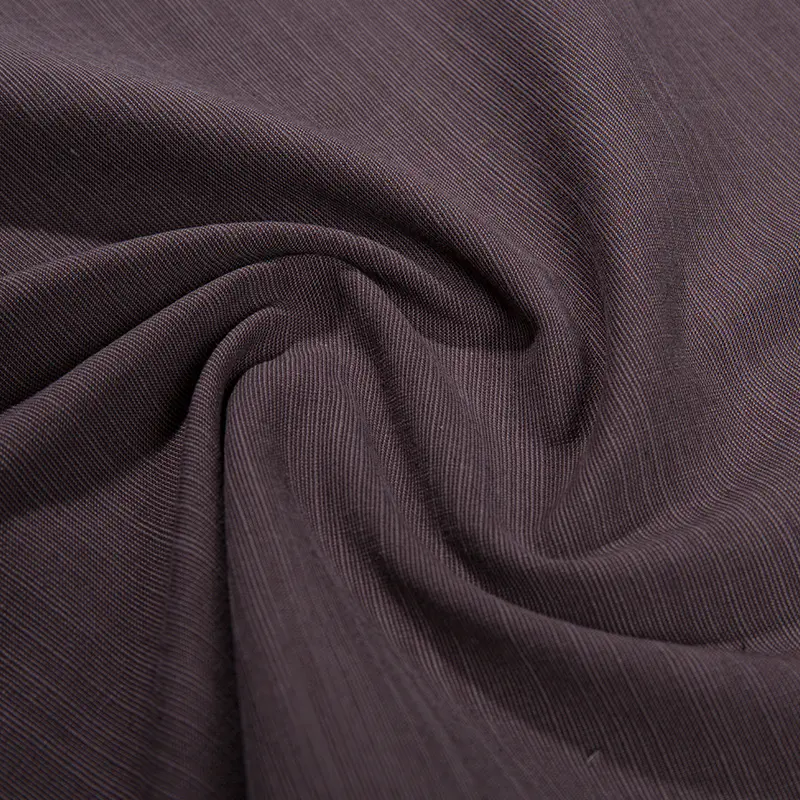
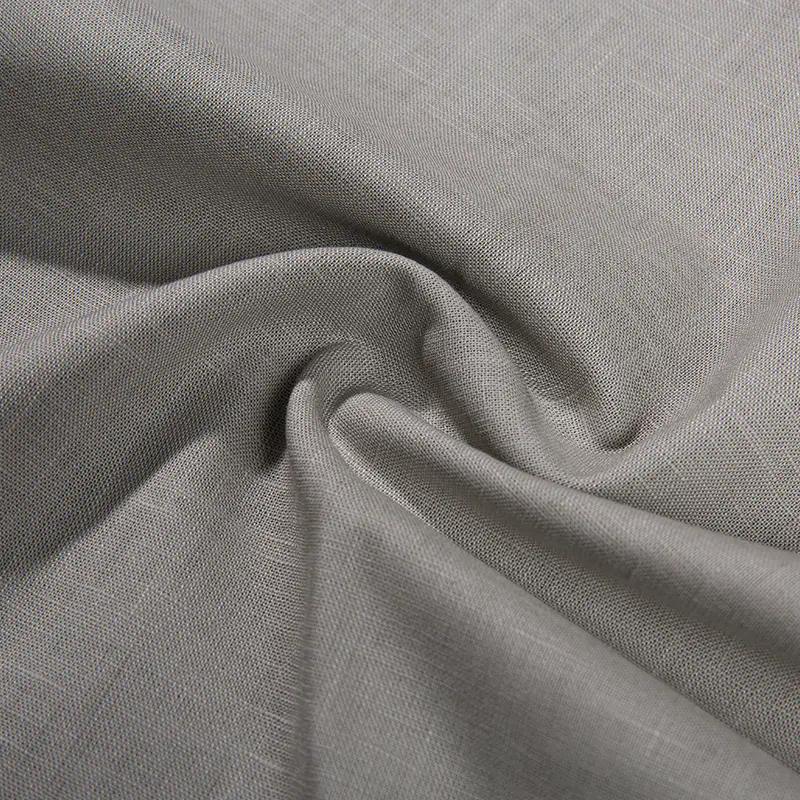
Colour can change how people perceive a textile before they even touch it. A soft beige fabric may suit understated home furnishings, while a deep blue material can give clothing a more defined appearance. Behind these visual differences is a process that combines colour selection, textile properties, and production control.
Dyeing Fabric is an important stage in textile manufacturing because it introduces colour into fibres, yarns, or finished fabrics. The chosen method depends on the material, the required shade, the production volume, and the intended use of the textile. Understanding these factors helps manufacturers plan production and achieve more consistent results.
Different Fibres Respond to Dye Differently
Not every textile absorbs colour in the same way. Cotton, polyester, wool, and nylon have different chemical and physical properties, so each material requires a suitable dye type and processing method.
Cotton is commonly coloured with reactive dyes, which form chemical bonds with the fibre. Polyester generally uses disperse dyes, which are applied under conditions suited to the synthetic material. Wool can be dyed with suitable acid dyes, while nylon can accept several dye types depending on the desired result.
Blended fabrics bring additional challenges. A cotton-polyester material, for example, may require separate dyeing conditions for its two fibre components. Manufacturers need to consider both materials when planning the process, especially when a uniform shade is expected across the fabric.
Choosing Between Common Dyeing Methods
Different production stages offer different ways to apply colour. In piece dyeing, fabric is coloured after it has been woven or knitted. This method allows manufacturers to produce larger quantities of material in selected shades according to order requirements.
Yarn dyeing takes place before weaving or knitting. It is frequently used for striped fabrics, checks, and other patterns that depend on coloured yarns. Garment dyeing happens after clothing has been assembled, allowing manufacturers to create particular colour effects on finished pieces.
Dyeing Fabric can also involve batch or continuous processing. Batch methods treat a defined quantity of material at a time, offering flexibility for different colours and order sizes. Continuous methods move fabric through successive processing stages and can suit large production runs with established specifications.
Why Do Colour Results Sometimes Vary?
A dye formula alone does not determine the final appearance. Water temperature, processing time, dye concentration, fabric preparation, and the material's original condition can all influence colour development.
Uneven preparation may cause some areas to absorb dye differently from others. Variations in temperature or chemical distribution can also produce visible shade differences. For textile suppliers handling repeat orders, controlling these factors helps reduce discrepancies between production batches.
Colour assessment is another important step. Manufacturers may compare finished samples with an approved reference under consistent lighting conditions. This allows the production team to identify differences before the fabric moves to cutting, sewing, or other downstream operations.
Matching Colour with Production Requirements
Successful textile colouring involves more than selecting a shade from a colour chart. Fibre composition, fabric construction, dye compatibility, and the final application all influence the production plan.
When Dyeing Fabric is planned around these factors, manufacturers can make informed decisions about processing methods and colour consistency. For businesses sourcing textiles, providing clear colour references, material details, and order requirements helps suppliers understand the expected result.
From everyday clothing to home furnishings and specialised textile products, fabric colouring connects technical production choices with the visual identity of the finished material.
 Add: Beside National Highway 330, Zhuge Town, Lanxi City, Zhejiang Province, China
 Phone: +86-579-89022355

