 EN
EN English
 中文简体
中文简体 Español
 عربى
عربى Indonesia


Textile mills work with a lot of raw material streams that don't get much attention outside the industry, and recycle rayon is one of them. Rather than starting from freshly processed wood pulp, recycle rayon draws its cellulose content from pre-consumer textile scraps, garment cuttings, or reclaimed pulp material, then runs that input through a fiber regeneration process similar to standard viscose production.
How Recycle Rayon Fiber Gets Produced
Production begins with sorting and shredding cellulose-based textile waste, separating out material that isn't suitable for reprocessing, like heavily blended synthetic fabrics. The usable cellulose content gets dissolved into a pulp solution, then extruded through spinnerets to form continuous filament fibers, a process that mirrors how standard rayon fiber gets made from wood pulp.
The main technical difference shows up in feedstock consistency. Wood pulp arrives at a mill with fairly uniform cellulose purity, while recycled textile waste varies more depending on its source, which means mills processing recycle rayon often run additional purification steps to reach a workable cellulose concentration. That extra processing step is part of why recycle rayon production tends to be a bit more involved than starting from virgin pulp, even though the final fiber output performs comparably in a finished fabric.
Fiber Properties and Fabric Feel
Recycle rayon retains the core characteristics that make standard rayon popular in apparel — a smooth hand feel, good drape, and moisture absorption that outperforms many synthetic fibers. Fabrics woven or knit from recycle rayon tend to feel cool against the skin, which is part of why the fiber shows up so often in warm-weather clothing lines.
A few properties worth noting for buyers evaluating recycle rayon against standard viscose:
- Similar tensile strength when wet, meaning care handling stays comparable to conventional rayon
- Comparable dye uptake, so color consistency across a production run tends to match expectations
- Slightly more fiber-to-fiber variation batch to batch, depending on feedstock consistency
- A soft, silk-adjacent drape that holds up well in woven apparel applications
That batch variation is one area where buyers sourcing recycle rayon in volume tend to ask for consistency testing across production runs, since feedstock differences can introduce small shifts in fiber quality that wouldn't show up with virgin-pulp rayon.
Common Blends and Fabric Applications
Recycle rayon rarely appears as a single-fiber fabric in commercial apparel — blending with other fibers is standard practice across the industry. Common blend partners include:
- Cotton, for added durability and a slightly crisper hand feel
- Spandex or elastane, for stretch in fitted garments
- Polyester, for wrinkle resistance in workwear and uniforms
- Linen, for a textured, breathable summer fabric
These blends show up across dress shirts, blouses, lightweight dresses, and linings, where the softness of recycle rayon pairs well with the structural properties another fiber brings to the fabric. Home textile applications, including curtains and lightweight upholstery fabric, also draw on recycle rayon for its drape and smooth finish.
Weight and Weave Variations
Recycle rayon fiber gets spun into yarns across a range of weights, which changes how the finished fabric behaves. Lighter-weight yarns produce fabrics suited to flowy garments like dresses and blouses, while heavier yarns work better for structured pieces such as jackets or upholstery-adjacent home textiles.
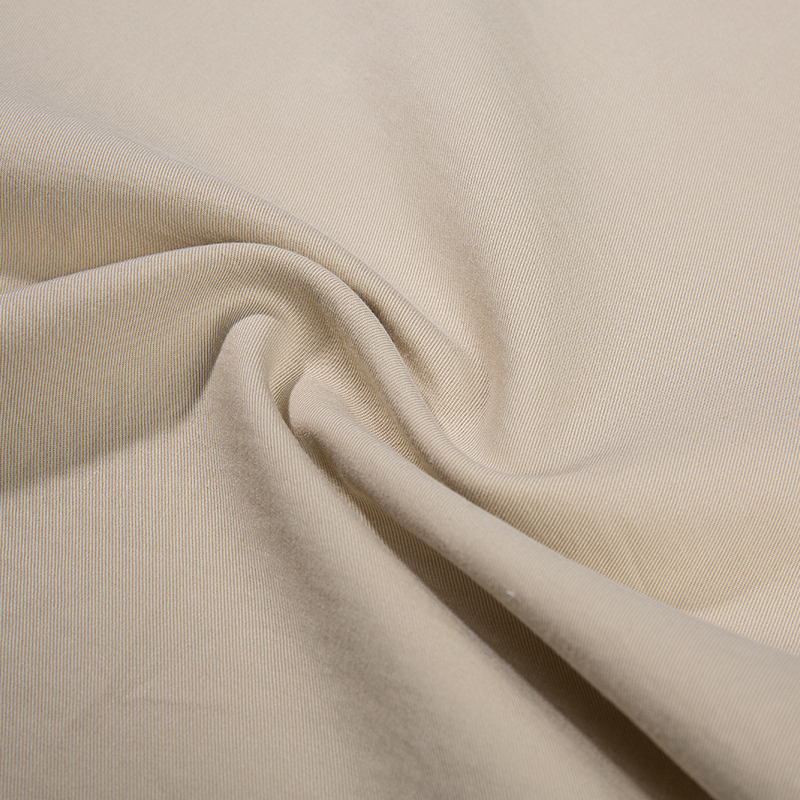
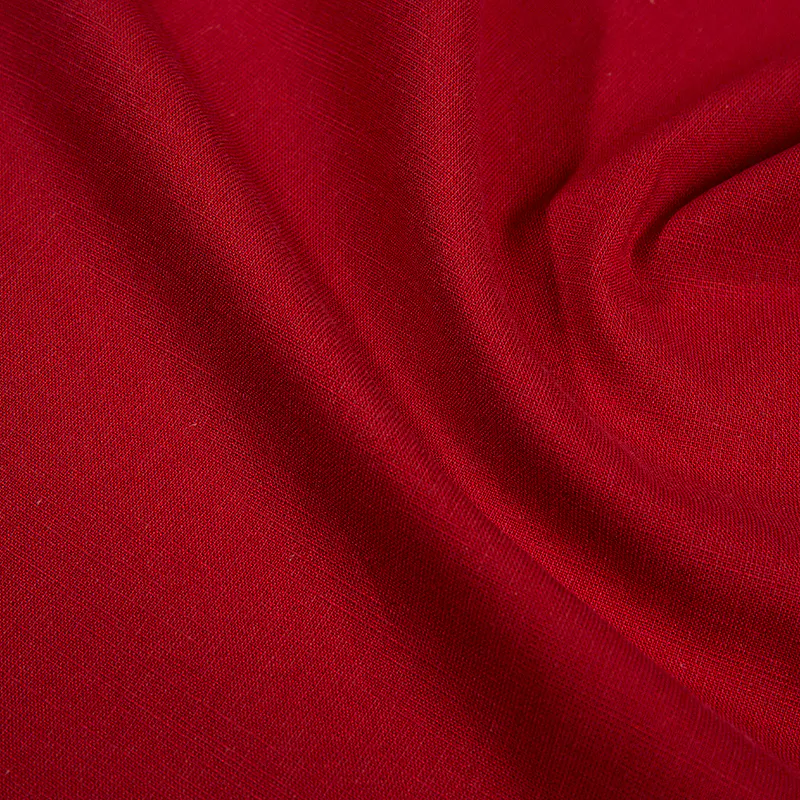
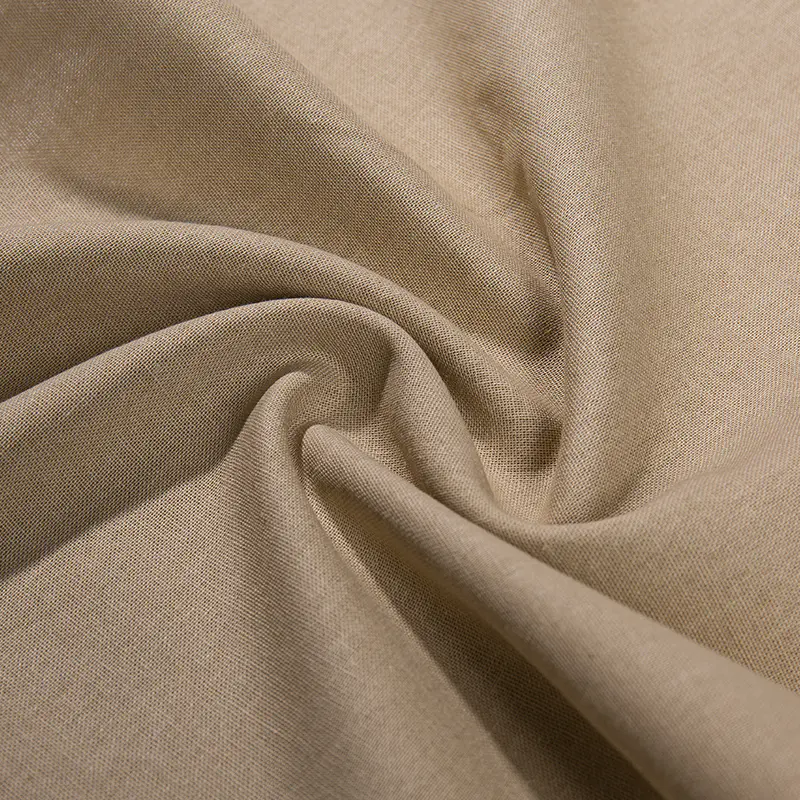
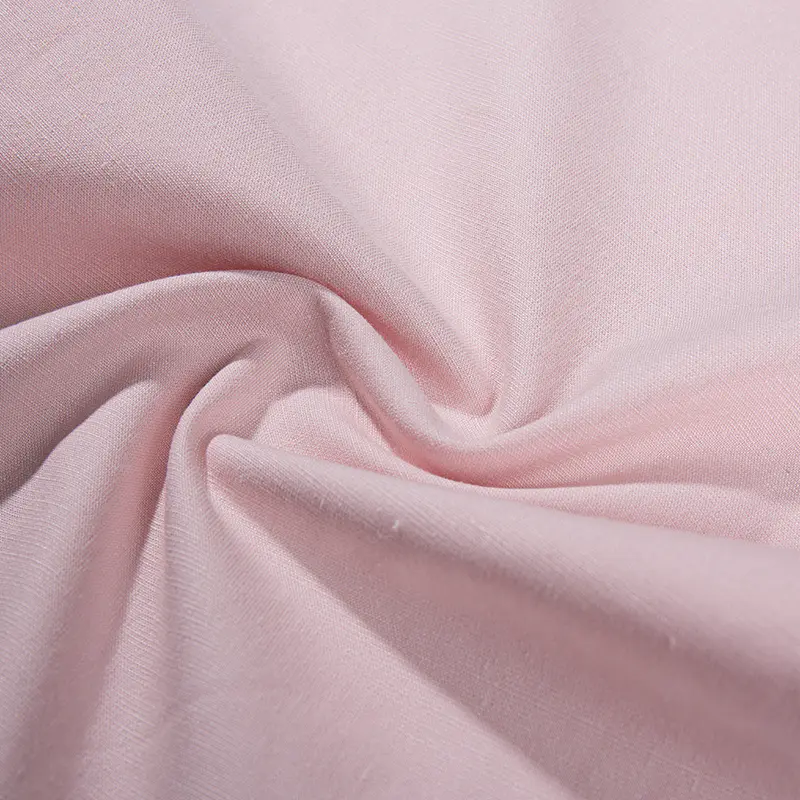
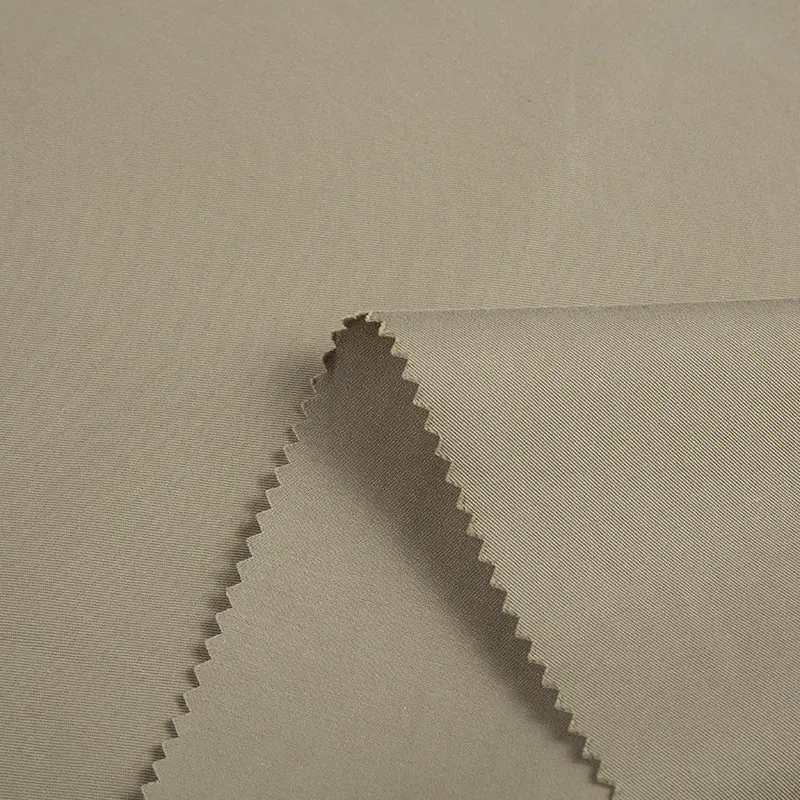
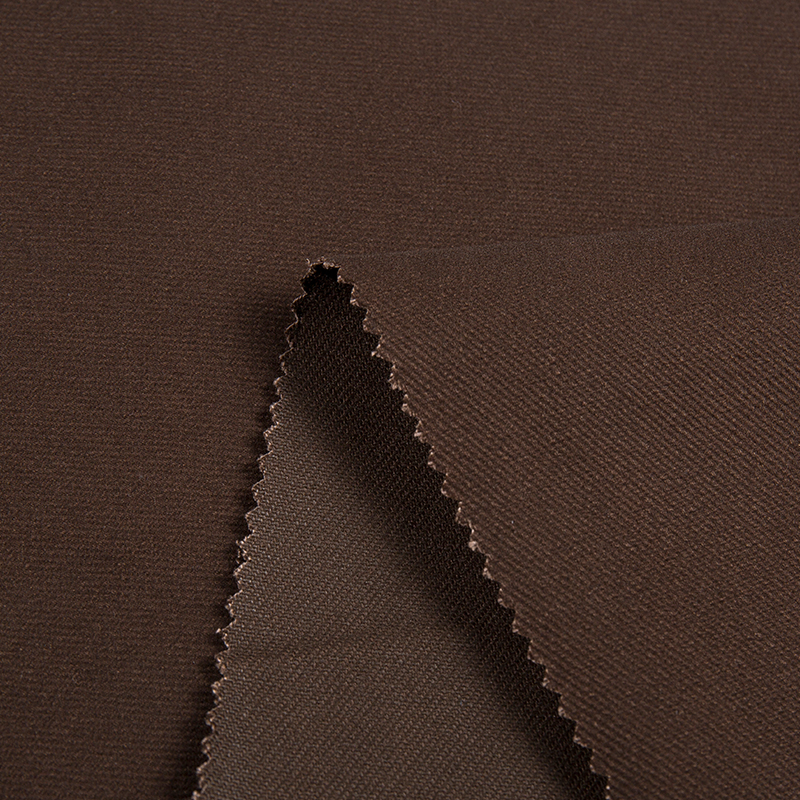
Weave and knit construction also shape the final fabric character significantly. A plain weave using recycle rayon yarn produces a smoother, more matte finish, while a satin weave brings out more sheen, similar to how conventional rayon behaves under different construction methods. Knit fabrics made from recycle rayon tend to hold their shape reasonably well, though they retain some of the stretch-recovery characteristics typical of rayon-based knits generally.
 Add: Beside National Highway 330, Zhuge Town, Lanxi City, Zhejiang Province, China
 Phone: +86-579-89022355

