 EN
EN English
 中文简体
中文简体 Español
 عربى
عربى Indonesia


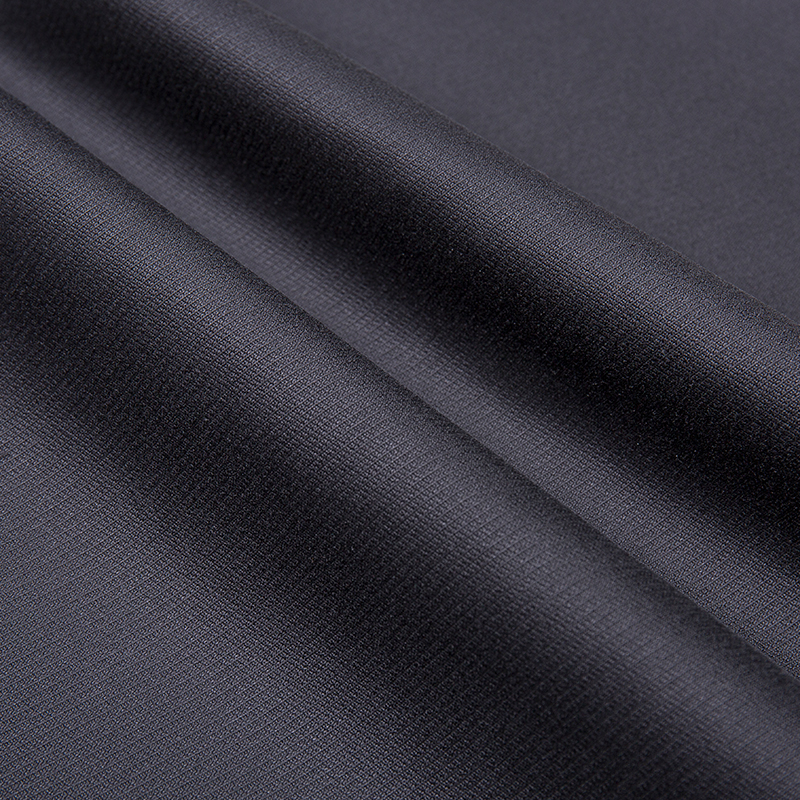
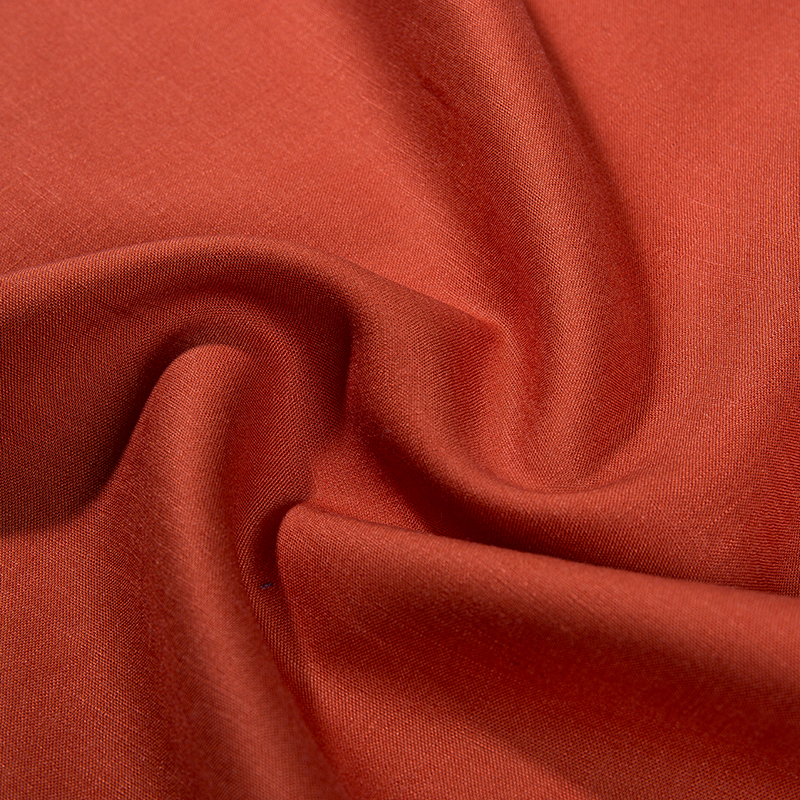
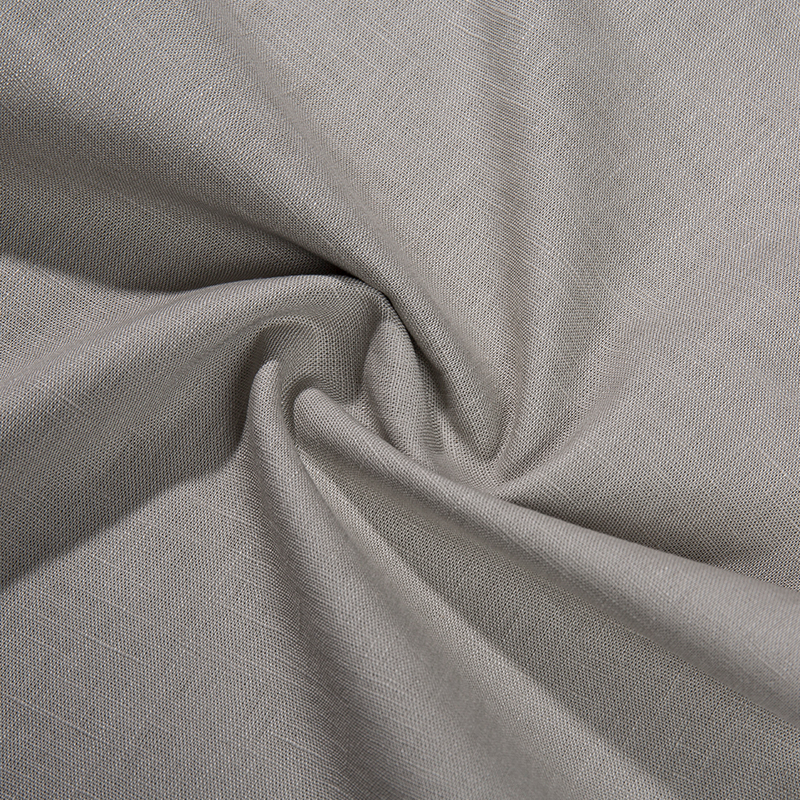
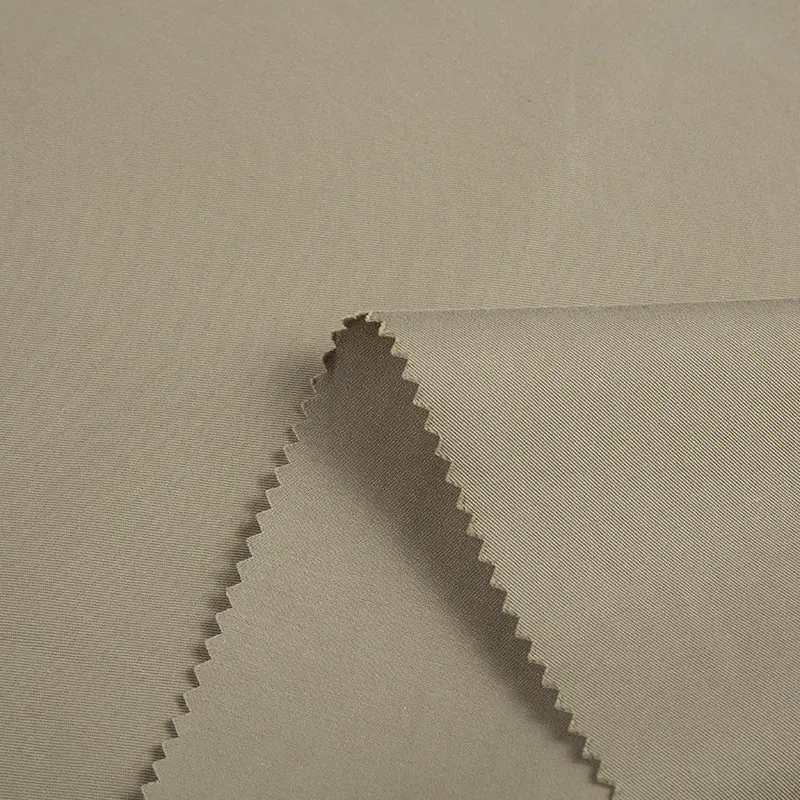
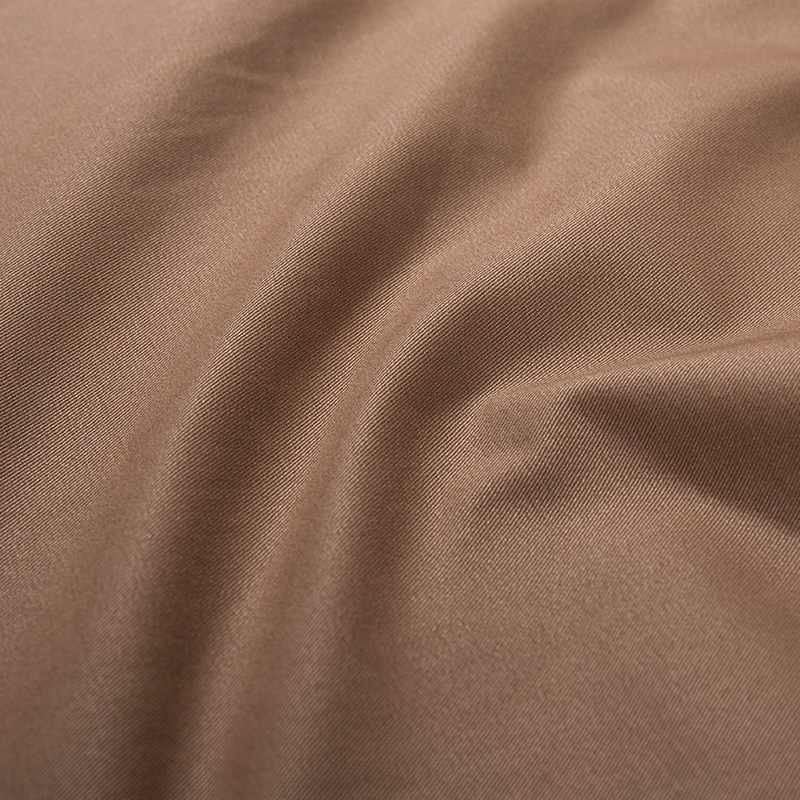
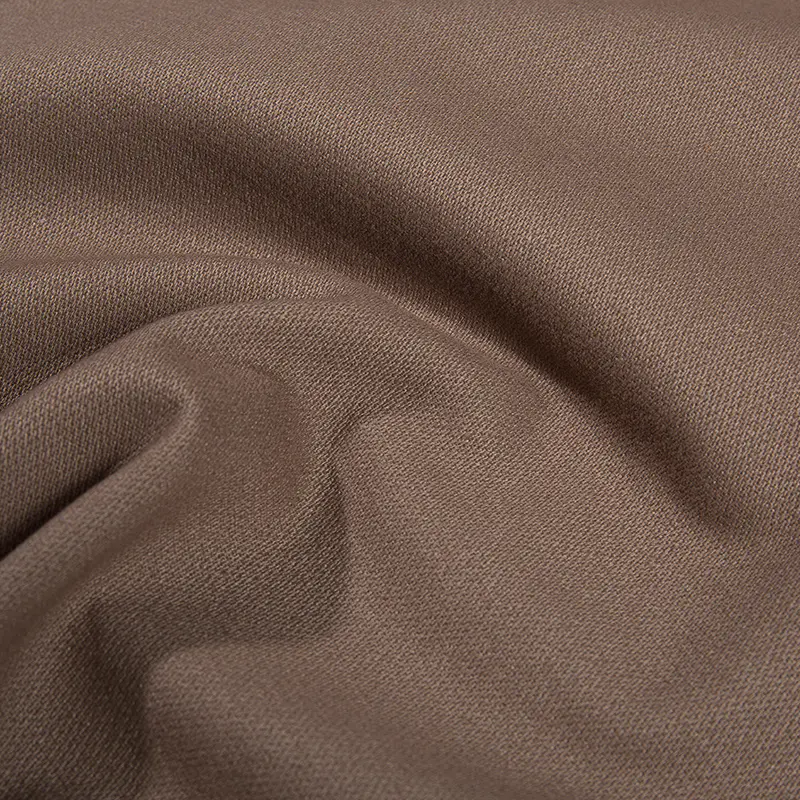
Apparel brands and garment manufacturers regularly seek textiles that meet the specific requirements of women’s clothing lines. Lady Fabric serves as a category of materials developed for these collections, offering a balance of drape, comfort, and structural behavior suited to various silhouettes. Suppliers working with fashion and uniform companies focus on technical consistency, volume reliability, and compatibility with existing production methods.
Aligning Specifications with Brand Needs
Development discussions usually start with a review of target garment types, seasonal requirements, and preferred fabric behaviors. Teams examine fiber content, weight ranges, and surface finishes that support the intended designs. A supplier of Lady Fabric works through these parameters to propose options that align with the brand’s pattern library and sewing standards.
Clear notes on stretch recovery, opacity, and seam performance help ensure the material integrates smoothly into cutting and assembly processes. Early yardage samples allow both sides to evaluate hand feel and drape under real production conditions before scaling orders.
Material Properties for Apparel Production
Different constructions serve different purposes within women’s wear programs. Lightweight weaves suit fluid dresses and blouses, while denser knits support structured tops or bottoms. Blends may combine natural and synthetic fibers to achieve specific recovery or wrinkle resistance. Surface treatments can adjust sheen, softness, or moisture interaction according to the end use.
Lady Fabric ranges often maintain a core set of proven qualities while allowing controlled variations in color depth or texture. This structure supports both ongoing catalog needs and limited seasonal adaptations requested by apparel partners.
Supporting Fashion and Uniform Lines
Fashion brands incorporate these textiles into ready-to-wear collections that require consistent shade matching across multiple deliveries. Uniform and workwear suppliers apply them in garments designed for professional settings where appearance and durability under regular wear matter. In both cases, dimensional stability after washing cycles receives attention during selection so that finished garments retain their intended fit.
A Lady Fabric supplier organizes testing protocols that align with the brand’s own quality checkpoints. Shared reference standards reduce discrepancies when fabric from successive lots enters the same production run.
Practical Design and Handling Factors
Cutting behavior, fray resistance, and needle performance influence efficiency on the factory floor. Materials that hold shape during spreading and cutting reduce waste and improve marker utilization. Some constructions offer easier sewing characteristics that support higher line speeds without frequent adjustments.
These attributes are evaluated through sample garments rather than assumed from generic data. Feedback from production technicians guides refinements that improve process compatibility without altering the fabric’s core appearance or performance profile.
Managing Consistency Across Deliveries
Larger apparel programs require successive fabric shipments that match the approved standard in shade, weight, and handle. Dye lots, finishing processes, and inspection criteria are monitored so that later deliveries align with the first. When a brand expands a successful style into additional colors or weights, the existing technical package shortens the path to production.
Documentation covering composition, width, and recommended handling travels with each order. Receiving teams can verify shipments against clear criteria, simplifying intake into cutting rooms or warehouses.
Lady Fabric functions as a technical material resource within broader apparel supply chains. By concentrating on performance characteristics, production compatibility, and reliable supply traits, manufacturers assist brands in developing functional and consistent garment lines. The work addresses the engineering and logistical requirements that keep women’s apparel programs running smoothly from fabric selection through finished production.
 Add: Beside National Highway 330, Zhuge Town, Lanxi City, Zhejiang Province, China
 Phone: +86-579-89022355

