 EN
EN English
 中文简体
中文简体 Español
 عربى
عربى Indonesia


Fabric Preparation Starts Before Dyeing
Different fabrics arrive at the dyeing stage with different characteristics. Knitted fabric may have a flexible structure, while woven fabric can show different tension and surface behavior. Cotton, polyester, nylon, viscose, and blended materials also respond differently during processing.
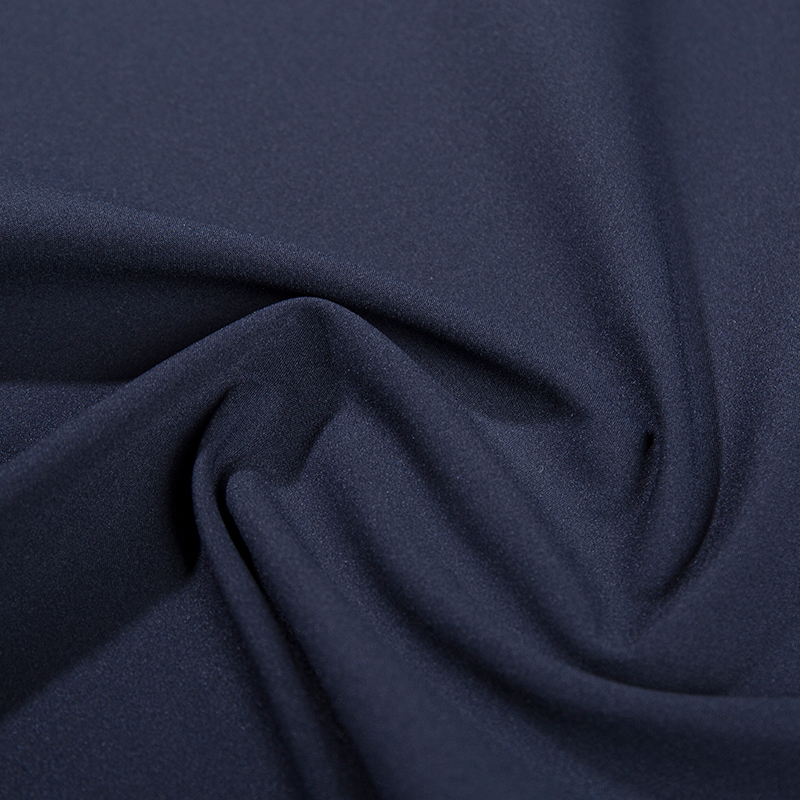
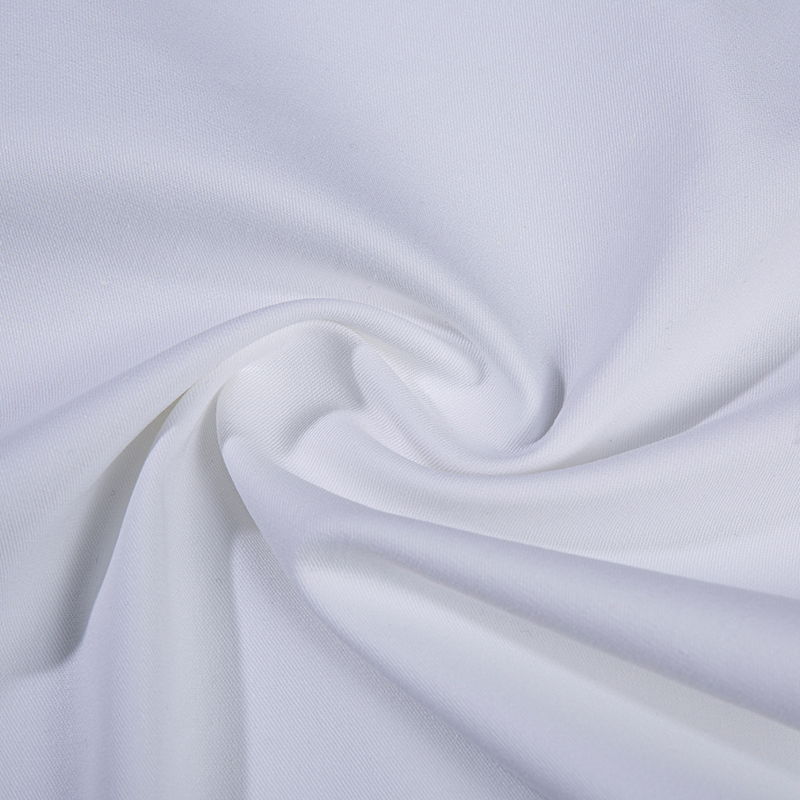
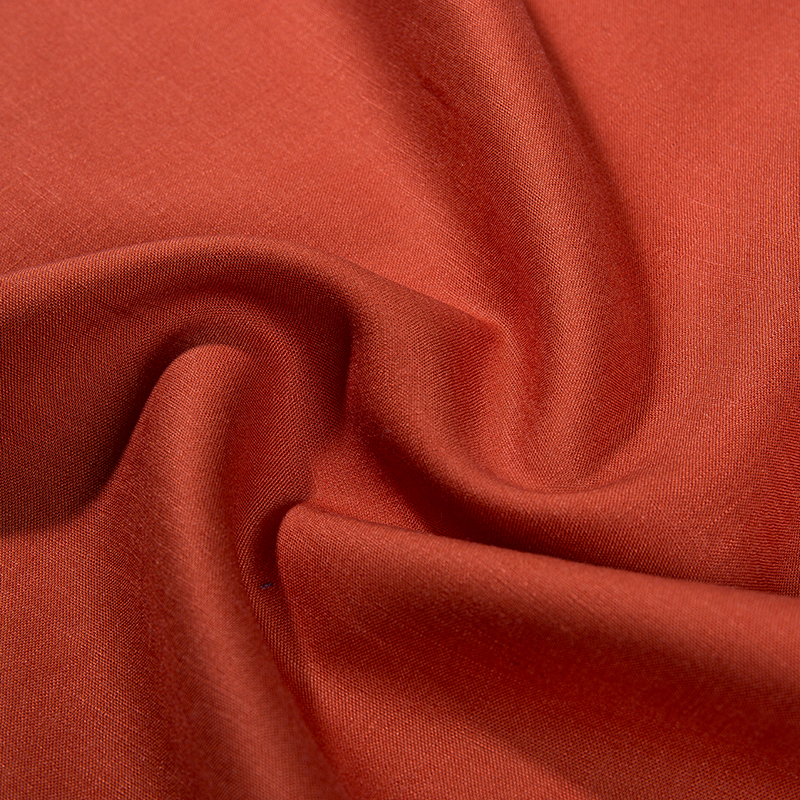
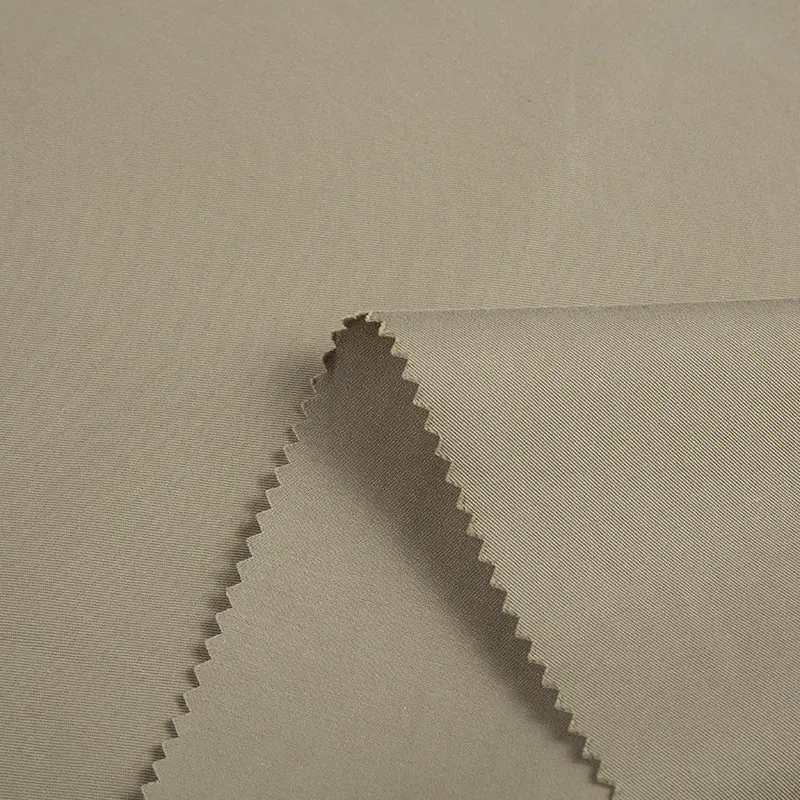
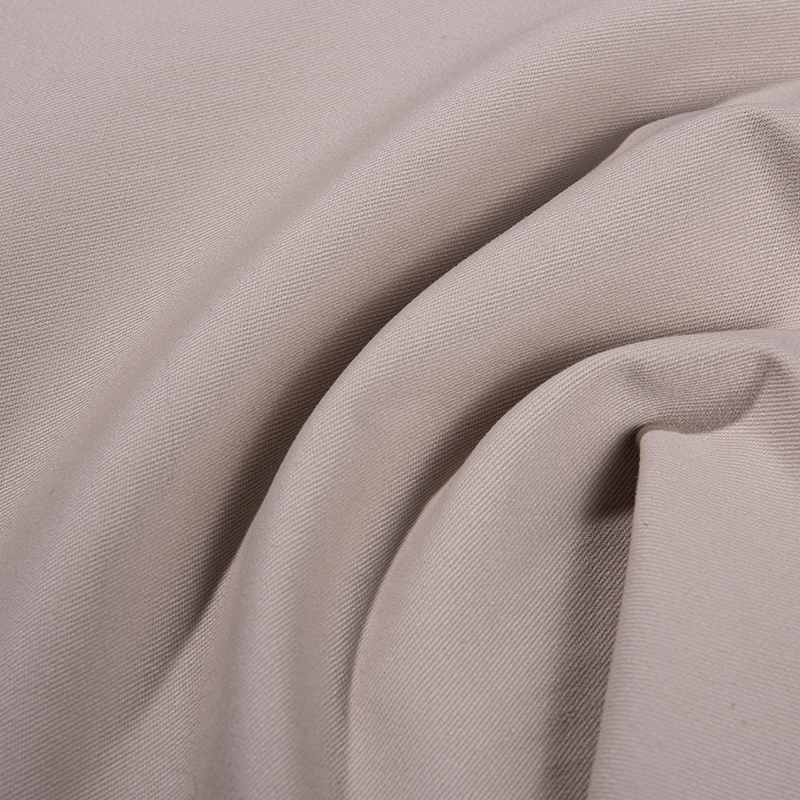
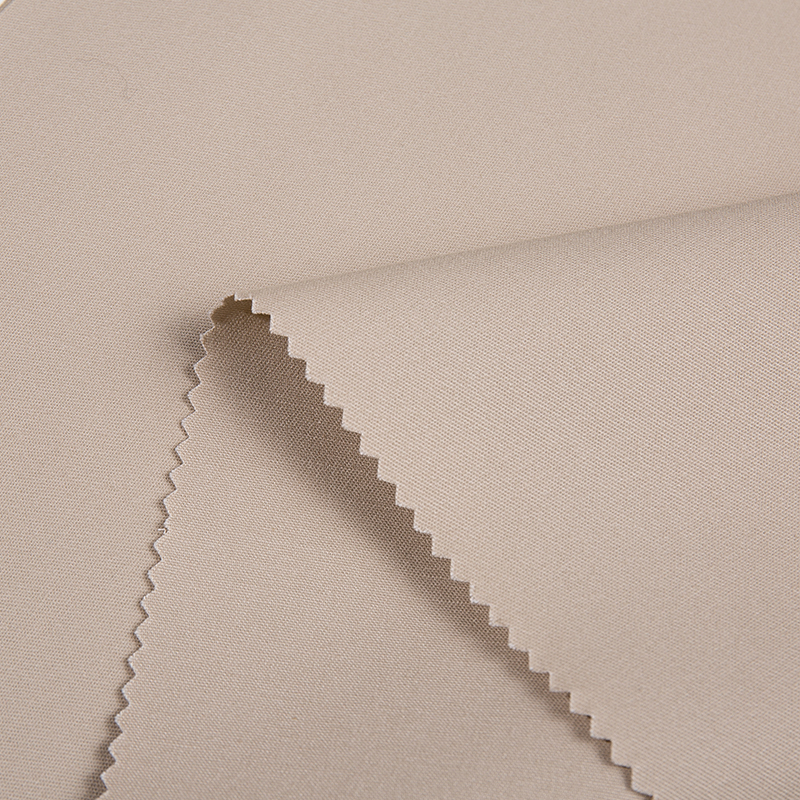
A Prepared for Dye Fabric approach considers these differences before the fabric reaches the dyeing machine. The preparation process may involve cleaning, wet processing, opening, or other treatments designed around the fabric composition and intended dyeing method.
The preparation stage is therefore not simply an extra production step. It helps create a fabric condition that matches the requirements of the following dyeing operation.
Surface Condition Can Change Dye Behavior
Fabric surfaces contain more than visible fibers. Processing residues, oils, sizing materials, loose particles, and other substances may affect how liquid interacts with the textile.
When the surface condition is suitable, dye liquor can interact with the fibers in a more controlled way. This is particularly important when manufacturers need a consistent appearance across a large fabric roll.
For Prepared for Dye Fabric, surface preparation can therefore be closely connected to dye penetration and color distribution. A fabric that responds differently from one section to another can create uneven visual results, making preparation an important part of textile production planning.
Fiber Type Changes the Preparation Method
There is no single preparation method that fits every fabric. Natural fibers and synthetic fibers have different structures, and blended fabrics introduce another layer of complexity.
Cotton fabric, for example, can require preparation suited to its natural fiber structure. Polyester may follow a different processing route, while nylon and viscose have their own characteristics. Blended textiles need preparation that considers how different fibers behave within the same material.
A Prepared for Dye Fabric specification should therefore be connected to the fabric's fiber composition, construction, weight, and intended dyeing process. This helps textile manufacturers select processing conditions according to the actual material rather than relying on one standard routine.
Fabric Construction Also Matters
Fiber composition is only one part of the picture. Fabric construction can influence how chemicals, water, and dye liquor move through the material.
A tightly constructed woven fabric may behave differently from an open knitted structure. Fabric thickness can also affect liquid penetration and processing time. Stretch fabrics introduce additional considerations because tension can influence the fabric's dimensions and surface appearance.
These characteristics make Prepared for Dye Fabric more than a simple label. It describes a production condition where the material has been considered in relation to the dyeing stage that follows.
Preparation Supports Color Consistency
Color consistency is closely connected to how evenly fabric interacts with dye liquor. If one section absorbs dye differently from another, the finished fabric may show visible shade differences.
Preparation can help reduce variables before dyeing begins. Cleaning, wetting, fabric opening, and controlled pre-treatment can each influence how the material reacts during subsequent processing.
For manufacturers working with continuous fabric rolls, this consistency becomes particularly relevant. A stable starting condition can make it easier to manage dyeing across larger quantities of material.
Textile Machinery Works Better With Defined Inputs
Dyeing equipment is designed to process fabric under controlled conditions, but the machine can only respond to the material placed inside it. Fabric width, construction, weight, moisture level, and surface condition all become part of the production equation.
A Prepared for Dye Fabric workflow connects material preparation with machine operation. Instead of separating the preparation department from the dyeing department, manufacturers can treat both stages as parts of one production sequence.
This approach can also help production teams communicate more clearly. When fabric preparation requirements are defined according to material type and dyeing method, operators have a clearer understanding of what condition the fabric should reach before entering the next stage.
 Add: Beside National Highway 330, Zhuge Town, Lanxi City, Zhejiang Province, China
 Phone: +86-579-89022355

