 EN
EN English
 中文简体
中文简体 Español
 عربى
عربى Indonesia


The textile industry is witnessing increasing interest in the development and application of advanced wicking moisture cotton fabric. This innovative material aims to combine the inherent comfort and natural feel of cotton with the functional performance required for active lifestyles. By integrating moisture management technologies, this category of wicking moisture cotton fabric seeks to address the traditional limitations of standard cotton in high-exertion scenarios, presenting a new option for brands and consumers.
The fundamental technology behind wicking moisture cotton fabric involves altering the cotton fiber or the fabric's construction to enhance its capillary action. Through specific physical or chemical treatments, the hydrophilic properties of cotton are modified. This allows a wicking moisture cotton fabric to more efficiently pull perspiration away from the skin to the fabric's outer surface, where it can evaporate more readily. The goal is to maintain a drier feel next to the skin compared to untreated cotton, improving user comfort during physical activity or in warm conditions. The performance of wicking moisture cotton fabric is a key focus for manufacturers seeking to expand cotton's utility.
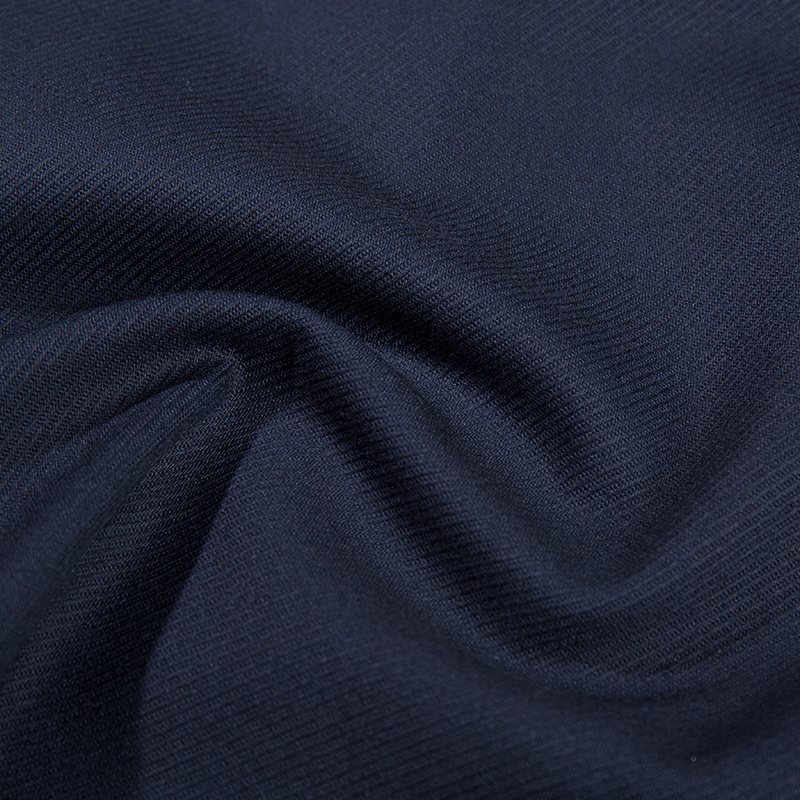
Demand for this category is primarily driven by the activewear and casual sportswear markets. Consumers who favor the softness and breathability of cotton but require enhanced functionality for exercise are a primary target. Consequently, garments made from wicking moisture cotton fabric are appearing in product lines ranging from athletic t-shirts and training apparel to socks and lightweight base layers. The adoption of wicking moisture cotton fabric allows brands to leverage cotton's positive natural image while providing an improved technical benefit, potentially filling a gap between synthetic performance fabrics and conventional cotton knits.
From a production standpoint, creating effective wicking moisture cotton fabric involves several approaches. Some manufacturers utilize specialized yarn spinning techniques or fabric constructions that create a capillary effect. Others apply durable topical finishes that modify the fiber's surface energy. The development process for a reliable wicking moisture cotton fabric emphasizes durability, ensuring that the moisture-wicking property withstands repeated washing and wearing. Balancing this performance with the preservation of cotton’s desirable hand feel and aesthetic is an ongoing consideration for producers of wicking moisture cotton fabric.
The growing focus on sustainable and natural materials in apparel further supports the exploration of wicking moisture cotton fabric. As an alternative to fully synthetic performance materials, a cotton-based solution that offers moisture management can appeal to environmentally conscious consumers. This positions wicking moisture cotton fabric within broader conversations about combining natural fibers with intelligent textile engineering to meet modern performance needs without solely relying on petroleum-derived synthetics.
The evolution of wicking moisture cotton fabric is expected to continue alongside advancements in textile chemistry and finishing technologies. Research may focus on enhancing the durability and efficiency of the wicking effect, as well as integrating additional properties such as odor resistance or faster drying times. The market reception and long-term performance claims of garments utilizing wicking moisture cotton fabric will be crucial in determining its sustained position within the competitive performance textile segment. Its development reflects a clear industry effort to innovate within the realm of natural fibers, pushing the functional boundaries of traditional materials to meet contemporary consumer expectations for comfort, performance, and natural origins.
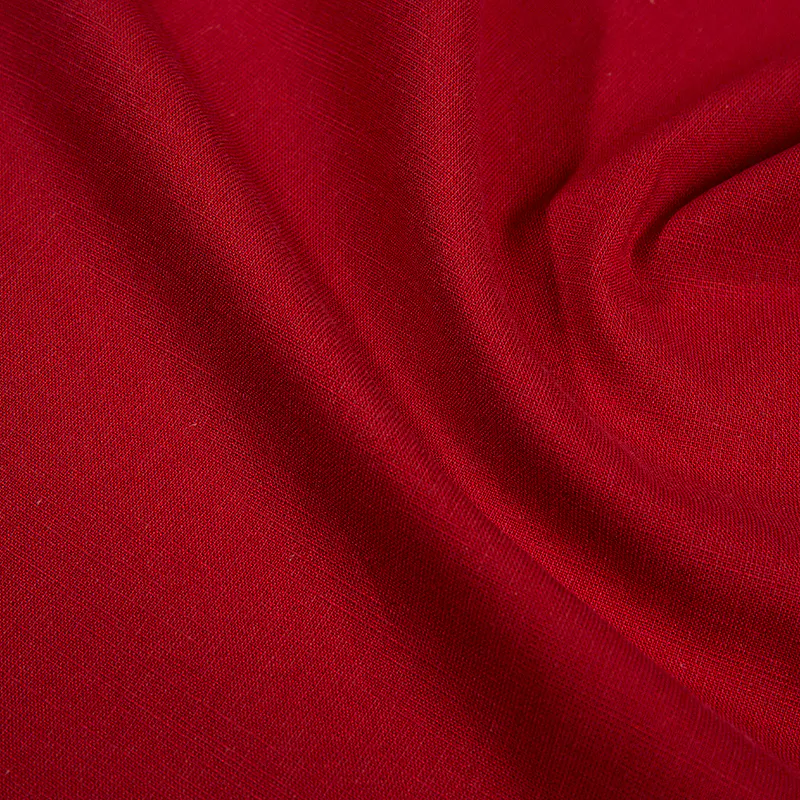
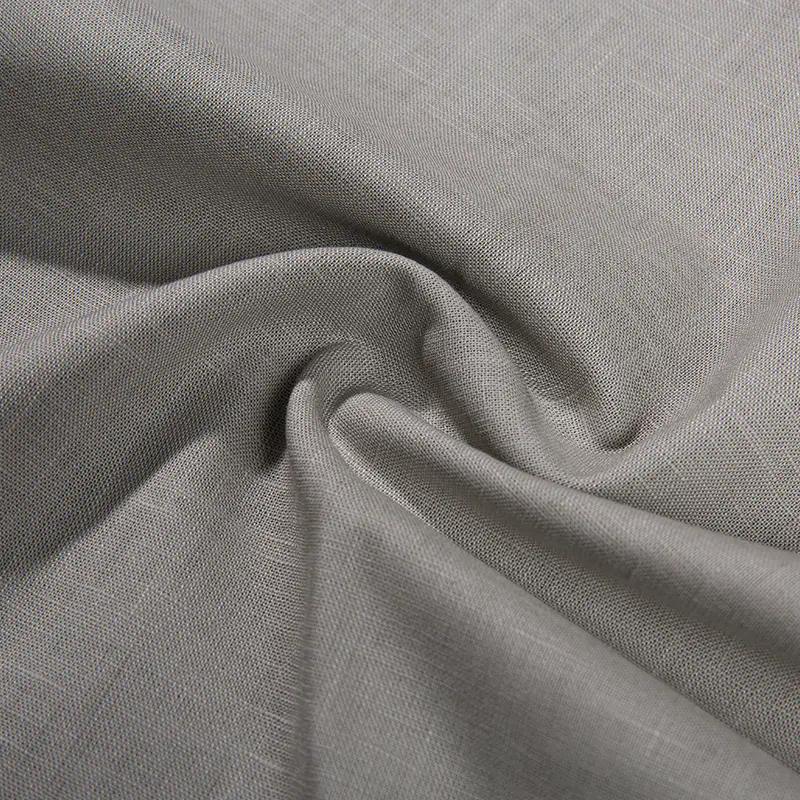
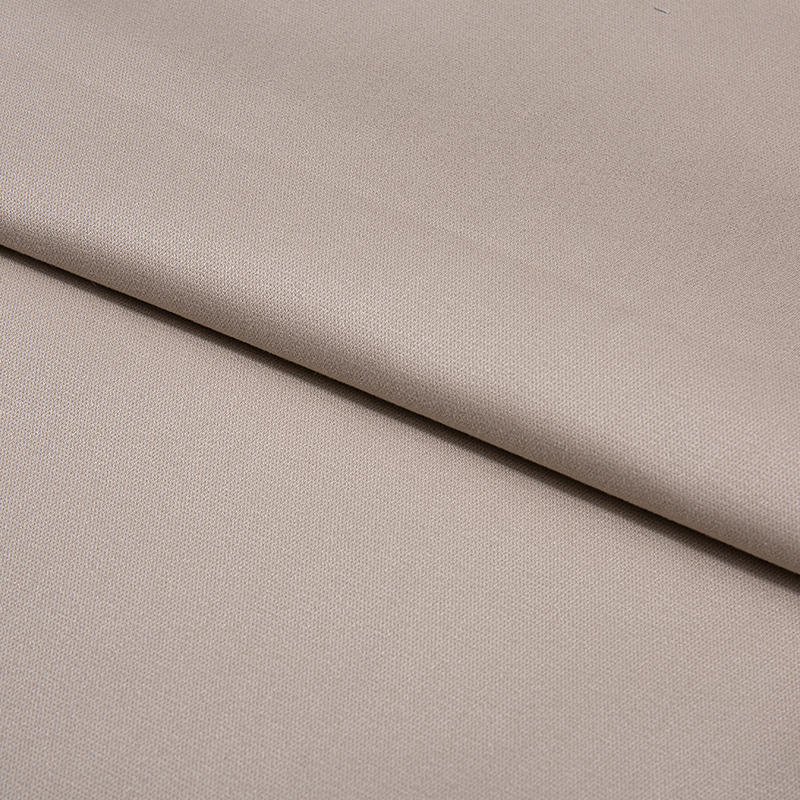
 Add: Beside National Highway 330, Zhuge Town, Lanxi City, Zhejiang Province, China
 Phone: +86-579-89022355

