 EN
EN English
 中文简体
中文简体 Español
 عربى
عربى Indonesia


In the global push for more sustainable materials, one innovation is transforming industrial byproducts and post-consumer waste into a versatile textile: recycled nylon. This fiber, engineered from reclaimed nylon waste rather than virgin petroleum, represents a significant step toward circularity in the fashion, outdoor gear, and industrial sectors. By giving new life to discarded materials like fishing nets, fabric scraps, and industrial plastic, recycled nylon offers a pathway to reduce environmental impact while maintaining the durability and performance characteristics for which nylon is valued.
The production of recycled nylon begins with the collection and sorting of nylon waste. Common sources include discarded fishing nets recovered from oceans (often referred to as nylon 6,6), pre-consumer waste from textile manufacturing, and post-consumer items like carpets and certain types of plastic packaging. This waste undergoes a thorough cleaning and depolymerization process, where the long-chain nylon polymers are chemically broken down into their base monomers. These purified monomers are then repolymerized to create new recycled nylon chips, which can be melted and spun into filaments. This process, while technically demanding, allows for the creation of high-quality recycled nylon fibers that are molecularly identical to their virgin counterparts, ensuring no compromise in performance.
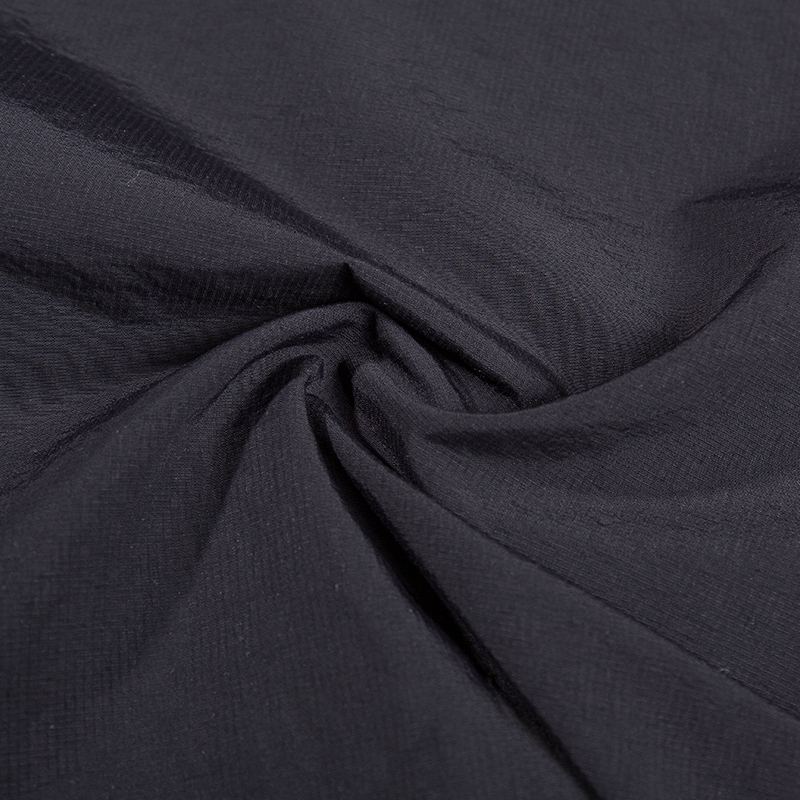
The fundamental appeal of recycled nylon lies in its substantial environmental benefits. Producing recycled nylon consumes significantly less energy and water compared to manufacturing virgin nylon from crude oil. More importantly, it diverts plastic waste from landfills and oceans, addressing pressing pollution issues. By creating a market for this waste, the recycled nylon industry incentivizes collection and recycling efforts. However, it is not a superb, closed-loop solution on its own, as the recycling process itself is energy-intensive and not all products made with recycled nylon are easily recyclable at their end-of-life—a challenge the industry continues to address.
The performance of recycled nylon is a key factor in its adoption across demanding applications. High-quality recycled nylon retains the inherent strengths of nylon: outstanding abrasion resistance, high tensile strength, elasticity, and durability. This makes it suitable for products that face wear and tear. In the outdoor industry, recycled nylon is used to make backpacks, tents, and rain shells. In fashion, it appears in swimwear, activewear, and luxury accessories. The automotive and interior design sectors also utilize recycled nylon for upholstery and carpets. For brands and consumers, recycled nylon provides a way to choose a high-performance material with a demonstrably lower environmental footprint.
The future of recycled nylon hinges on advancing recycling technologies and developing true circular systems. Innovations in chemical recycling aim to make the process more efficient and capable of handling a wider variety of mixed nylon waste. A major frontier is creating an effective end-of-life pathway for products made from recycled nylon, moving from a linear "recycled-content" model to a true circular economy where these garments and goods can be recycled again. As technology and systems evolve, recycled nylon is poised to move from a premium alternative to a mainstream material, redefining the lifecycle of one of the world's common synthetic fibers and proving that performance and sustainability can be woven together.
 Add: Beside National Highway 330, Zhuge Town, Lanxi City, Zhejiang Province, China
 Phone: +86-579-89022355

