 EN
EN English
 中文简体
中文简体 Español
 عربى
عربى Indonesia


Overview of Woven Fabric Production Basics
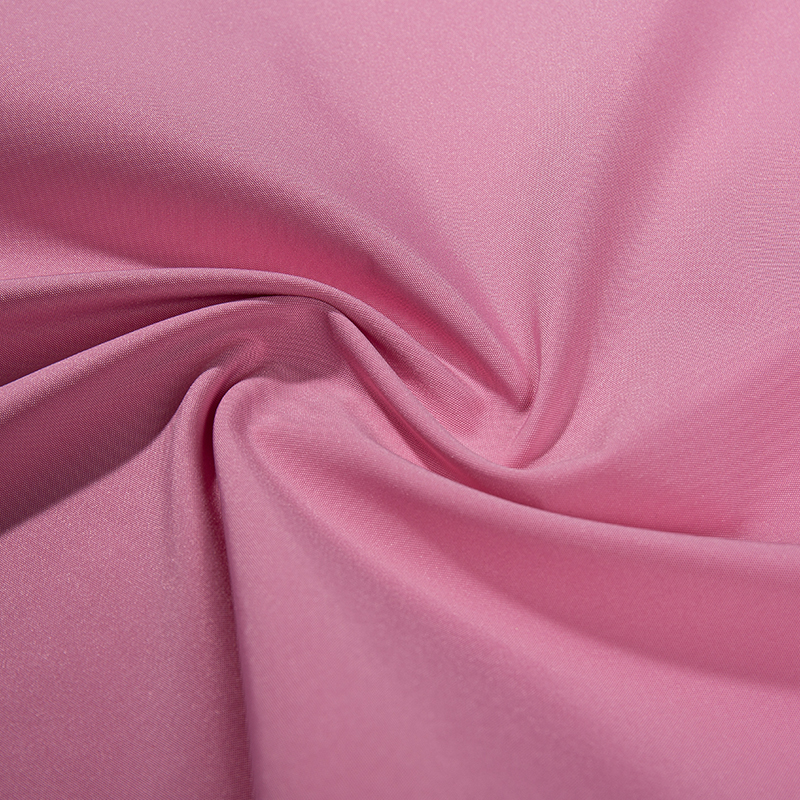
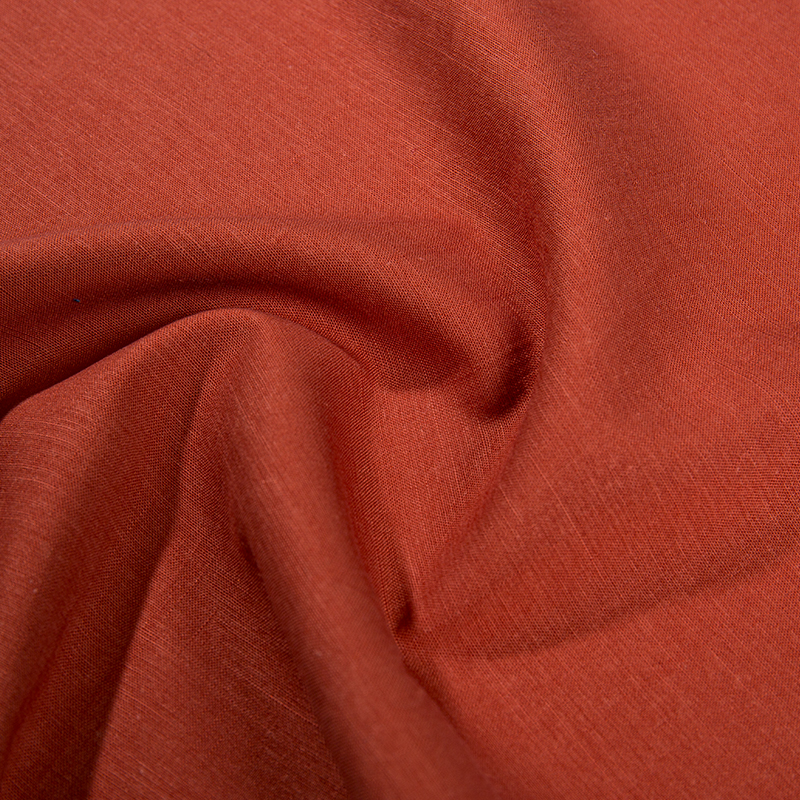
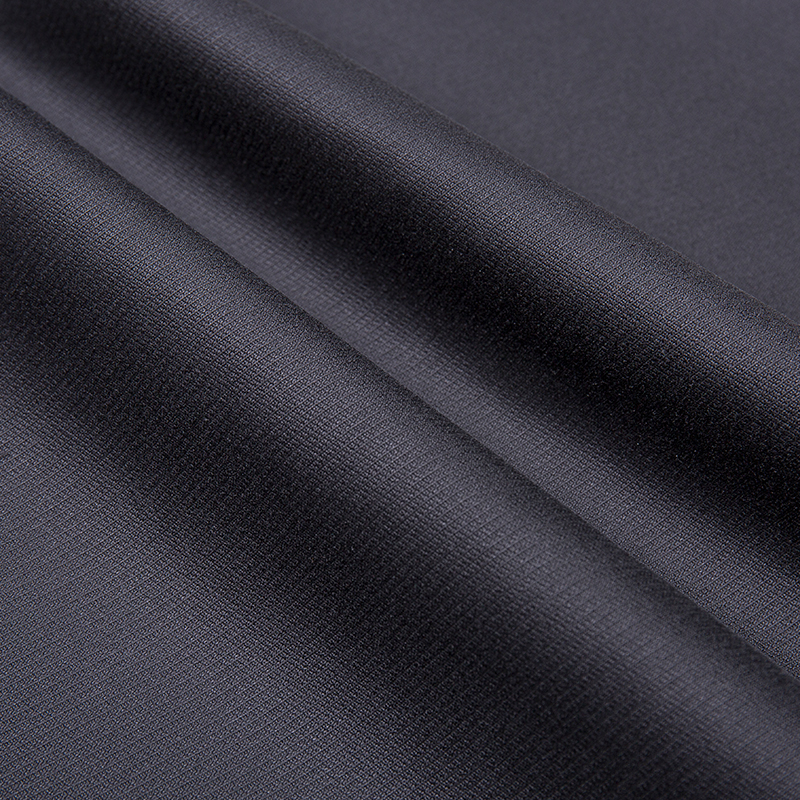
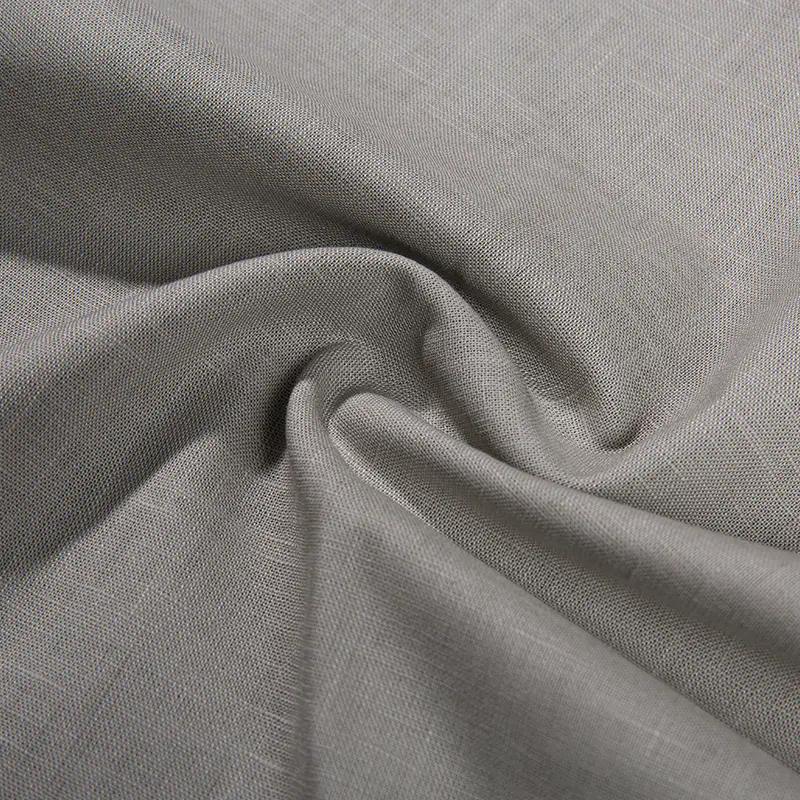
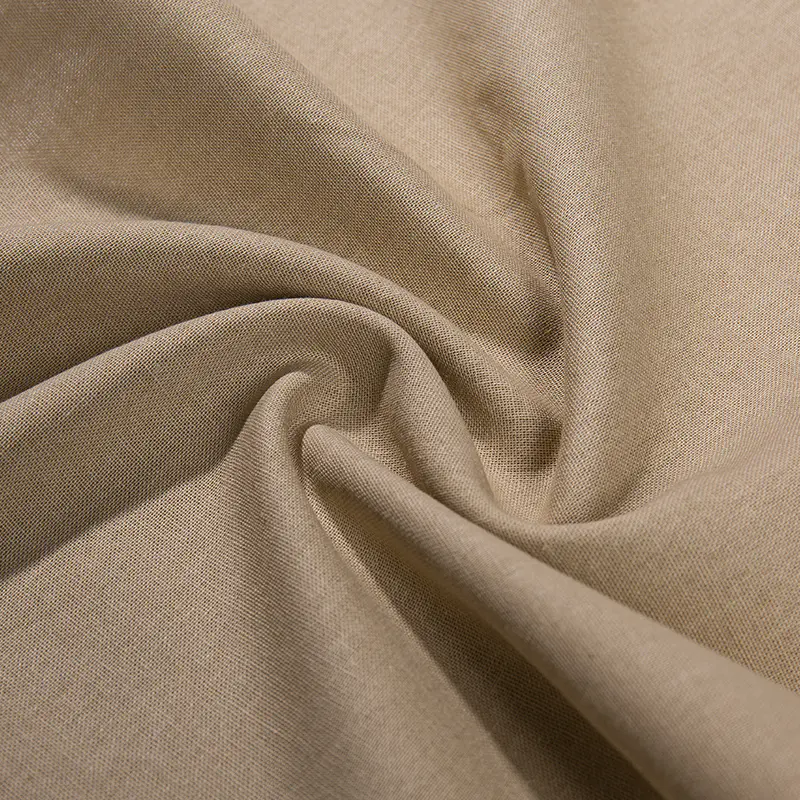
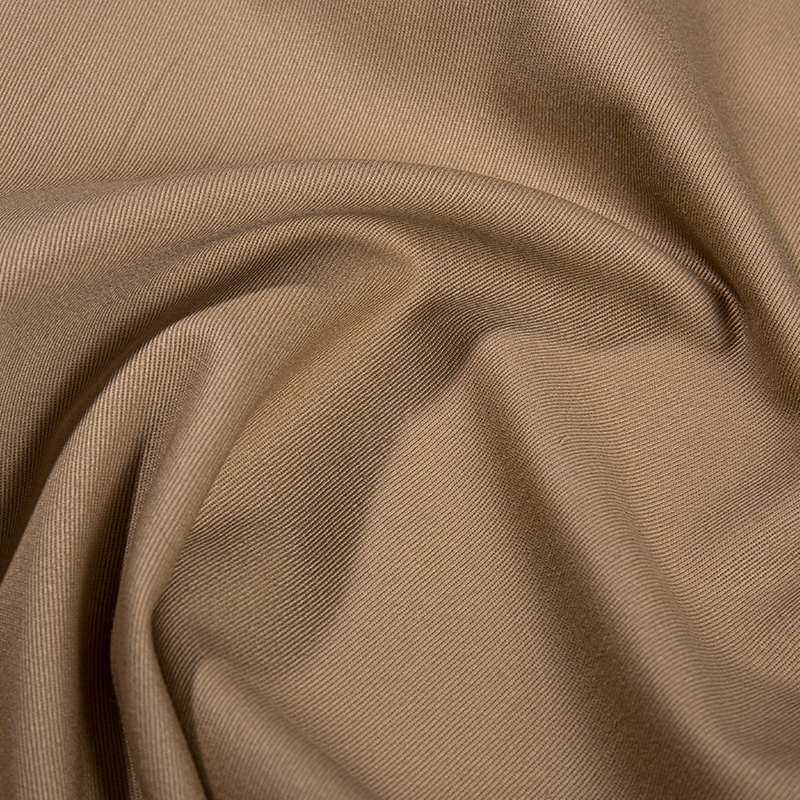
Woven fabrics form through interlacing threads on looms in patterns that create strength and texture. Common constructions include plain weaves for everyday durability and twill weaves for added flexibility. The woven fabric exporter typically works with mills that process cotton, polyester blends, and other fibers into rolls ready for distribution.
These operations rely on consistent thread quality and machine settings to maintain even tension throughout the fabric length. Widths vary to suit different cutting needs, while weights range from light options for apparel to heavier ones for upholstery. This variety allows the woven fabric exporter to address requests from multiple directions without major adjustments to core processes.
Daily Operations in Export Channels
In practice, a woven fabric exporter coordinates between manufacturing sites and logistics teams to keep goods moving on schedule. Orders arrive with specifications on color, finish, and construction details. Teams then select matching inventory or arrange custom runs that align with available loom capacities.
Packaging follows standard practices that protect rolls during transit across long distances. Labels carry clear information on composition and care instructions to help receiving parties integrate the materials smoothly. Tracking systems provide updates at various stages, giving visibility into the journey from factory floor to final arrival.
Applications Across Different Sectors
Woven fabrics reach a wide array of uses that keep exporters engaged year-round. Garment makers turn them into shirts, trousers, and dresses that appear in stores globally. Home textile producers create curtains, table linens, and bedding sets with attractive patterns and solid colors.
Industrial buyers apply these materials in filters, reinforcements, and protective coverings where strength under tension matters. The woven fabric exporter often sees repeat requests from these areas because the fabrics offer reliable performance in their respective roles. Furniture manufacturers incorporate them as covers that combine appearance with wear resistance over time.
Technical Aspects of Fabric Construction
Loom operators set up machines with specific warp and weft densities to achieve desired characteristics. Higher thread counts produce smoother surfaces suitable for printing or dyeing, while lower densities create breathable structures for warmer climates. The woven fabric exporter monitors these parameters to ensure batches meet the agreed standards upon arrival.
Finishing processes add properties like wrinkle resistance or color fastness through controlled applications of treatments. These steps occur after weaving and before final inspection, contributing to the overall quality that buyers expect. Variations in yarn type, from natural to synthetic, further expand the range of available options.
Influence of Material Choices on Outcomes
Cotton-based weaves offer softness and absorbency that appeal in apparel and bedding categories. Blends incorporating polyester add strength and shape retention for items that undergo frequent washing. The woven fabric exporter presents these combinations as part of standard catalogs, allowing customers to select according to their priorities.
Specialty fibers appear in smaller volumes for niche applications that require particular traits like flame retardance or high visibility. These additions diversify the portfolio without disrupting main production lines. Buyers often test small quantities to confirm suitability before committing to larger runs.
In closing, woven fabric exporter activities support a range of needs across the textile landscape through consistent movement of materials from source to destination. The combination of production know-how and logistical coordination helps sustain this flow in response to ongoing market signals.
 Add: Beside National Highway 330, Zhuge Town, Lanxi City, Zhejiang Province, China
 Phone: +86-579-89022355

