 EN
EN English
 中文简体
中文简体 Español
 عربى
عربى Indonesia


Fiber Types Fill Different Order Categories
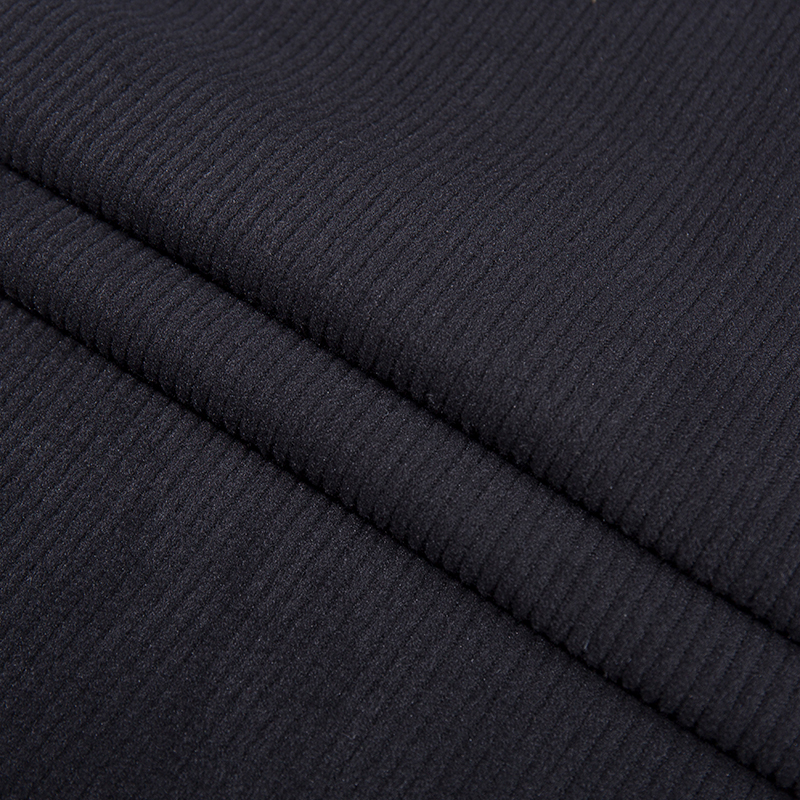
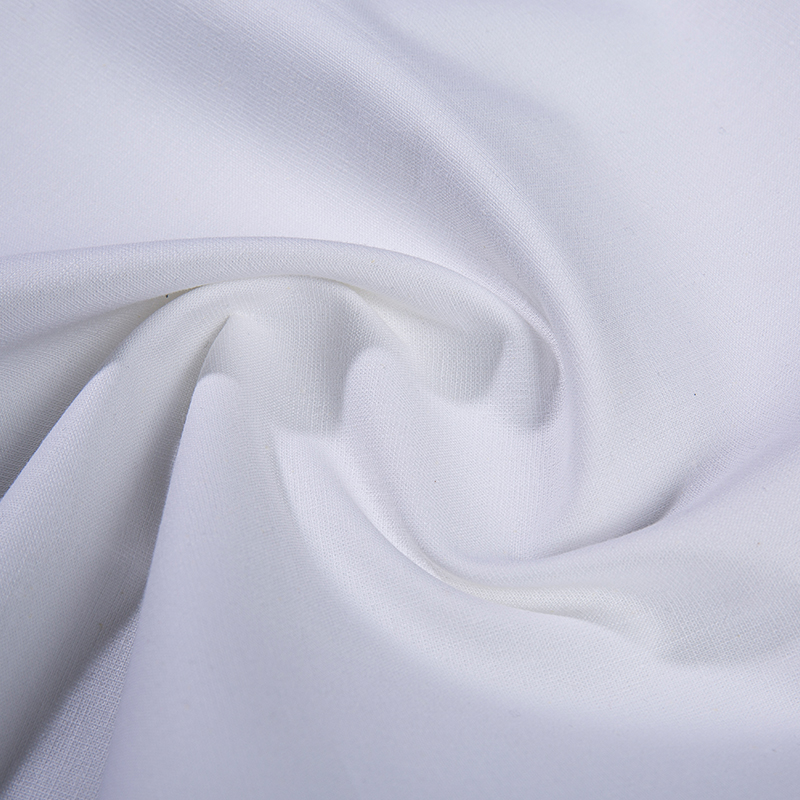
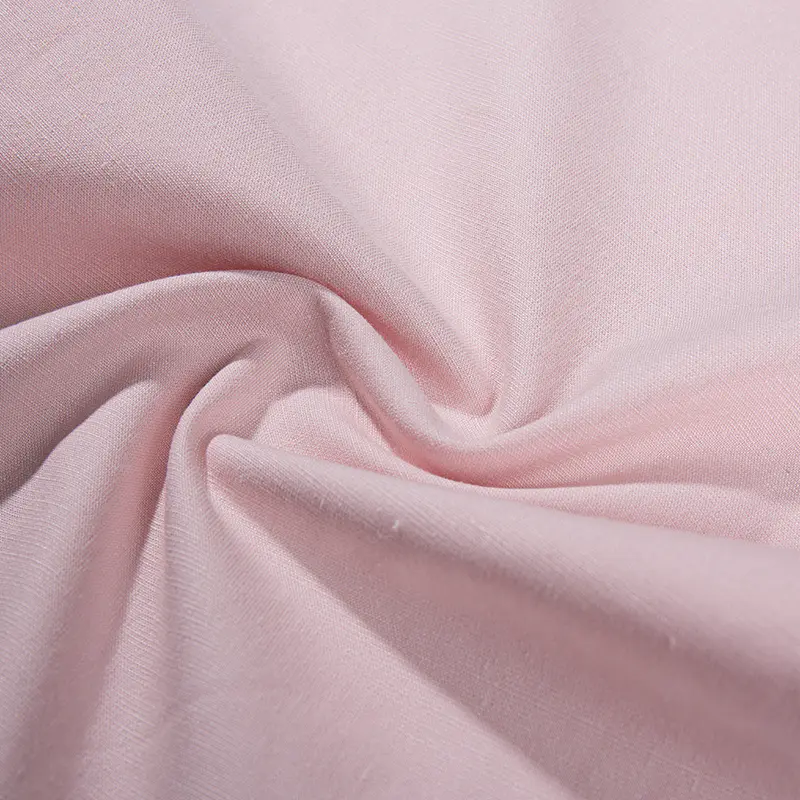
Cotton remains a steady request across apparel and home textile orders, valued for breathability and how well it takes dye. Polyester and polyester blends dominate a separate category entirely — upholstery, outdoor fabric, and anything needing wrinkle resistance or durability under repeated washing tends to lean synthetic rather than natural fiber.
Linen and silk occupy smaller, more specialized order volumes, usually tied to higher-end apparel or décor lines where texture and drape matter more than cost efficiency. A woven fabric exporter handling this full range typically organizes inventory by fiber category first, then by weight and weave pattern within each category, since buyers usually approach a sourcing conversation already knowing which fiber family fits their product.
Weave Density Determines Fabric Behavior
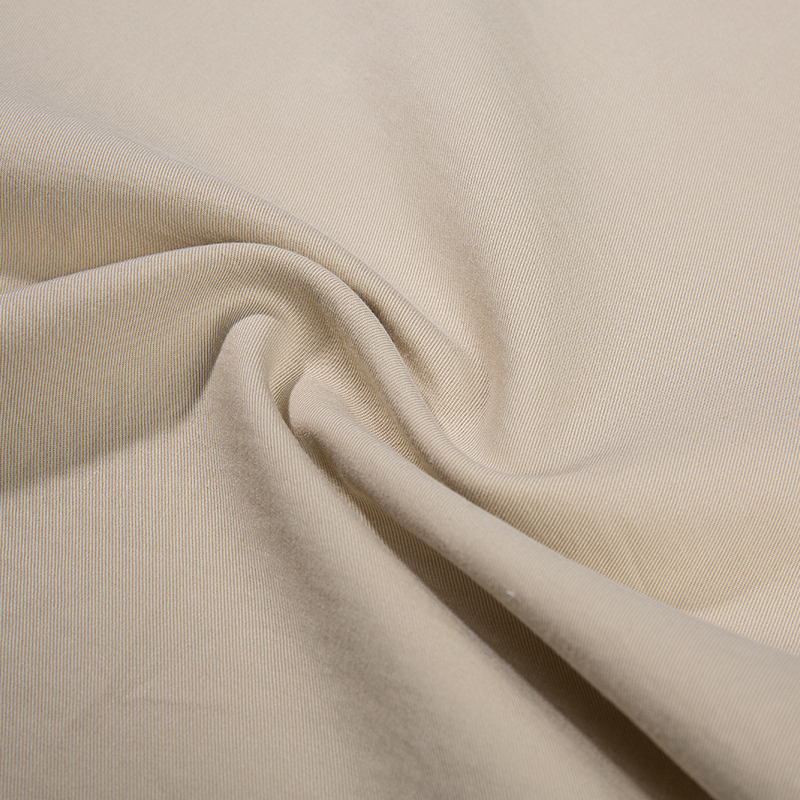
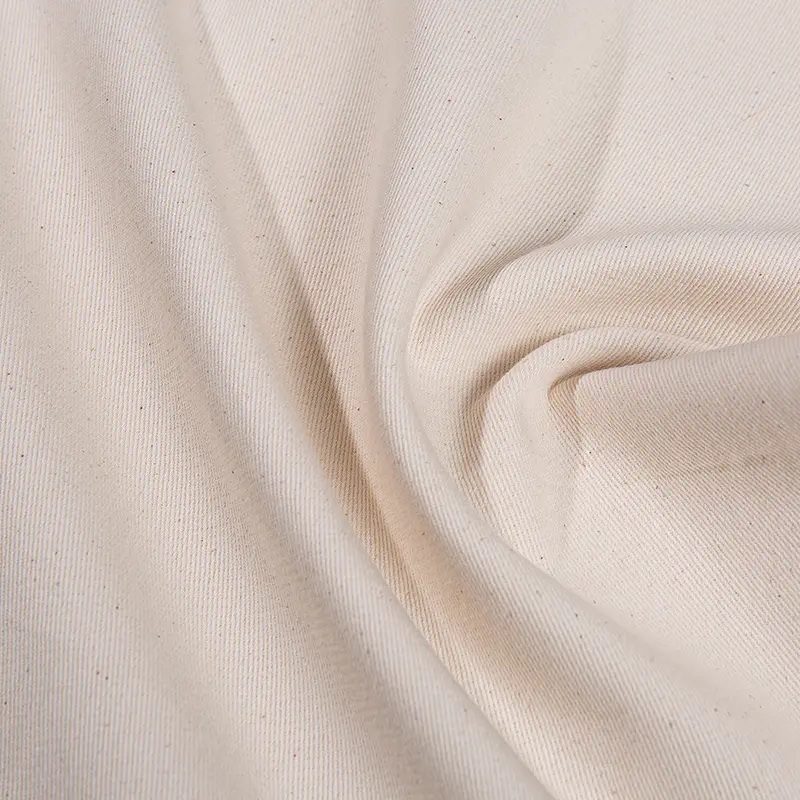
Thread count and weave tightness shape how a fabric drapes, how much light passes through it, and how it holds up to repeated stress. Plain weave construction, the simplest interlacing pattern, shows up constantly across shirting fabric and lighter apparel. Twill weave, recognizable by its diagonal rib pattern, tends toward denim, workwear, and heavier apparel fabric needing more structural resistance to wear.
Satin weave sits at the opposite end, prioritizing surface smoothness and sheen over durability, common in lining fabric and formal apparel. A woven fabric exporter stocking all three weave families needs separate quality control checkpoints for each, since a defect that matters in satin — a snag disrupting surface shine — might barely register as a flaw in heavier twill fabric.
Order Volume And Roll Handling
Export-scale fabric orders get measured and shipped by roll rather than individual cut lengths, and roll width itself becomes a critical spec buyers confirm early, since garment pattern efficiency depends on matching fabric width against cutting layout. Standard widths cluster around common industry measurements, though custom widths do get produced for buyers with specific equipment requirements on their end.
A few order patterns show up repeatedly across export transactions:
- Sample yardage requests, sent before bulk commitment to confirm color and hand-feel
- Full container loads, typical for established buyers running continuous production
- Mixed-fiber shipments, combining several fabric types under one consolidated order
Packing also matters more than people outside the industry might assume. Rolls need moisture-resistant wrapping and stable palletizing to survive ocean freight without edge damage or moisture staining showing up by the time a container reaches its destination port.
Color Matching Across Large Production Runs
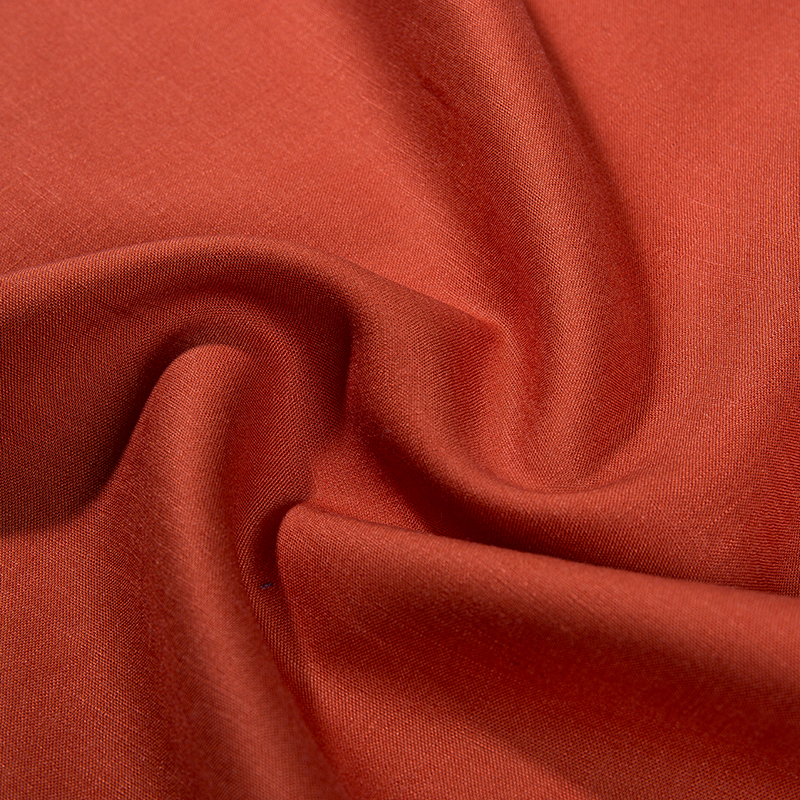
Dye lot consistency causes more sourcing friction than almost anything else in this business. A buyer approving one sample swatch expects every roll in a bulk order to match that exact shade, but dye absorption varies slightly between batches depending on water conditions, yarn moisture content, and machine calibration on a given production day.
A reliable woven fabric exporter manages this through controlled dye lot tracking, testing color consistency at multiple points during a production run rather than checking only the rolls off the line. Buyers ordering across multiple production cycles for an ongoing product line often request retained reference swatches specifically so future reorders can be checked against the original approved color rather than a newer batch that may have drifted slightly over time.
 Add: Beside National Highway 330, Zhuge Town, Lanxi City, Zhejiang Province, China
 Phone: +86-579-89022355

