 EN
 English
 中文简体
 Español
 عربى
 Indonesia


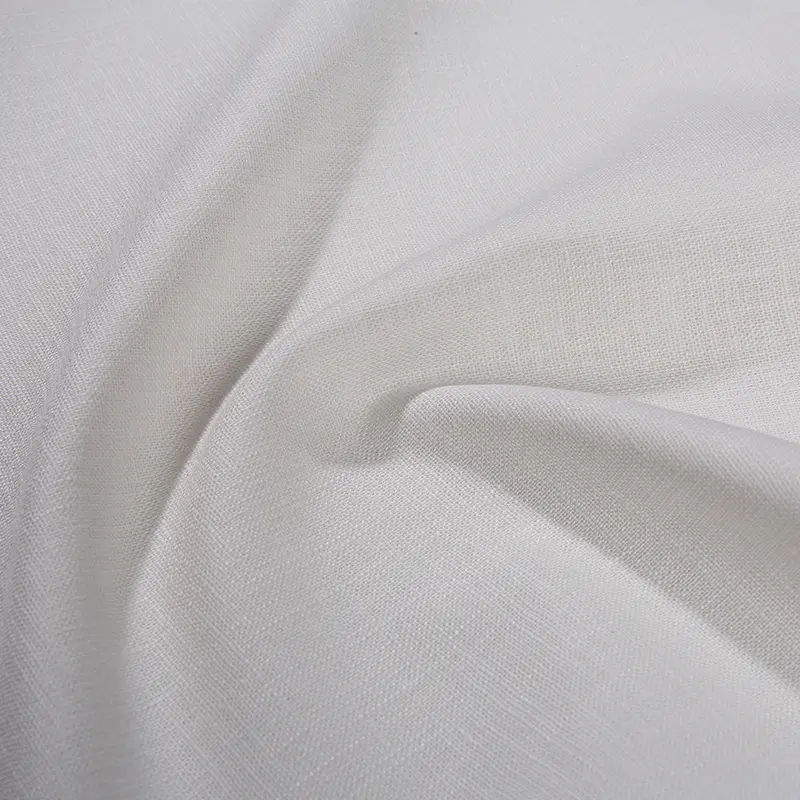
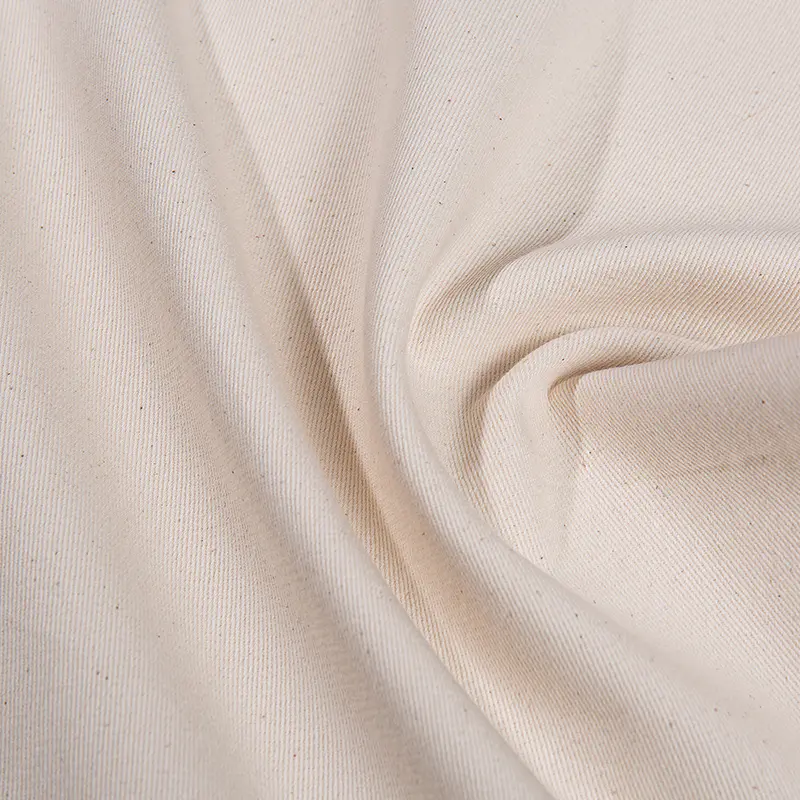
Shirt manufacturers and fabric buyers regularly evaluate weave structures that balance appearance, strength, and ease of processing. Twill for Shirts remains a frequent choice in this evaluation because its diagonal rib pattern delivers both visual interest and practical performance on the production floor.
Understanding the Twill Weave Structure
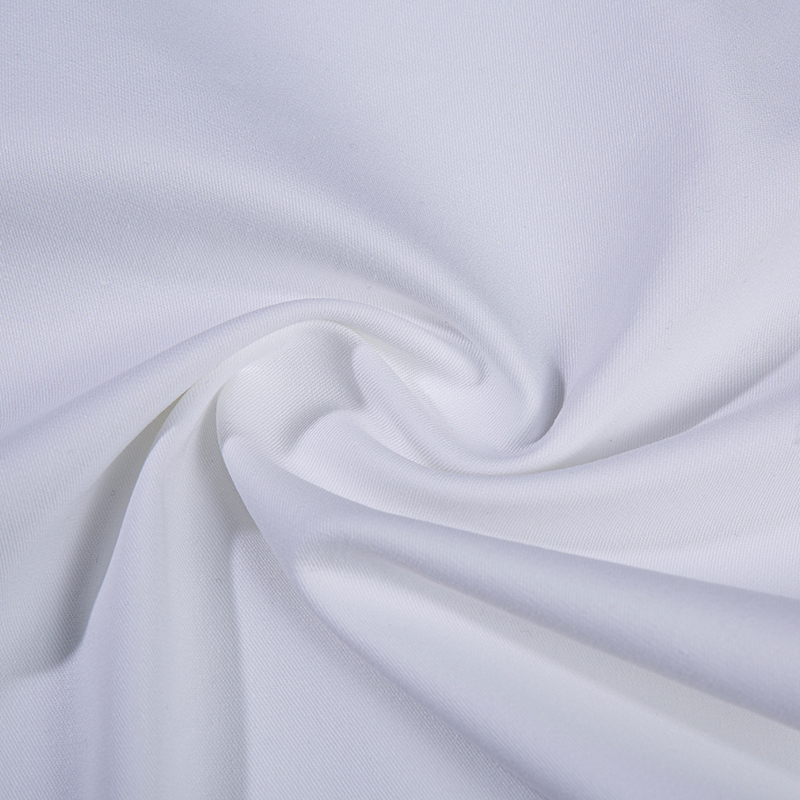
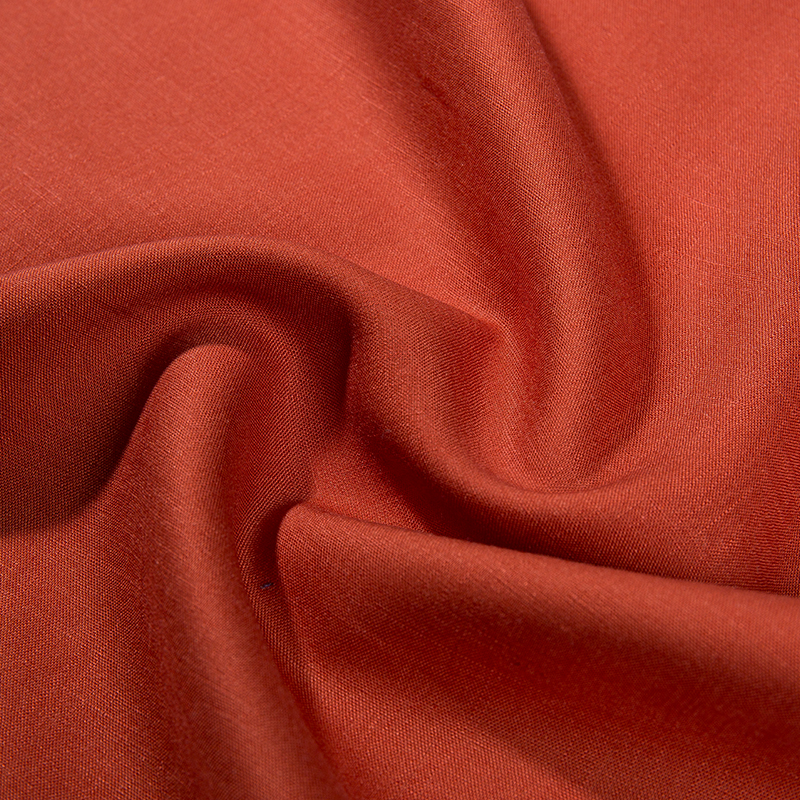
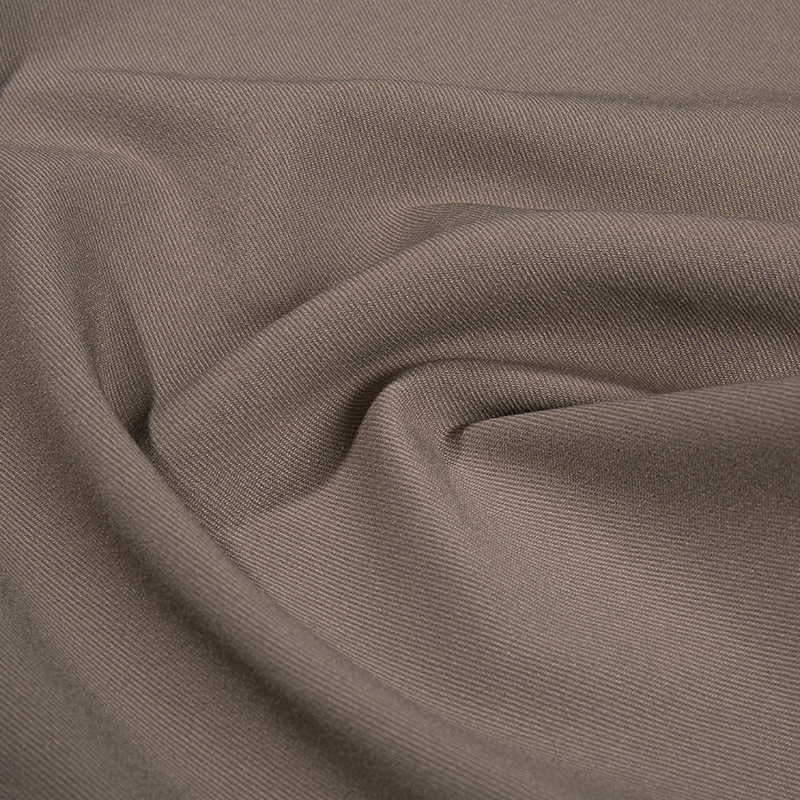
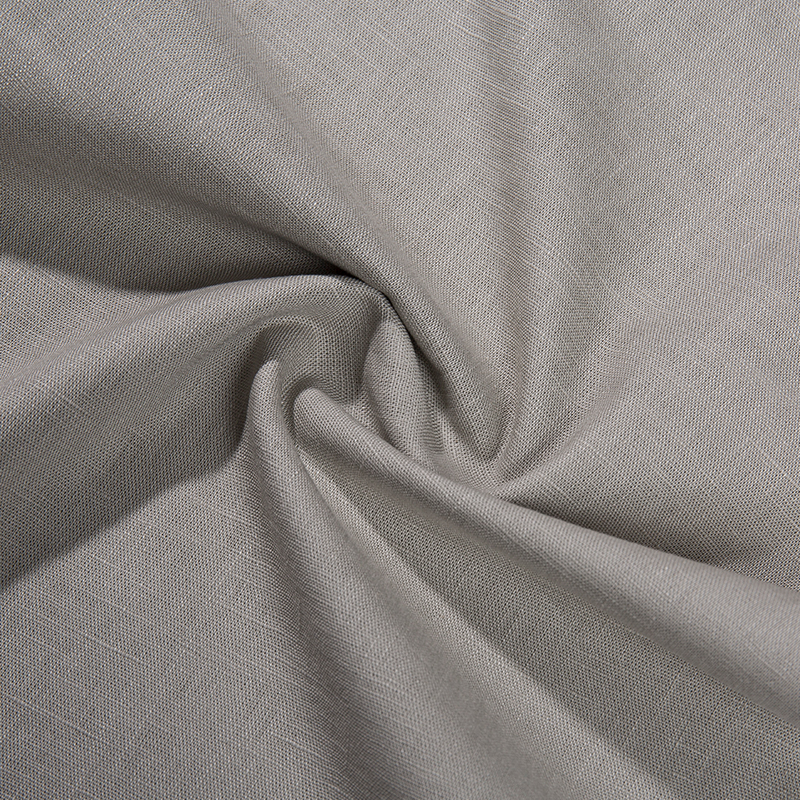
Twill is defined by a repeating diagonal line created when the weft yarn passes over one or more warp yarns and then under one or more in a stepped sequence. This arrangement produces a fabric with a distinct face and back. The diagonal ribs give the surface a subtle texture that differs from plain weaves while still accepting dyes and prints evenly.
In the context of shirt production, Twill for Shirts is typically woven from cotton, cotton-rich blends, or polyester-cotton combinations. Yarn counts and densities are selected to achieve a medium weight that drapes smoothly yet holds its shape after repeated washing and wearing cycles. The resulting fabric offers moderate stretch along the bias, which helps garments conform to body movement without excessive bagging.
Common Applications in Shirt Manufacturing
Men’s dress and casual shirts frequently use Twill for Shirts because the diagonal texture adds depth without overwhelming the overall design. The fabric works equally well for solid colors, yarn-dyed patterns, and printed motifs. Women’s blouse and shirt programs also incorporate the same weave when a slightly more structured hand is desired.
Workwear and uniform producers select Twill for Shirts for its balance of comfort and durability. The fabric tolerates industrial laundering cycles while retaining acceptable appearance after multiple washes. In both formal and functional categories, the weave supports a range of collar constructions, placket styles, and cuff designs.
Yarn Selection and Fabric Construction Details
Yarn quality directly influences the final hand and performance of Twill for Shirts. Combed cotton yarns reduce surface hairiness and improve smoothness, while blended yarns can introduce controlled stretch or improved dimensional stability. Mill technicians adjust loom settings—pick density, warp tension, and reed width—to achieve the target cover factor and diagonal angle.
Finishing processes further refine the fabric. Singeing removes protruding fibers, mercerization can enhance luster and strength in cotton versions, and controlled sanforization limits residual shrinkage. Softeners and easy-care finishes are applied according to the end-use requirements of the shirt program.
Handling on the Cutting and Sewing Floor
In the cutting room, Twill for Shirts lays flat with minimal distortion when proper tension is maintained on the spreading machine. The diagonal pattern requires attention to grain alignment so that left and right panels match correctly. Markers are planned to keep the rib direction consistent across major pattern pieces.
During sewing, the fabric feeds evenly under presser feet and responds well to standard stitch densities. Needle selection focuses on avoiding skipped stitches or surface snags. Seam strength remains reliable at stress points when appropriate thread and stitch types are chosen.
Consistency Across Production Volumes
Large-volume shirt programs benefit from the predictable behavior of Twill for Shirts. Once loom and finishing parameters are established, subsequent lots tend to match previous deliveries in weight, width, and hand. This consistency simplifies inventory planning and reduces the need for frequent adjustments on the production line.
Shade continuity and hand uniformity also support coordinated collections that combine solid and patterned styles within the same fabric family. Buyers can therefore develop multiple shirt silhouettes from a single base cloth while maintaining visual coherence.
 Add: Beside National Highway 330, Zhuge Town, Lanxi City, Zhejiang Province, China
 Phone: +86-579-89022355


