 EN
EN English
 中文简体
中文简体 Español
 عربى
عربى Indonesia


The global textile and manufacturing sectors are undergoing a significant material transformation, driven substantially by the rapid ascent of recycle polyester. This fiber, derived primarily from post-consumer plastic waste such as plastic bottles and discarded textiles, is redefining sustainability benchmarks. As industries and consumers alike prioritize environmental responsibility, recycle polyester has moved from a niche alternative to a mainstream material, offering a practical solution to reduce plastic pollution and resource consumption.
The production process for recycle polyester lots of commonly involves mechanical recycling. Collected plastic bottles, predominantly made from PET, are thoroughly cleaned, sorted, and shredded into flakes. These flakes are then melted and re-polymerized to form new polyester chips, which can subsequently be spun into fresh recycle polyester filament or staple fiber. This closed-loop approach gives a second life to single-use plastics, diverting substantial volumes of waste from landfills and oceans. The quality of modern mechanical recycle polyester is now highly consistent, allowing it to meet the performance requirements for a wide array of applications.
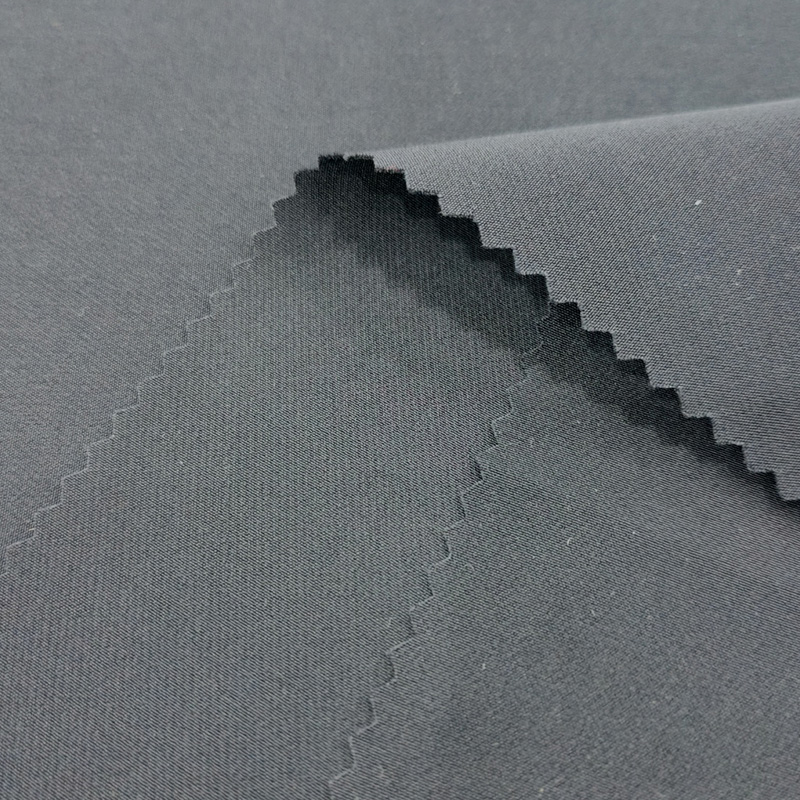
The adoption of recycle polyester is lots of visible in the apparel industry. Major brands across sportswear, fast fashion, and outdoor gear are increasingly integrating recycle polyester into their collections. From fleece jackets and athletic tops to durable bags and footwear, products made with recycle polyester offer the same functional benefits as virgin polyester—including moisture-wicking, durability, and colorfastness—while carrying a significantly lower environmental footprint. This shift is largely consumer-driven, as demand grows for garments that support a more circular economic model without compromising on quality or style.
Beyond fashion, the use of recycle polyester is expanding into diverse sectors. In the home furnishings industry, it is utilized for carpets, upholstery fabrics, and bedding fill. The automotive industry employs recycle polyester in non-woven fabrics for interior panels, trunk liners, and seating components. Even industrial applications, such as geotextiles and certain types of strapping, benefit from the material's strength and sustainability profile. This broad applicability underscores the versatility of recycle polyester and its role in cascading recycled materials through various stages of product life cycles.
The growth of the recycle polyester market is supported by evolving infrastructure and technology. Improvements in collection and sorting systems for plastic waste are enhancing the quality and availability of feedstock. Meanwhile, advancements in chemical recycling technologies present a complementary pathway. These methods can break down mixed or colored polyester textiles back to their base monomers, potentially allowing for infinite recycling without the quality degradation sometimes associated with mechanical processes. This innovation promises to further elevate the potential of recycle polyester.
Despite its progress, the recycle polyester ecosystem faces considerations. Ensuring a transparent and verified supply chain is crucial to substantiate recycled content claims. The energy input for the recycling process and the management of microfibers released during washing are active areas of research and development. The industry continues to work on solutions that improve the benefits of recycle polyester while addressing its full lifecycle impact.
Recycle polyester is poised for continued expansion. Regulatory frameworks encouraging recycled content, combined with corporate sustainability commitments, are creating strong market pull. As technologies mature and circular systems become more efficient, recycle polyester will solidify its position not merely as an alternative, but as a preferred material choice.
 Add: Beside National Highway 330, Zhuge Town, Lanxi City, Zhejiang Province, China
 Phone: +86-579-89022355

