 EN
EN English
 中文简体
中文简体 Español
 عربى
عربى Indonesia


The global push towards circular economies is bringing renewed focus and innovation to the field of recycle nylon. Once primarily a niche concern, the production and application of recycle nylon are experiencing significant growth, driven by environmental awareness and evolving regulatory pressures across multiple industries. This material, derived from post-industrial and post-consumer waste such as discarded fishing nets, fabric scraps, and industrial plastic, is steadily transitioning from an alternative to a mainstream choice for forward-thinking manufacturers.
The process of creating high-quality recycle nylon is a complex technical endeavor. Advanced sorting and purification systems are essential to handle diverse waste streams. Through depolymerization or mechanical recycling methods, nylon waste is broken down and reconstituted into new pellets or fibers. The resulting recycle nylon aims to match the durability, elasticity, and performance characteristics of its virgin counterpart, a crucial factor for its adoption in demanding applications. Continuous improvements in this processing technology are enhancing the quality and consistency of recycle nylon, broadening its potential uses.
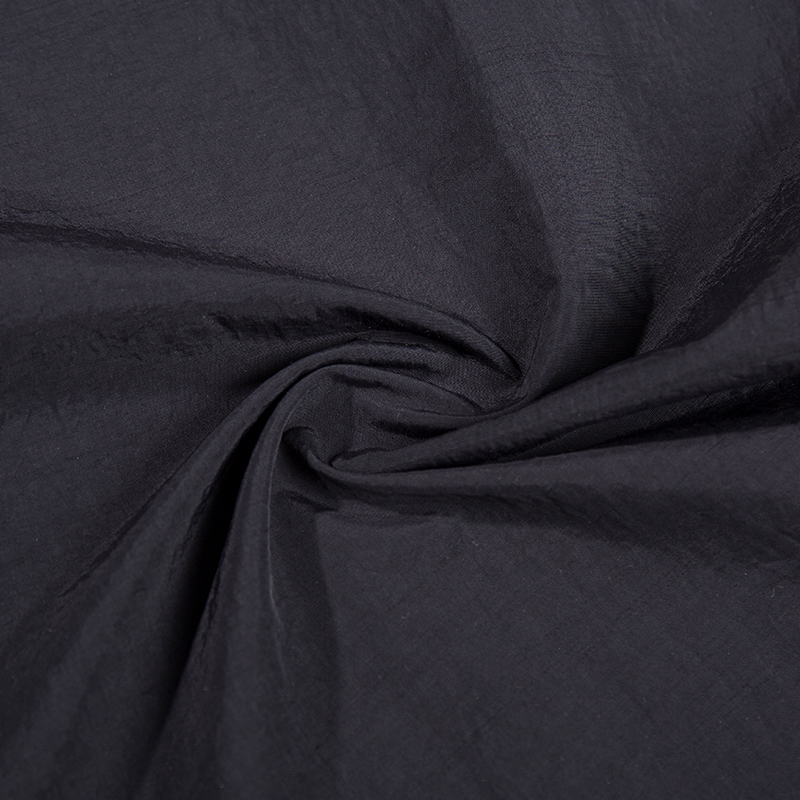
The textile and fashion industries are currently the many visible adopters of recycle nylon. A growing number of brands are integrating this material into collections, using it to produce everything from outdoor apparel and swimwear to durable bags and accessories. The use of recycle nylon allows these companies to reduce their reliance on petroleum-based virgin nylon and lower the carbon footprint associated with their products. For consumers, items made from recycle nylon offer a tangible way to participate in sustainable consumption without necessarily compromising on product longevity or functionality.
Beyond fashion, the application of recycle nylon is expanding into other sectors. The automotive industry, for instance, is exploring its use in interior components like carpeting and seat fabrics. In the consumer goods sector, recycle nylon is found in items such as straps, brushes, and various molded parts. The material's inherent strength and resilience make it suitable for products that require a reliable performance profile, proving that sustainability and functionality can coexist. This diversification is vital for building a stable and scalable market for recycle nylon, ensuring demand pulls the supply chain forward.
However, the journey for recycle nylon is not without challenges. Establishing efficient and widespread collection systems for nylon waste remains a logistical hurdle. Furthermore, achieving true circularity requires designing products with end-of-life recovery in mind, a practice still gaining traction. The economic equation can also be delicate, as the cost of collecting, sorting, and processing waste can sometimes be higher than producing virgin material, though this gap is narrowing with scale and innovation.
The trajectory for recycle nylon is pointed toward greater integration and sophistication. Collaboration across the value chain—from waste collectors to chemical processors to final brands—is intensifying to improve system efficiency. Research is ongoing to enhance recycling yields and to develop even cleaner production methods. As environmental regulations become more stringent and consumer preference for sustainable options solidifies, the demand for recycle nylon is expected to rise correspondingly. Its role is increasingly viewed not just as a tool for waste reduction, but as a fundamental component in building more responsible material ecosystems for the future. The evolution of recycle nylon stands as a significant indicator of how industrial materials are adapting to the principles of sustainability and circular design.
 Add: Beside National Highway 330, Zhuge Town, Lanxi City, Zhejiang Province, China
 Phone: +86-579-89022355

