 EN
EN English
 中文简体
中文简体 Español
 عربى
عربى Indonesia


The global materials landscape is undergoing a significant transformation, with recycle polyester emerging as a fundamental component in the shift towards more sustainable industrial practices. This material, derived primarily from post-consumer plastic bottles and post-industrial polyester waste, is moving beyond its niche status to achieve widespread adoption across multiple sectors. The growing demand for recycle polyester is driven by a combination of regulatory pressures, corporate sustainability commitments, and evolving consumer preferences for environmentally conscious products.
The production process for recycle polyester represents a key innovation in waste management. Through a series of sorting, cleaning, and reprocessing steps, discarded plastics are transformed into PET flakes, which are then polymerized into new polyester fibers or resins. The quality of modern recycle polyester now closely matches that of virgin polyester, offering comparable strength, durability, and versatility. This technological advancement has been crucial in overcoming earlier performance limitations, enabling recycle polyester to meet the technical specifications required for a broad range of applications.
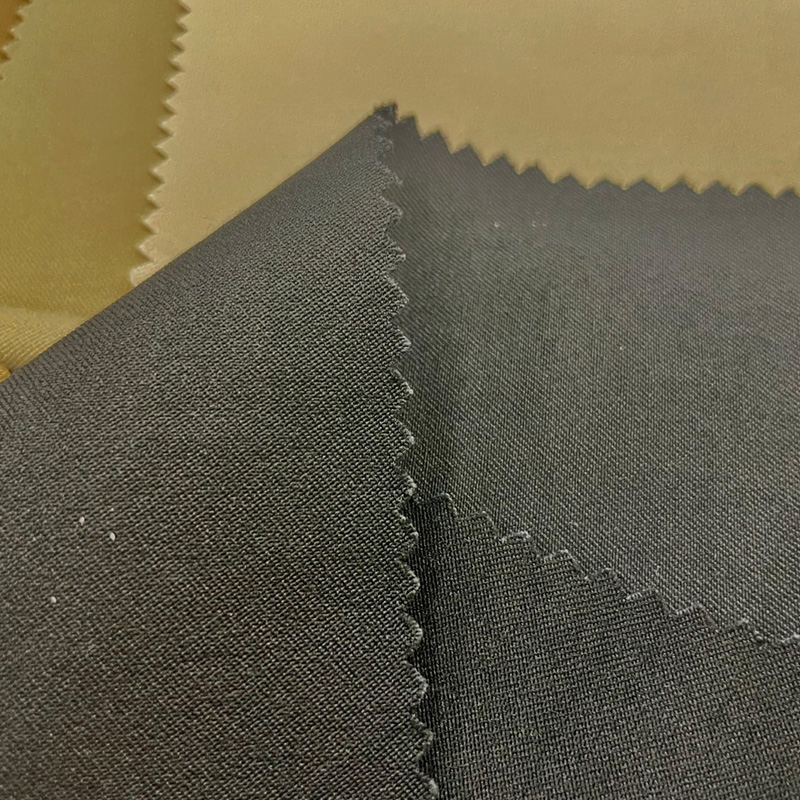
The textile and apparel industry remains the largest consumer of recycle polyester. A substantial and growing number of fashion brands and outdoor clothing manufacturers are integrating this material into their collections. Recycle polyester is now commonly found in products ranging from everyday t-shirts and fleece garments to performance sportswear and durable luggage. Its use allows brands to reduce dependency on fossil-fuel-derived virgin polyester and decrease the overall carbon footprint of their products. For many companies, incorporating recycle polyester has become a standard part of sustainability reporting and product marketing.
Beyond fashion, the application of recycle polyester continues to expand into other important industries. In the automotive sector, it is increasingly used for interior fabrics, seat upholstery, and trunk liners. The consumer goods sector utilizes recycle polyester in durable items such as backpacks, shoes, and home textiles. Even in construction, non-woven recycle polyester finds application in insulation and geotextiles. This diversification demonstrates the material's functional reliability and helps build a more robust and stable market for recycled content, moving it from a specialty offering to a commonplace industrial input.
The development of the recycle polyester market also faces ongoing considerations. Establishing consistent and high-volume collection systems for plastic waste remains a critical need in many regions. The industry continues to work on improving the efficiency of sorting technologies to ensure a purer feedstock. There is also a growing emphasis on developing advanced recycling methods that can handle colored or blended fabrics, which are currently more challenging to process. These efforts are aimed at increasing the overall recycling rates for polyester and moving closer to a truly circular model for synthetic textiles.
The future for recycle polyester appears integrated into the long-term strategy of manufacturing sectors worldwide. Investment in recycling infrastructure and technology is expected to continue, potentially lowering costs and improving material quality further. Collaborative initiatives across the value chain are focusing on standardizing definitions, improving traceability, and promoting designs that are easier to recycle. As both policy frameworks and market demand continue to favor sustainable materials, the position of recycle polyester is likely to strengthen. Its journey from waste to valuable resource underscores a broader shift in how industries view and utilize materials, positioning recycle polyester not as a temporary trend, but as a permanent and growing segment of the global economy.



 Add: Beside National Highway 330, Zhuge Town, Lanxi City, Zhejiang Province, China
 Phone: +86-579-89022355

